Indonesia’s Culinary Soul: A Journey Through the Archipelago’s Most Captivating Regional Feasts
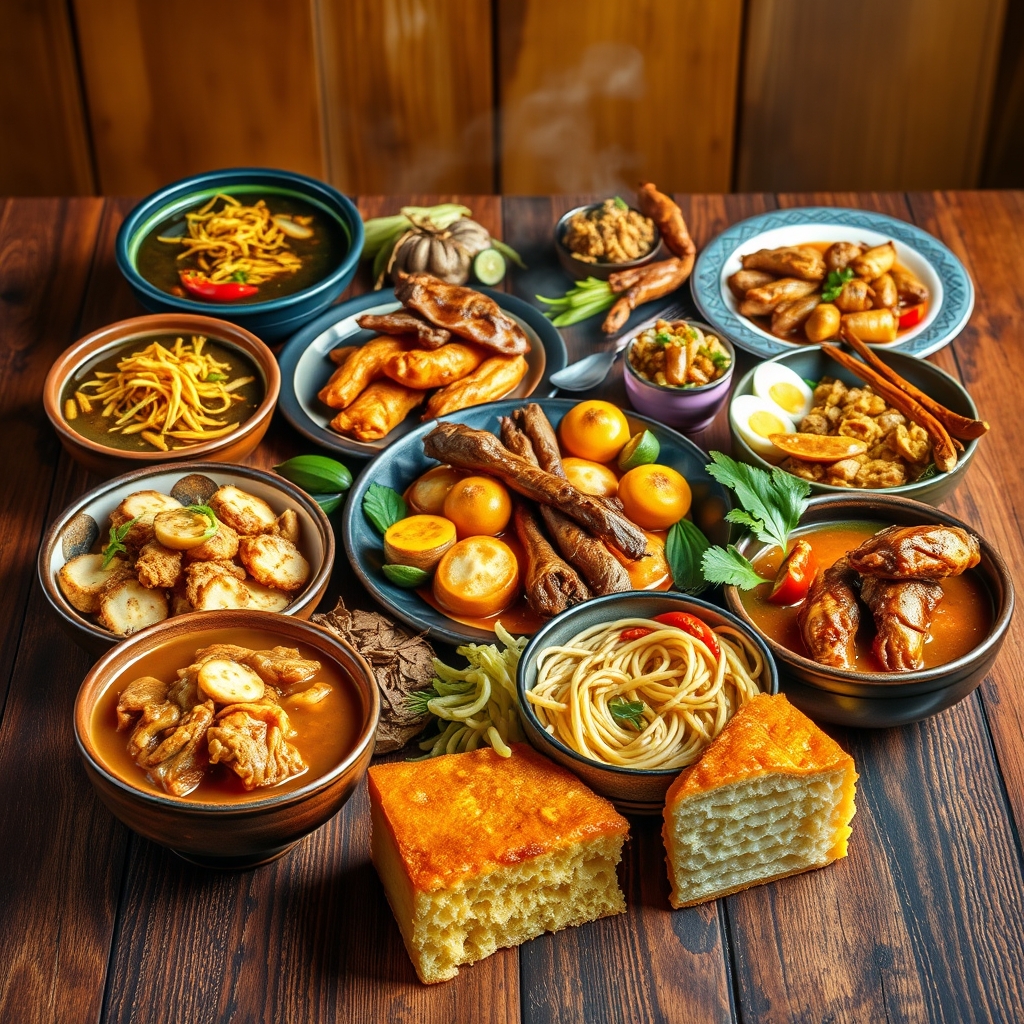
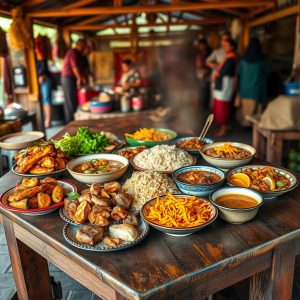
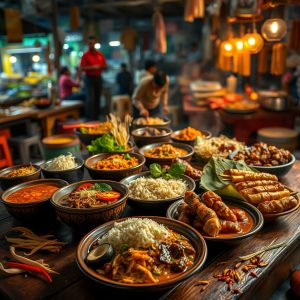
Indonesia is a country where every meal is a celebration, a symphony of flavors that tells the story of its people, their history, and the land they call home. Beyond the well-trodden path of satay and nasi goreng lies a world of regional dishes, each with its own personality, secrets, and the power to transport you to a different corner of the archipelago. These are not just meals; they are experiences, woven into the fabric of daily life, festivals, and family gatherings. To truly understand Indonesia, one must embark on a culinary journey that traverses its islands, uncovering the dishes that define its soul.
The Fiery Allure of Aceh’s Ayam Tangkap
In the northernmost tip of Sumatra, where the Indian Ocean crashes against rugged shores, Aceh’s culinary traditions are as bold as its landscapes. Ayam Tangkap, or “captured chicken,” is a dish that embodies the region’s love for heat and freshness. Unlike typical fried chicken, Ayam Tangkap is a riot of flavors—crispy, spiced chicken pieces are stir-fried with an abundance of fresh herbs like lemongrass, kaffir lime leaves, and bird’s eye chilies. The dish is finished with a generous sprinkle of fried shallots and served with steamed rice or ketupat. What makes Ayam Tangkap unforgettable is its texture; the herbs are not just garnishes but integral to the dish, adding a fragrant crunch that contrasts beautifully with the tender chicken. It’s a dish that demands to be eaten with your hands, a messy, joyful experience that connects you to Aceh’s vibrant culture.
The Sweet and Savory Magic of Gudeg Yu Djum
Traveling to the heart of Java, the ancient city of Yogyakarta offers a dish that is as much a part of its identity as the Sultan’s palace. Gudeg Yu Djum is a slow-cooked jackfruit stew that balances sweet, savory, and spicy notes in perfect harmony. The jackfruit is simmered for hours in coconut milk, palm sugar, and a blend of spices until it becomes tender and caramelized. The dish is traditionally served with hard-boiled eggs, crispy fried chicken, and a side of sambal goreng krecek, a spicy cow skin stew. Gudeg is more than just food; it’s a labor of love, often prepared overnight for morning markets. The name “Yu Djum” refers to the legendary woman who popularized the dish, and her legacy lives on in every bowl. Eating Gudeg is like tasting history—rich, complex, and deeply comforting.
The Dark and Mysterious Allure of Rawon Setan
In the bustling streets of Surabaya, East Java, a dish known as Rawon Setan holds a special place in the hearts of locals. The name, which translates to “Devil’s Rawon,” hints at its bold, almost sinful flavor. Rawon is a beef soup distinguished by its deep, dark color, derived from the use of keluak nuts, a rare and prized ingredient that imparts an earthy, slightly bitter taste. The soup is rich with spices like turmeric, galangal, and lemongrass, and is often served with bean sprouts, fried shallots, and a side of rice. What sets Rawon Setan apart is its late-night availability—it’s a dish for the night owls, the adventurous eaters who seek out its intense flavors under the cover of darkness. The legend goes that the dish was so addictive, it was as if the devil himself had a hand in its creation.
The Unique Charm of Sate Klatak Bantul
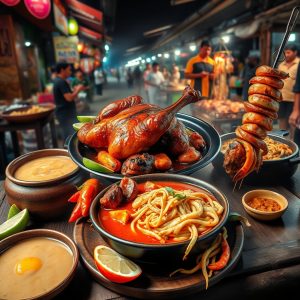
While satay is a staple across Indonesia, Sate Klatak from Bantul, Yogyakarta, stands out for its simplicity and ingenuity. Unlike traditional satay, which is grilled over charcoal, Sate Klatak is cooked over an open flame using iron skewers, which conduct heat directly into the meat, resulting in a juicy, slightly charred texture. The skewers are made from bicycle spokes, a clever adaptation that gives the dish its name—”klatak” refers to the sound the skewers make when they hit the grill. The meat, usually goat or lamb, is marinated in a simple blend of salt, turmeric, and garlic, allowing the natural flavors to shine. Served with a side of gule (a light curry) or sambal, Sate Klatak is a testament to the beauty of minimalism in Indonesian cuisine.
The Coastal Delights of Mie Aceh Kepiting
Back in Aceh, the coastal city of Banda Aceh offers a dish that celebrates the bounty of the sea. Mie Aceh Kepiting is a noodle dish that combines thick, chewy noodles with succulent crab meat, all bathed in a rich, spiced curry sauce. The dish is a fusion of Chinese and Acehnese influences, with the noodles reminiscent of Chinese stir-fried noodles, while the curry sauce is unmistakably Acehnese—thick, aromatic, and packed with flavors like turmeric, coriander, and chili. The crab is the star of the show, its sweet, tender meat soaking up the sauce and adding a luxurious touch to the dish. Mie Aceh Kepiting is often served with a side of emping (crispy melinjo crackers) and a wedge of lime, adding a refreshing contrast to the rich, spicy noodles.
The Sweet Indulgence of Bika Ambon Medan
No culinary journey through Indonesia would be complete without a taste of its sweet treats. In the bustling city of Medan, North Sumatra, Bika Ambon is a dessert that has captured the hearts of locals and visitors alike. This honeycomb cake is made from a batter of tapioca flour, eggs, coconut milk, and sugar, which is then baked until it develops a spongy, golden-brown texture with a distinctive porous interior. The cake is often flavored with pandan or banana, adding a fragrant, tropical note to its sweetness. Bika Ambon is traditionally served warm, its soft, chewy texture melting in your mouth with every bite. It’s a dessert that embodies the warmth and hospitality of Medan, a sweet ending to any meal.
Indonesia’s regional dishes are more than just food; they are a gateway to understanding the country’s diverse cultures, histories, and traditions. Each dish tells a story, whether it’s the fiery passion of Aceh’s Ayam Tangkap, the slow-cooked patience of Yogyakarta’s Gudeg, or the bold, mysterious flavors of Surabaya’s Rawon Setan. To taste these dishes is to embark on a journey through the archipelago, one bite at a time. The flavors linger long after the meal is over, a reminder of the rich tapestry of life that makes Indonesia so unforgettable.