Bakso Sapi Urat: Indonesia’s Beloved Meatball Soup Recipe
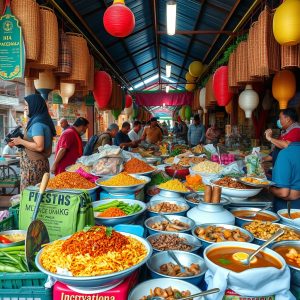
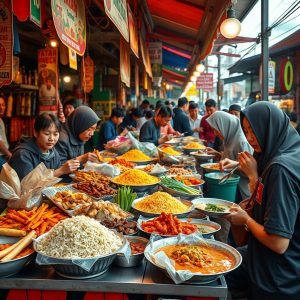
Few dishes capture the heart and soul of Indonesian street food quite like Bakso Sapi Urat. This comforting meatball soup, enriched with tender beef tendons, is a staple in warungs, night markets, and family kitchens across the archipelago. Its savory broth, chewy texture, and aromatic spices make it a beloved dish that transcends regional boundaries. But what exactly sets Bakso Sapi Urat apart from other meatball soups, and how can you recreate its magic at home?
The Origins of Bakso: A Dish with Chinese Roots
Bakso traces its origins to Chinese immigrants who settled in Indonesia centuries ago. The word “bakso” itself is derived from the Hokkien term “bak-so,” where “bak” means meat and “so” refers to a processed or minced form. Over time, the dish evolved to suit local tastes, incorporating indigenous spices and cooking techniques. While traditional Chinese meatballs were often made from pork or fish, Indonesian bakso predominantly uses beef, reflecting the country’s dietary preferences.
The addition of urat—beef tendons—is a distinctly Indonesian touch. This ingredient not only adds a unique chewy texture but also enhances the soup’s depth of flavor. The tendons, when simmered slowly, become melt-in-your-mouth tender, creating a delightful contrast with the softer meatballs. This innovation is a testament to Indonesia’s culinary creativity, where foreign influences are seamlessly blended with local ingredients.
What Makes Bakso Sapi Urat Special?
At its core, Bakso Sapi Urat is a celebration of texture and balance. The meatballs, typically made from finely ground beef, are springy yet tender, thanks to the addition of tapioca starch. The beef tendons, on the other hand, provide a satisfying chew that elevates the dish beyond ordinary meatball soup. The broth, often clear yet rich, is infused with garlic, shallots, and white pepper, creating a fragrant base that ties everything together.
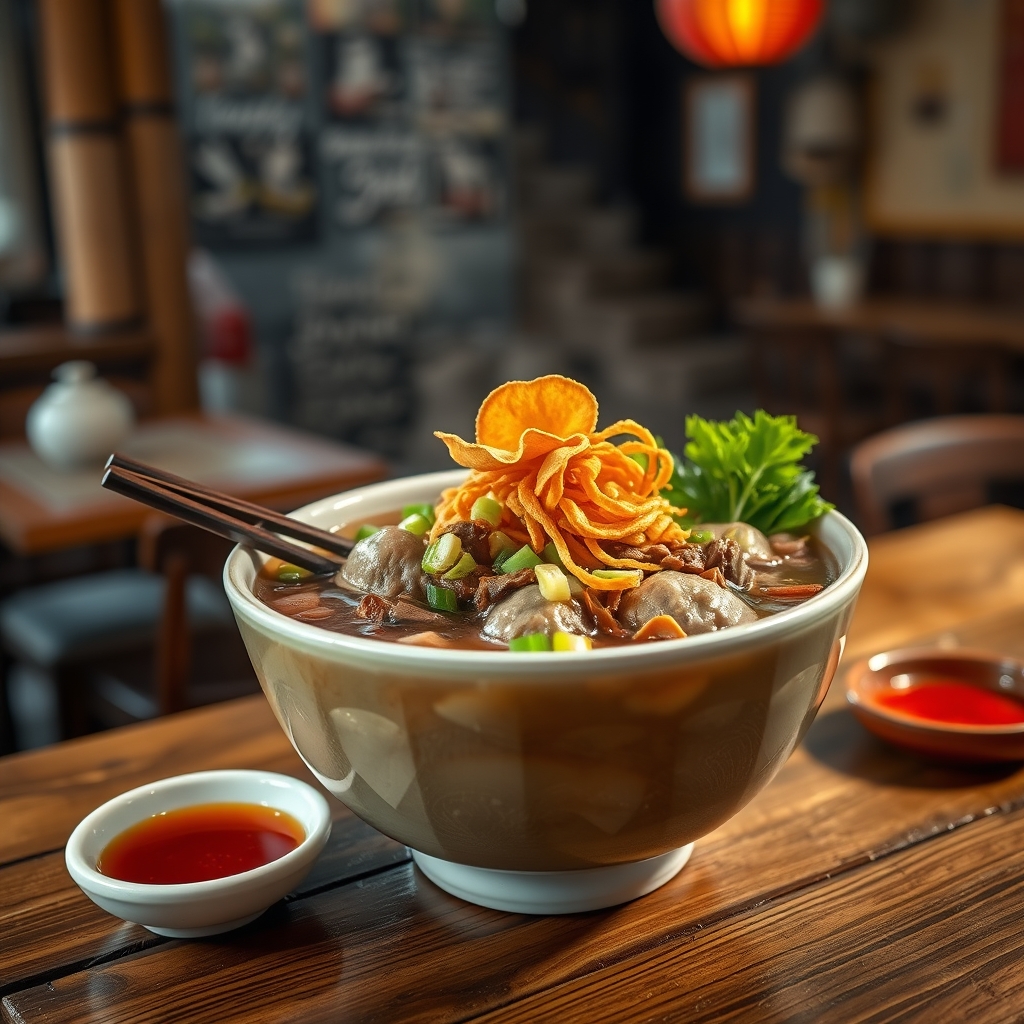
Another key element is the accompaniments. A bowl of bakso is rarely served plain. Instead, it comes with an array of toppings such as fried shallots, celery, green onions, and crispy wonton crackers. Some versions even include noodles, tofu, or hard-boiled eggs, making each bowl a customizable feast. The interplay of these ingredients transforms Bakso Sapi Urat from a simple soup into a symphony of flavors and textures.
The Role of Beef Tendons
Beef tendons are the star of this dish, and their quality can make or break the final result. High-quality tendons should be fresh, with a firm texture and minimal odor. Before cooking, they must be thoroughly cleaned and blanched to remove any impurities. The tendons are then simmered for hours until they become tender, absorbing the flavors of the broth while retaining their signature chew.
For those new to cooking with tendons, patience is key. Rushing the process can result in tough, rubbery tendons that detract from the dish. Instead, allow them to simmer gently, checking for doneness by piercing them with a fork—if they offer little resistance, they’re ready. The reward is a rich, gelatinous broth and tendons that practically dissolve in your mouth.
Crafting the Perfect Meatballs
The meatballs in Bakso Sapi Urat are not your average meatballs. They require a specific technique to achieve the right texture—springy yet tender, with a slight bounce when bitten. The secret lies in the ratio of meat to starch and the method of mixing. Ground beef is combined with tapioca starch, garlic, shallots, salt, and a touch of baking powder to create a light, airy mixture. The key is to mix the ingredients gently, avoiding overworking the meat, which can result in dense, tough meatballs.
Once the mixture is ready, it’s shaped into small, uniform balls and poached in simmering water until they float to the surface. This step ensures the meatballs are cooked through while retaining their delicate texture. Some recipes call for a second poaching in the broth to infuse the meatballs with additional flavor, but this is optional and depends on personal preference.
A Traditional Bakso Sapi Urat Recipe
Now that you understand the essence of Bakso Sapi Urat, it’s time to try making it at home. Below is a traditional recipe that stays true to the dish’s roots while offering tips for achieving the best results.
Ingredients
- 500g ground beef (preferably chuck or sirloin)
- 200g beef tendons, cleaned and blanched
- 100g tapioca starch
- 4 cloves garlic, minced
- 2 shallots, minced
- 1 tsp baking powder
- 1 tsp salt (adjust to taste)
- 1/2 tsp white pepper
- 1.5 liters beef or chicken broth
- 2 tbsp soy sauce
- 1 tbsp oyster sauce
- 1 stalk celery, chopped
- 2 green onions, sliced
- Fried shallots, for garnish
- Crispy wonton crackers, for serving
Instructions
1. Prepare the Beef Tendons: Start by cleaning the beef tendons thoroughly under running water. Blanch them in boiling water for 5 minutes to remove any impurities, then drain and rinse. In a pot, cover the tendons with water and simmer for 2-3 hours until tender. Once done, remove the tendons, let them cool, and slice them into bite-sized pieces. Reserve the cooking liquid for the broth.
2. Make the Meatballs: In a bowl, combine the ground beef, tapioca starch, minced garlic, shallots, baking powder, salt, and white pepper. Mix gently until just combined—avoid overmixing. Shape the mixture into small, uniform balls, about the size of a ping-pong ball.
3. Poach the Meatballs: Bring a pot of water to a gentle simmer and carefully drop in the meatballs. Poach them for 8-10 minutes, or until they float to the surface. Remove the meatballs with a slotted spoon and set aside.
4. Prepare the Broth: In a large pot, combine the beef or chicken broth with the reserved tendon cooking liquid. Add soy sauce, oyster sauce, and white pepper. Bring to a simmer and let it cook for 10 minutes to allow the flavors to meld. Taste and adjust the seasoning if needed.
5. Assemble the Bakso: To serve, place a few meatballs and sliced beef tendons in a bowl. Ladle the hot broth over them, ensuring the ingredients are fully submerged. Garnish with chopped celery, green onions, fried shallots, and crispy wonton crackers. For an extra touch, add a squeeze of lime or a dash of chili sauce if you prefer a bit of heat.
Tips for Success
Achieving the perfect Bakso Sapi Urat requires attention to detail, but the effort is well worth it. Here are a few tips to help you along the way:
- Use High-Quality Beef: Opt for fresh, high-quality ground beef with a good fat content. This ensures the meatballs are flavorful and tender.
- Don’t Skip the Blanching: Blanching the beef tendons is crucial for removing impurities and ensuring a clean, flavorful broth.
- Simmer Gently: Whether you’re cooking the tendons or poaching the meatballs, keep the heat low to prevent toughness.
- Experiment with Toppings: While traditional toppings are delicious, don’t be afraid to get creative. Try adding noodles, tofu, or even a soft-boiled egg for extra heartiness.
Every bowl of Bakso Sapi Urat tells a story—of tradition, innovation, and the simple joy of sharing a meal with loved ones. Whether you enjoy it from a bustling street vendor or make it in your own kitchen, this dish is a reminder of how food can connect us to our roots and to each other. The next time you savor a spoonful of its rich broth or bite into a tender meatball, take a moment to appreciate the craftsmanship and history that went into creating this Indonesian classic.