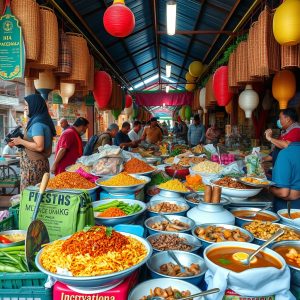
A Culinary Journey Through Indonesia: 5 Must-Try Recipes for Every Home Cook

Indonesian cuisine is a vibrant tapestry of flavors, textures, and aromas, shaped by centuries of cultural exchange and regional diversity. From the fiery spices of Sumatra to the sweet and savory dishes of Java, each recipe tells a story of tradition and innovation. Whether you’re a seasoned cook or a curious beginner, mastering a few iconic dishes can bring the warmth and richness of Indonesia’s culinary heritage into your kitchen. Here are five must-try recipes that showcase the best of Indonesian home cooking.
The Heart of the Archipelago: Nasi Goreng
No exploration of Indonesian cuisine is complete without Nasi Goreng, the beloved fried rice that has won hearts worldwide. Unlike its Chinese or Thai counterparts, Indonesian Nasi Goreng is distinguished by its bold use of kecap manis (sweet soy sauce) and a medley of aromatic spices like shallots, garlic, and tamarind. The dish often features a fried egg on top, adding a rich, creamy contrast to the savory rice.
To make authentic Nasi Goreng, start by sautéing finely chopped shallots, garlic, and chili in oil until fragrant. Add day-old rice (the drier, the better) and stir-fry until the grains are well-coated with the spices. A splash of kecap manis and a dash of salt bring the dish together, while a squeeze of lime juice adds a refreshing tang. For an extra layer of flavor, top it with krupuk (shrimp crackers) or a side of acar (pickled vegetables).
Pro Tip: The Secret to Perfect Nasi Goreng
The key to great Nasi Goreng lies in the rice. Using leftover rice ensures the grains stay separate and absorb the flavors without turning mushy. If you’re in a pinch, spread freshly cooked rice on a tray and let it cool for 30 minutes before frying.
A Skewer of Delight: Sate Ayam
Sate Ayam, or Indonesian chicken satay, is a street food staple that’s as delicious as it is versatile. Tender pieces of chicken are marinated in a blend of turmeric, coriander, and lemongrass, then threaded onto skewers and grilled to perfection. The real magic, however, lies in the peanut sauce—a creamy, nutty concoction that balances the smoky char of the meat.
To prepare the marinade, blend shallots, garlic, turmeric, coriander, and a touch of palm sugar into a smooth paste. Coat the chicken pieces in the marinade and let them sit for at least an hour (overnight for deeper flavor). Grill the skewers over medium-high heat until the edges are slightly charred. For the peanut sauce, sauté shallots and garlic, then add ground peanuts, coconut milk, and a splash of kecap manis. Simmer until thick and glossy, and serve alongside the skewers with a side of sliced cucumbers and onions.
Why Sate Ayam Stands Out
Unlike other satay variations, Indonesian Sate Ayam is often served with a side of ketupat (compressed rice cakes) or lontong (rice wrapped in banana leaves). The combination of textures—the chewy rice, tender chicken, and crunchy vegetables—makes every bite a delightful experience.
The King of Indonesian Curries: Rendang Sapi
Hailed as one of the world’s best dishes, Rendang Sapi is a slow-cooked beef curry that originated in the Minangkabau region of West Sumatra. Unlike most curries, Rendang is dry, with the meat simmered in coconut milk and spices until the liquid evaporates, leaving the beef coated in a thick, caramelized paste. The result is a dish that’s rich, tender, and bursting with complex flavors.
The secret to authentic Rendang lies in the spice paste, known as bumbu. A traditional bumbu includes shallots, garlic, ginger, turmeric, galangal, lemongrass, and chilies, all ground into a fine paste. The beef is then simmered in this paste along with coconut milk, kaffir lime leaves, and a touch of palm sugar for balance. The cooking process can take up to four hours, but the patience is rewarded with melt-in-your-mouth meat that’s infused with layers of spice.
Rendang Beyond the Plate
Rendang isn’t just a dish—it’s a cultural symbol. In Minangkabau tradition, Rendang is served at ceremonial occasions, representing the values of patience, wisdom, and togetherness. Its long shelf life (up to four weeks when stored properly) also made it a practical choice for long journeys, earning it the nickname “traveler’s food.”
A Comforting Classic: Soto Ayam
When it comes to comfort food, few dishes rival the soothing warmth of Soto Ayam, Indonesia’s beloved chicken noodle soup. This fragrant broth is made by simmering chicken with turmeric, lemongrass, and galangal, then ladling it over rice noodles or shredded chicken. Topped with crispy shallots, fresh herbs, and a squeeze of lime, Soto Ayam is a symphony of flavors and textures.
To make Soto Ayam, start by boiling a whole chicken with aromatics like shallots, garlic, ginger, and lemongrass until the meat is tender. Strain the broth and shred the chicken, then set both aside. In a separate pot, sauté the bumbu (spice paste) until fragrant, then add the broth and bring to a simmer. Serve the broth over rice noodles, topped with shredded chicken, bean sprouts, fried shallots, and a sprinkle of celery leaves. A side of sambal (chili paste) adds a fiery kick for those who dare.
The Regional Twist
Soto Ayam varies across Indonesia, with each region adding its own unique touch. In Central Java, for example, the soup is often served with ketan (sticky rice) and a hard-boiled egg, while in East Java, it’s common to find tauge (bean sprouts) as a key ingredient. No matter the variation, the dish remains a comforting staple in Indonesian households.
A Spicy Sensation: Ayam Geprek
For those who love heat, Ayam Geprek is a must-try. This modern Indonesian favorite features crispy fried chicken that’s been smashed (geprek) and slathered in a fiery sambal. The contrast between the crunchy chicken and the spicy, tangy sauce is nothing short of addictive.
To make Ayam Geprek, start by marinating chicken pieces in a blend of garlic, coriander, and turmeric, then coat them in a mixture of flour and cornstarch for extra crispiness. Deep-fry the chicken until golden brown, then gently smash it with a pestle or rolling pin to flatten it. For the sambal, blend red chilies, shallots, garlic, and shrimp paste into a smooth paste, then sauté it in oil until fragrant. Spread the sambal generously over the chicken and serve with a side of cucumbers and rice to balance the heat.
Indonesian cuisine is more than just a collection of recipes—it’s a celebration of culture, history, and community. Each dish, whether it’s the humble Nasi Goreng or the elaborate Rendang, carries with it the stories of the people who created it. By bringing these flavors into your kitchen, you’re not just cooking a meal; you’re preserving a legacy. The beauty of Indonesian food lies in its ability to adapt and evolve, yet remain deeply rooted in tradition. So, roll up your sleeves, gather your spices, and let the journey begin—one delicious bite at a time.