Indonesia’s Hidden Culinary Treasures: 10 Underrated Regional Dishes That Will Steal Your Heart
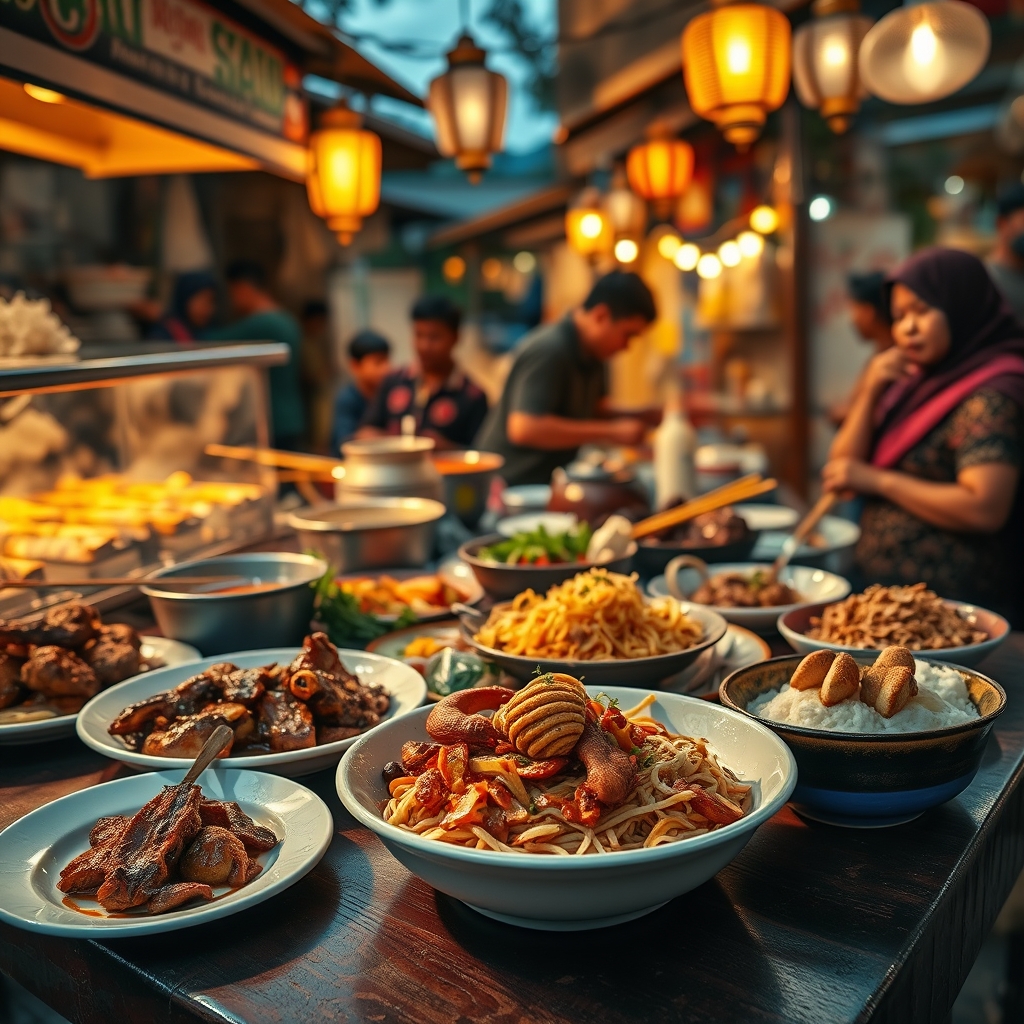
Indonesia’s culinary landscape is a vibrant tapestry woven with threads of history, culture, and geography. While dishes like rendang and nasi goreng often steal the spotlight, there’s a world of underrated regional delicacies waiting to be discovered. These hidden gems, passed down through generations, offer a deeper connection to the archipelago’s diverse communities and their unique stories. From the fiery spices of Aceh to the sweet, coconut-infused flavors of Sulawesi, each dish is a testament to the ingenuity and resourcefulness of its people.
The Bold and the Brave: Dishes That Pack a Punch
Ayam Taliwang Lombok: The Fiery Delight of the Sasak People
Hailing from the island of Lombok, Ayam Taliwang is a dish that demands attention. This grilled chicken is marinated in a potent blend of chili, garlic, shallots, and shrimp paste, then basted with coconut oil for an extra layer of richness. The result is a smoky, spicy, and slightly sweet flavor profile that lingers long after the last bite. Traditionally cooked over an open flame, Ayam Taliwang is often served with plecing kangkung—a spicy water spinach salad—and steamed rice. It’s a dish that embodies the bold spirit of the Sasak people, who have perfected the art of balancing heat and flavor.
Sate Klatak Bantul: The Skewered Secret of Yogyakarta
Unlike the more familiar satay varieties, Sate Klatak from Bantul, Yogyakarta, is a revelation. Made from chunks of goat or lamb, these skewers are grilled over a charcoal fire, giving them a distinct smoky aroma. What sets Sate Klatak apart is its minimalist seasoning—just salt and a touch of turmeric—allowing the natural flavors of the meat to shine. Served with a side of sweet and spicy kecap manis or a tangy sambal, it’s a dish that celebrates simplicity without compromising on taste. The name “klatak” refers to the sound the skewers make when they hit the grill, a playful nod to the dish’s rustic origins.
The Comforting Classics: Dishes That Warm the Soul
Nasi Liwet Solo: The Fragrant Rice of Central Java
Nasi Liwet is more than just a dish; it’s a cultural experience. Originating from Solo in Central Java, this fragrant rice is cooked in coconut milk, chicken broth, and a blend of spices like lemongrass, galangal, and bay leaves. The result is a rich, aromatic rice that’s often served with chicken, tempeh, and a hard-boiled egg. What makes Nasi Liwet special is its communal nature—it’s traditionally cooked in a clay pot over an open fire and shared among family and friends. The dish is a staple at celebrations and gatherings, symbolizing unity and togetherness.
Gudeg Yu Djum: The Sweet and Savory Jackfruit Stew of Yogyakarta
Gudeg is Yogyakarta’s most iconic dish, but the version served at Gudeg Yu Djum stands out for its unique preparation. Unlike the more common dry gudeg, this rendition features young jackfruit slow-cooked in coconut milk and palm sugar until it’s tender and caramelized. The dish is served with a variety of accompaniments, including chicken, boiled egg, and krecek—a spicy cow skin cracker. The secret to Gudeg Yu Djum’s success lies in its balance of sweet and savory flavors, a harmony that reflects the culinary finesse of the Javanese people.
The Unexpected Delights: Dishes That Surprise and Delight
Mie Aceh Kepiting: The Spicy Noodle Dish with a Crab Twist
Mie Aceh is a dish that showcases the bold flavors of Aceh’s coastal cuisine. This thick, spaghetti-like noodle dish is stir-fried with a rich, spicy curry made from turmeric, chili, and lemongrass. What elevates Mie Aceh Kepiting is the addition of fresh crab meat, which infuses the dish with a briny sweetness that complements the heat of the curry. Topped with crispy shallots and served with a side of emping (melinjo crackers), it’s a dish that’s as visually appealing as it is delicious. The flavors are a testament to Aceh’s strategic location as a historical trading hub, where spices and seafood converge.
Klappertaart Manado: The Coconut Custard Pie of North Sulawesi
Klappertaart is a dessert that defies expectations. Originating from Manado in North Sulawesi, this coconut custard pie is a fusion of Dutch and Indonesian influences. The pie features a soft, fluffy texture with layers of grated coconut and a hint of vanilla, all encased in a buttery crust. It’s a dish that’s as comforting as it is elegant, often served at special occasions and family gatherings. The name “klappertaart” is a nod to its Dutch roots, but the flavors are unmistakably Indonesian—a sweet reminder of the country’s colonial history and its ability to adapt and innovate.
The Street Food Stars: Dishes That Define a City
Tahu Tek Surabaya: The Surabaya Street Food Sensation
Tahu Tek is a dish that embodies the spirit of Surabaya’s bustling street food scene. This hearty dish features a mix of tofu, bean sprouts, and lontong (compressed rice cakes), all smothered in a rich peanut sauce and topped with crispy crackers. The name “Tahu Tek” comes from the sound of the knife chopping the tofu and other ingredients—a playful reference to the dish’s humble origins. What makes Tahu Tek special is its perfect balance of textures and flavors: the creaminess of the peanut sauce, the crunch of the crackers, and the freshness of the bean sprouts. It’s a dish that’s as fun to eat as it is to say.
Kupang Lontong Sidoarjo: The Tiny Clams with Big Flavor
Kupang Lontong is a dish that might seem unassuming at first glance, but one bite will change your mind. Hailing from Sidoarjo in East Java, this dish features tiny clams (kupang) served with lontong and a tangy, spicy broth made from tamarind, chili, and shallots. The clams are harvested from the mudflats of Sidoarjo, giving them a unique briny flavor that pairs perfectly with the rich, coconut-based lontong. It’s a dish that’s deeply rooted in the local culture, often enjoyed as a breakfast staple or a late-night snack. The combination of flavors and textures is a testament to the resourcefulness of the people of Sidoarjo, who have turned simple ingredients into a culinary masterpiece.
Pempek Kapal Selam: The Submarine Dumpling of Palembang
Pempek is Palembang’s most famous export, but the Kapal Selam (submarine) variety is a standout. This oversized dumpling is filled with a whole egg, giving it a rich, custardy center that contrasts beautifully with the chewy, fish-based exterior. Served with a tangy, sweet, and spicy cuko sauce, Pempek Kapal Selam is a dish that’s as fun to eat as it is delicious. The name “Kapal Selam” refers to the egg’s resemblance to a submarine peeking out of the dumpling, a playful nod to the dish’s whimsical nature. It’s a must-try for anyone visiting Palembang, offering a taste of the city’s vibrant street food culture.
Indonesia’s regional dishes are more than just food—they’re a celebration of the country’s diversity, history, and creativity. Each bite tells a story, whether it’s the fiery spices of Lombok, the sweet comfort of Solo’s Nasi Liwet, or the unexpected delights of Manado’s Klappertaart. These underrated gems are a reminder that the best culinary experiences often lie off the beaten path, waiting to be discovered by those willing to explore. So the next time you find yourself in Indonesia, skip the familiar and dive into the flavors that make this archipelago truly unique.