The Soul of Indonesia on a Plate: 10 Regional Dishes That Tell a Story
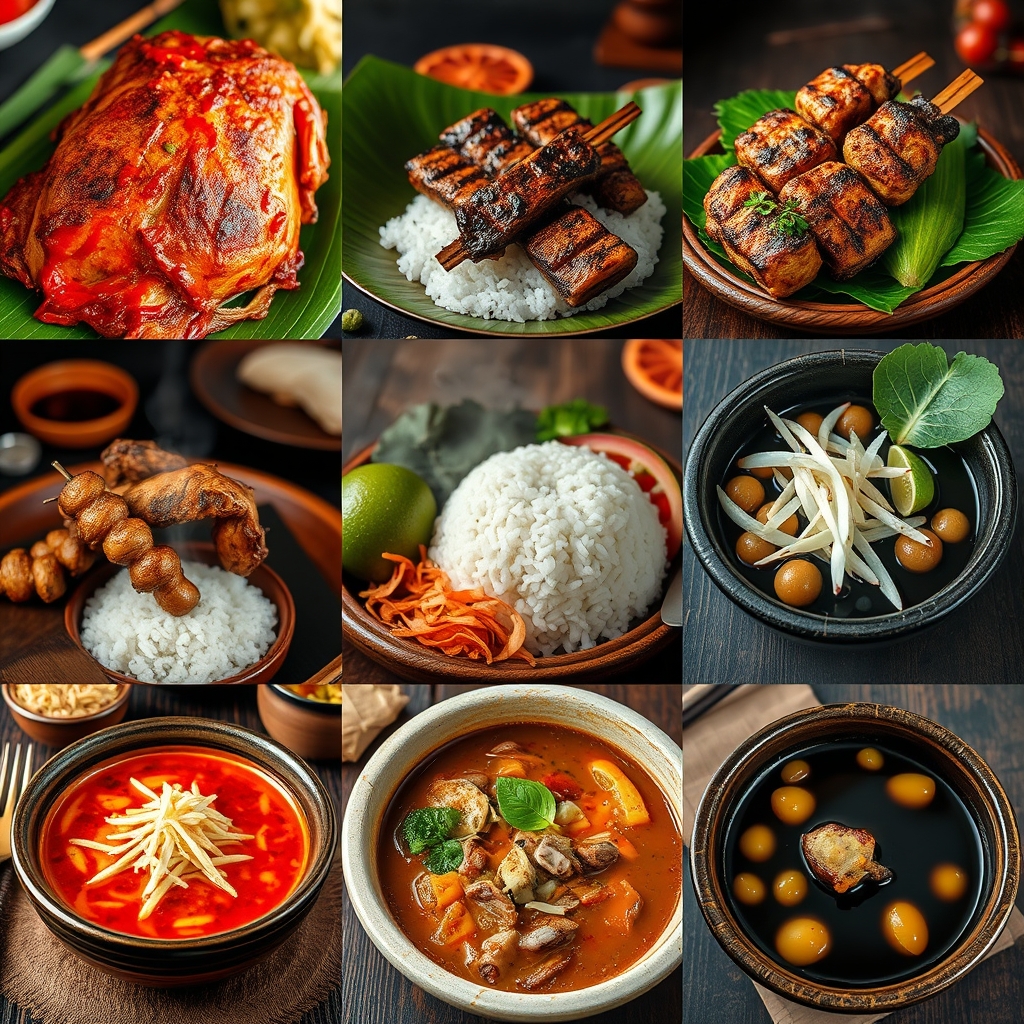
Indonesia is a country where every meal is a narrative, a tale woven from the threads of history, geography, and culture. The archipelago’s culinary landscape is as diverse as its islands, each dish carrying the essence of its origin. From the fiery spices of Sumatra to the delicate sweetness of Java, these regional specialties are more than just food—they are a testament to the people, traditions, and stories that have shaped them. Here, we explore ten dishes that encapsulate the soul of Indonesia, each one a chapter in the nation’s rich culinary story.
The Fiery Allure of Ayam Taliwang Lombok
On the island of Lombok, where the sun beats down on volcanic landscapes, Ayam Taliwang reigns supreme. This dish is a symphony of heat, sweetness, and smokiness, born from the Sasak people’s love for bold flavors. The chicken is first grilled over charcoal, its skin crisping under the flames, before being slathered in a paste of shallots, garlic, chili, and shrimp paste. The result is a dish that doesn’t just tantalize the taste buds—it ignites them. Ayam Taliwang is often served with plecing kangkung, a spicy water spinach salad, and a side of steamed rice to balance the fire. It’s a dish that demands to be savored slowly, each bite a reminder of Lombok’s untamed beauty.
The Legend of Sate Klatak Bantul
In the heart of Yogyakarta, Sate Klatak is more than just a skewer—it’s a piece of history. Unlike other satay varieties, which are typically made with marinated meat, Sate Klatak is crafted from chunks of goat or lamb, seasoned simply with salt and grilled over an open flame. The skewers are made from the midribs of coconut leaves, a traditional touch that adds a subtle earthiness to the meat. The name “klatak” comes from the sound the skewers make as they sizzle over the fire, a rhythmic reminder of the dish’s rustic origins. Served with a side of kecap manis and fresh shallots, Sate Klatak is a humble yet profound dish, a testament to the simplicity and ingenuity of Javanese cuisine.
The Sweet and Savory Magic of Gudeg Yu Djum
No exploration of Indonesian cuisine would be complete without Gudeg, the iconic dish of Yogyakarta. Among the many versions of this jackfruit stew, Gudeg Yu Djum stands out for its perfect balance of sweet and savory flavors. The dish is made by slow-cooking young jackfruit in coconut milk and palm sugar until it becomes tender and caramelized. The addition of teak leaves gives the stew its signature reddish-brown hue, while spices like coriander, galangal, and bay leaves infuse it with depth. Gudeg Yu Djum is traditionally served with rice, chicken, hard-boiled eggs, and a side of krecek, a spicy cow skin cracker. It’s a dish that embodies the warmth and hospitality of Javanese culture, a sweet invitation to sit down and share a meal.
The Dark and Mysterious Rawon Setan Surabaya
In the bustling streets of Surabaya, Rawon Setan is a dish shrouded in intrigue. Named after the Indonesian word for “devil,” this beef soup is as dark as night, thanks to the use of keluak nuts, which lend it a deep, earthy flavor. The soup is rich and aromatic, with a complex blend of spices including turmeric, lemongrass, and kaffir lime leaves. What sets Rawon Setan apart is its late-night allure—it’s often served in small, dimly lit stalls that stay open until the early hours of the morning, catering to night owls and those seeking a hearty, soul-warming meal. Paired with rice, bean sprouts, and a squeeze of lime, Rawon Setan is a dish that lingers in the memory long after the last spoonful.
The Coastal Charm of Mie Aceh Kepiting
On the northern tip of Sumatra, where the Indian Ocean meets the Malacca Strait, Mie Aceh Kepiting is a dish that captures the essence of Aceh’s coastal culture. This noodle dish is a celebration of seafood, with plump crab meat taking center stage. The noodles are thick and chewy, cooked in a rich, spiced broth that blends the flavors of turmeric, coriander, and chili. The dish is often garnished with fried shallots, lime, and a side of emping (melinjo crackers), adding texture and brightness to each bite. Mie Aceh Kepiting is more than just a meal—it’s a taste of the sea, a reminder of Aceh’s maritime heritage and the bounty of its waters.
The Spicy Elegance of Sate Padang Pariaman
In the highlands of West Sumatra, Sate Padang Pariaman is a dish that marries simplicity with sophistication. Unlike other satay varieties, which are often served with peanut sauce, Sate Padang is accompanied by a thick, spicy gravy made from beef broth, turmeric, and a blend of aromatic spices. The meat—usually beef or offal—is grilled to perfection before being smothered in the rich, golden sauce. The dish is served with ketupat (compressed rice cakes) and a side of sliced shallots, creating a harmonious blend of textures and flavors. Sate Padang Pariaman is a dish that reflects the Minangkabau people’s love for bold, complex flavors, a culinary masterpiece that demands to be savored.
The Comforting Simplicity of Nasi Liwet Solo
In the royal city of Solo, Nasi Liwet is a dish that embodies the elegance and grace of Javanese culture. This fragrant rice dish is cooked in coconut milk and chicken broth, infused with lemongrass, galangal, and bay leaves. The result is a dish that is both comforting and refined, a staple at celebrations and family gatherings. Nasi Liwet is often served with chicken, tempeh, and a side of sayur labu (pumpkin soup), creating a meal that is as nourishing as it is delicious. It’s a dish that speaks to the soul, a reminder of the simple pleasures of life and the importance of sharing a meal with loved ones.
The Unique Delight of Kupang Lontong Sidoarjo
In the coastal town of Sidoarjo, East Java, Kupang Lontong is a dish that showcases the region’s love for seafood. Kupang, tiny clams harvested from the mudflats, are cooked in a spicy coconut milk broth and served with lontong (compressed rice cakes) and a variety of toppings, including fried shallots, sambal, and lime. The dish is a symphony of flavors and textures, with the sweetness of the clams contrasting beautifully with the heat of the sambal. Kupang Lontong is a dish that reflects the resourcefulness of the people of Sidoarjo, a testament to their ability to transform simple ingredients into something extraordinary.
The Sweet Finale: Bika Ambon Medan
No culinary journey through Indonesia would be complete without a taste of Bika Ambon, the beloved dessert from Medan. This honeycomb cake is a marvel of texture and flavor, with a spongy, airy interior and a caramelized crust. Made from a batter of tapioca flour, eggs, coconut milk, and palm sugar, Bika Ambon is baked until it achieves its signature golden hue. The dish is often flavored with pandan or vanilla, adding a fragrant sweetness that lingers on the palate. Bika Ambon is more than just a dessert—it’s a symbol of Medan’s multicultural heritage, a sweet reminder of the city’s history as a melting pot of Malay, Chinese, and Indian influences.
These ten dishes are more than just meals—they are stories, each one a chapter in the rich tapestry of Indonesian cuisine. They remind us that food is never just about sustenance; it’s about connection, tradition, and the shared human experience. Whether it’s the fiery heat of Ayam Taliwang or the comforting sweetness of Nasi Liwet, these dishes invite us to sit down, share a meal, and celebrate the flavors that make Indonesia so unforgettable. So the next time you find yourself in front of a plate of Indonesian food, take a moment to savor not just the flavors, but the stories they carry.