Indonesia’s Culinary Secrets: 8 Regional Dishes That Define a Culture of Flavor and Tradition
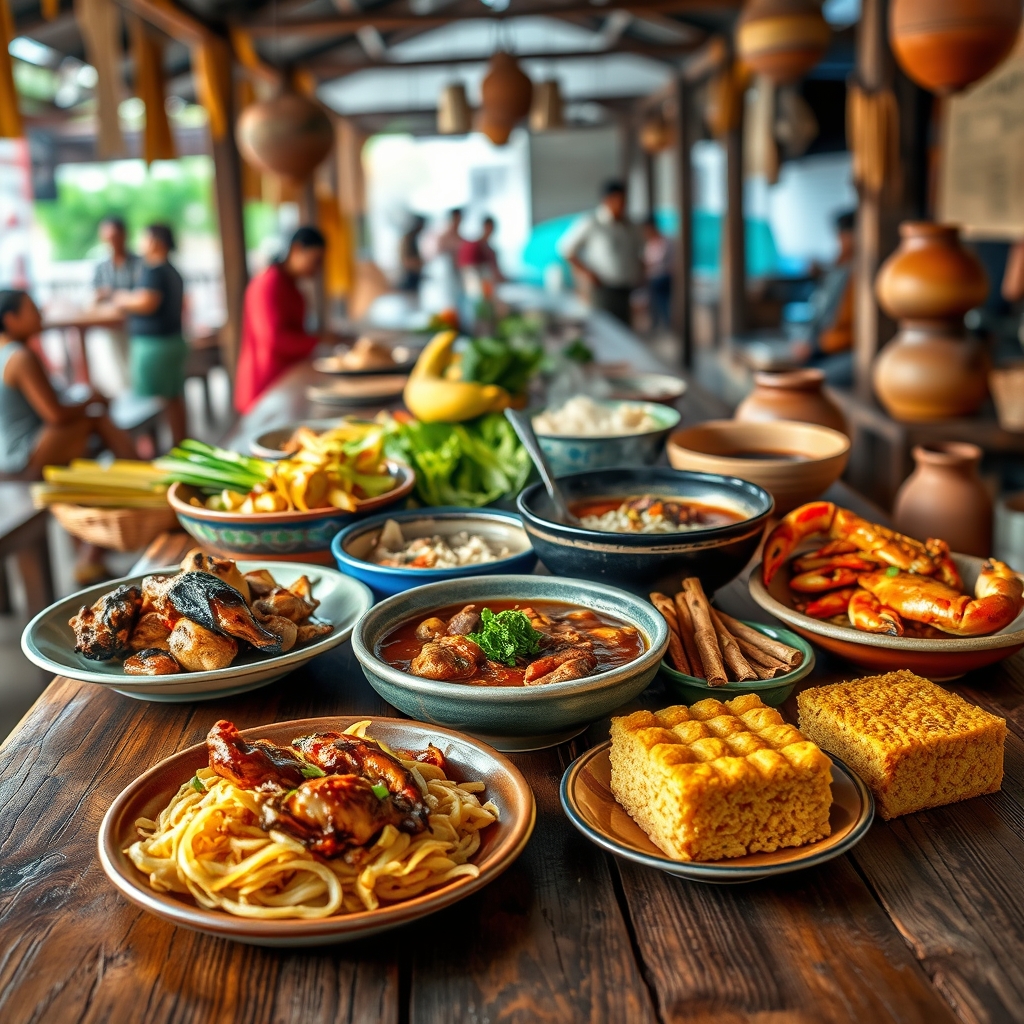
Indonesia’s culinary landscape is a vibrant tapestry woven from centuries of trade, tradition, and terroir. Beyond the well-trodden paths of satay and rendang lies a world of dishes that carry the soul of their regions—each bite a story of history, geography, and the hands that crafted them. These are not just meals; they are cultural artifacts, passed down through generations, evolving yet steadfast in their identity. To truly understand Indonesia is to savor these regional masterpieces, where every ingredient is a brushstroke in a larger portrait of heritage.
The Fiery Allure of Ayam Taliwang Lombok
On the sun-drenched island of Lombok, Ayam Taliwang reigns as the undisputed king of street food. This dish is a testament to the island’s love affair with heat, where chicken is marinated in a paste of shallots, garlic, shrimp paste, and a generous helping of Lombok’s infamous red chilies. Grilled over an open flame until the skin blisters and the meat absorbs the smoky essence, the chicken is then slathered with a sauce made from palm sugar, tamarind, and more chilies. The result is a symphony of sweet, sour, and fiery flavors that lingers long after the last bite. Served with plecing kangkung—a water spinach salad dressed in lime and chili—Ayam Taliwang is not just a dish; it’s an experience that demands courage and rewards the bold.
The Legend of Rawon Setan Surabaya
In the bustling streets of Surabaya, Rawon Setan is whispered about with a mix of reverence and mischief. Named after the devil himself—*setan*—this black-hued beef soup is said to be so rich and addictive that it tempts even the most disciplined of eaters into indulgence. The dark color comes from the use of keluak nuts, a rare and prized ingredient that imparts an earthy, almost umami depth to the broth. Slow-cooked with lemongrass, galangal, and a blend of spices, the beef becomes tender enough to melt in your mouth. Served with a side of rice, bean sprouts, and sambal, Rawon Setan is a dish that thrives in the dead of night, when the city’s energy is at its peak and the line between sin and satisfaction blurs.
The Delicate Art of Mie Aceh Kepiting
On the northern tip of Sumatra, Mie Aceh Kepiting
is a dish that marries the bold flavors of Aceh with the delicate sweetness of crab. Thick, chewy noodles are stir-fried with chunks of fresh crab, prawns, and a medley of vegetables, all bathed in a fragrant curry-like sauce. The sauce itself is a masterpiece, made from a blend of shallots, garlic, turmeric, and coriander, with a hint of coconut milk to soften the edges. What sets Mie Aceh apart is its balance—spicy yet not overpowering, rich yet not heavy. It’s a dish that reflects the cultural melting pot of Aceh, where Indian, Arab, and Malay influences converge in a single, harmonious bite. In the heart of Medan, Bika Ambon is a dessert that defies expectations. Despite its name, this golden-hued cake has no connection to the Maluku island of Ambon; instead, it’s a Medan original, born from the city’s love of pandan and coconut. The cake’s signature honeycomb texture is achieved through a meticulous process of mixing rice flour, tapioca, eggs, and coconut milk, then baking it in a special mold until it puffs up like a sponge. The result is a dessert that’s light yet satisfying, with a subtle sweetness that lingers. Often served with a cup of strong Medan coffee, Bika Ambon is the perfect end to a meal—or the perfect excuse to indulge at any time of day. While satay is a staple across Indonesia, Sate Klatak from Bantul, Yogyakarta, stands apart for its sheer audacity. Unlike traditional satay, which is grilled over charcoal, Sate Klatak is cooked over an open flame using iron skewers, giving the meat a unique, slightly charred flavor. The skewers themselves are made from bicycle spokes, a nod to the resourcefulness of the local vendors. The meat—usually goat or lamb—is marinated in a simple blend of salt, turmeric, and garlic, allowing the natural flavors to shine. Served with a side of lontong (compressed rice cakes) and a spicy sambal, Sate Klatak is a dish that doesn’t just satisfy hunger; it ignites the senses. In the royal city of Solo, Nasi Liwet is the ultimate comfort food. This fragrant rice dish is cooked in coconut milk and chicken broth, infused with lemongrass, galangal, and bay leaves, giving it a rich, aromatic flavor. The rice is typically served with a variety of side dishes, including chicken, tempeh, and a hard-boiled egg, all arranged on a banana leaf for an extra layer of fragrance. What makes Nasi Liwet special is its simplicity—it’s a dish that doesn’t rely on complex techniques or rare ingredients, but rather on the harmony of flavors that come from slow cooking and patience. It’s the kind of meal that feels like a warm embrace, a reminder of home no matter where you are. In the coastal town of Sidoarjo, East Java, Kupang Lontong is a dish that turns humble ingredients into something extraordinary. Kupang—tiny clams harvested from the mudflats—are cooked in a spicy broth made from shallots, garlic, chilies, and tamarind, then served over slices of lontong. The dish is finished with a sprinkle of fried shallots and a squeeze of lime, adding a burst of freshness to the rich, briny flavors. What makes Kupang Lontong special is its accessibility—it’s a dish that’s as at home on a street food stall as it is in a family kitchen. It’s a reminder that some of the best flavors come from the simplest of places, where the sea meets the land and tradition meets innovation. Indonesia’s regional dishes are more than just food; they are a celebration of identity, a testament to the creativity and resilience of the people who create them. Each dish tells a story—of migration, of adaptation, of the land and the sea that shape them. To taste them is to take a journey through the archipelago, one bite at a time. Whether it’s the fiery allure of Ayam Taliwang or the comforting embrace of Nasi Liwet, these dishes offer a glimpse into the soul of Indonesia, where every meal is an invitation to explore, to savor, and to remember.The Sweet Simplicity of Bika Ambon Medan
The Bold and the Brave: Sate Klatak Bantul
The Comfort of Nasi Liwet Solo
The Unlikely Star: Kupang Lontong Sidoarjo