Indonesia’s Culinary Mosaic: The Stories and Flavors Behind 10 Iconic Regional Dishes
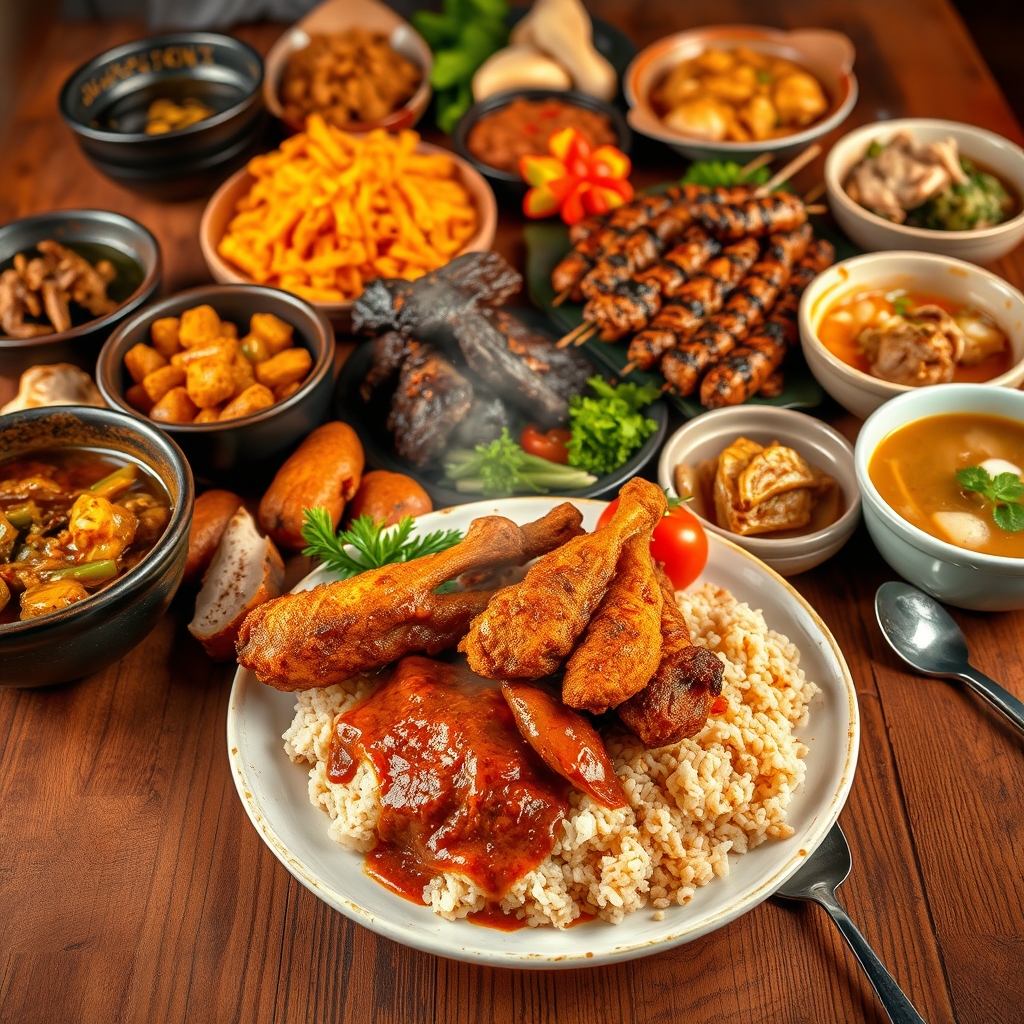
Indonesia’s culinary landscape is as vast and diverse as its archipelago, with each region offering a unique symphony of flavors, techniques, and cultural influences. From the fiery spices of Sumatra to the delicate sweetness of Javanese cuisine, the country’s food tells stories of trade, tradition, and community. These dishes are not just meals; they are a testament to the ingenuity of local ingredients and the passion of the people who prepare them. Let’s embark on a journey to uncover the tales behind some of Indonesia’s most iconic regional dishes, each a masterpiece in its own right.
The Spice-Laden Legacy of Nasi Padang Minangkabau
Hailing from the highlands of West Sumatra, Nasi Padang is a feast for the senses. This dish is a vibrant display of Minangkabau culture, where steamed rice is served alongside an array of rich, spicy, and aromatic dishes. The Minangkabau people, known for their matrilineal traditions, have perfected the art of balancing bold flavors—think rendang, a slow-cooked beef dish infused with coconut milk and a medley of spices, or gulai ikan, a fish curry that dances on the palate with its complex layers of turmeric, galangal, and chili. The communal style of serving Nasi Padang, where diners can choose from a spread of dishes, reflects the Minangkabau’s emphasis on togetherness and hospitality. It’s a culinary tradition that has transcended its origins, becoming a beloved staple across Indonesia.
The Sweet and Savory Harmony of Gudeg Yu Djum
In the heart of Yogyakarta, Gudeg Yu Djum stands as a symbol of Javanese culinary artistry. This dish, a slow-cooked jackfruit stew, is a harmonious blend of sweet and savory flavors, achieved through hours of simmering in coconut milk and palm sugar. The result is a tender, caramelized jackfruit that melts in the mouth, often served with crispy fried chicken, hard-boiled eggs, and a side of krecek—a spicy cow skin stew. What makes Gudeg Yu Djum truly special is its connection to the city’s history. Legend has it that the dish was created by palace chefs to cater to the royal family’s refined tastes, and today, it remains a beloved street food that embodies the warmth and elegance of Javanese culture.
The Dark and Mysterious Allure of Rawon Setan Surabaya
Surabaya’s Rawon Setan is not for the faint of heart. This midnight-black beef soup, named after the devil (“setan”) for its late-night allure, is a testament to East Java’s love for bold, unapologetic flavors. The dish’s signature color comes from keluak, a rare and potent nut that imparts a deep, earthy richness to the broth. Combined with a blend of garlic, shallots, and candlenuts, Rawon Setan delivers a flavor profile that is both intense and deeply satisfying. Traditionally served in the wee hours of the morning, this dish is a favorite among night owls and those seeking a hearty, soul-warming meal. It’s a culinary experience that lingers long after the last spoonful.
The Smoky Char of Sate Klatak Bantul
In the quiet town of Bantul, near Yogyakarta, Sate Klatak offers a unique twist on Indonesia’s beloved satay. Unlike its skewered counterparts, Sate Klatak is made from chunks of goat meat grilled over an open flame, giving it a smoky, charred exterior that contrasts beautifully with its tender, juicy interior. The name “klatak” refers to the sound the skewers make as they sizzle over the fire, a testament to the dish’s rustic origins. Served with a simple yet flavorful sauce made from shallots, garlic, and chili, Sate Klatak is a celebration of minimalism—where the quality of the meat and the skill of the grill master take center stage. It’s a dish that captures the essence of Javanese simplicity and the joy of communal dining.
The Fiery Passion of Ayam Taliwang Lombok
Lombok’s Ayam Taliwang is a dish that ignites the senses. This grilled chicken dish, marinated in a fiery blend of chili, garlic, and shrimp paste, is a staple of Sasak cuisine, the indigenous culture of Lombok. The chicken is grilled over coconut husks, infusing it with a smoky aroma that complements its spicy kick. What sets Ayam Taliwang apart is its unapologetic heat, a reflection of the island’s love for bold flavors. Served with plecing kangkung (spicy water spinach) and a side of sambal, this dish is a fiery celebration of Lombok’s culinary heritage. It’s a must-try for those who dare to embrace the heat and the rich cultural tapestry behind it.
The Comforting Simplicity of Soto Banjar Kalimantan
In the bustling streets of South Kalimantan, Soto Banjar offers a comforting respite from the tropical heat. This aromatic soup, made with tender chicken, vermicelli noodles, and a fragrant broth infused with lemongrass, galangal, and turmeric, is a staple of Banjarese cuisine. What makes Soto Banjar unique is its subtle sweetness, derived from the addition of cinnamon and nutmeg, which balances the savory depth of the broth. Served with a side of lime and sambal, this dish is a symphony of flavors that reflects the Banjar people’s love for harmony and balance. It’s a dish that warms the soul and invites diners to savor the simple pleasures of life.
The Rich and Hearty Coto Makassar Asli
From the vibrant streets of Makassar, Coto Makassar is a dish that embodies the bold and hearty flavors of Sulawesi. This traditional soup is made with slow-cooked beef or buffalo meat, simmered in a rich broth infused with roasted spices, lemongrass, and turmeric. The dish is often served with ketupat (rice cakes) and a side of sambal, adding layers of texture and heat to the meal. Coto Makassar is more than just a dish; it’s a cultural icon that reflects the Bugis people’s seafaring heritage and their love for robust, flavorful food. It’s a dish that tells a story of resilience, tradition, and the unbreakable bond between food and community.
The Unique Delight of Mie Aceh Kepiting
In the northern tip of Sumatra, Mie Aceh Kepiting offers a tantalizing blend of Chinese and Acehnese culinary influences. This dish features thick, chewy noodles stir-fried with crab meat, prawns, and a rich, spiced curry sauce. The flavors are bold and aromatic, with a generous helping of chili, turmeric, and lemongrass. What makes Mie Aceh Kepiting truly special is its ability to bridge cultures—combining the techniques of Chinese stir-frying with the bold spices of Aceh. Served with a side of emping (melinjo crackers) and a wedge of lime, this dish is a celebration of Aceh’s rich history as a melting pot of cultures and flavors.
Indonesia’s regional dishes are more than just food; they are a living testament to the country’s rich cultural heritage and the creativity of its people. Each dish tells a story of tradition, innovation, and the unbreakable bond between food and identity. Whether it’s the fiery passion of Ayam Taliwang or the comforting simplicity of Soto Banjar, these culinary masterpieces invite us to explore the flavors, stories, and soul of Indonesia. They remind us that food is not just sustenance—it’s a journey, a memory, and a celebration of life itself.