Indonesia’s Culinary Whispers: The Regional Dishes That Speak in Spice and Heritage
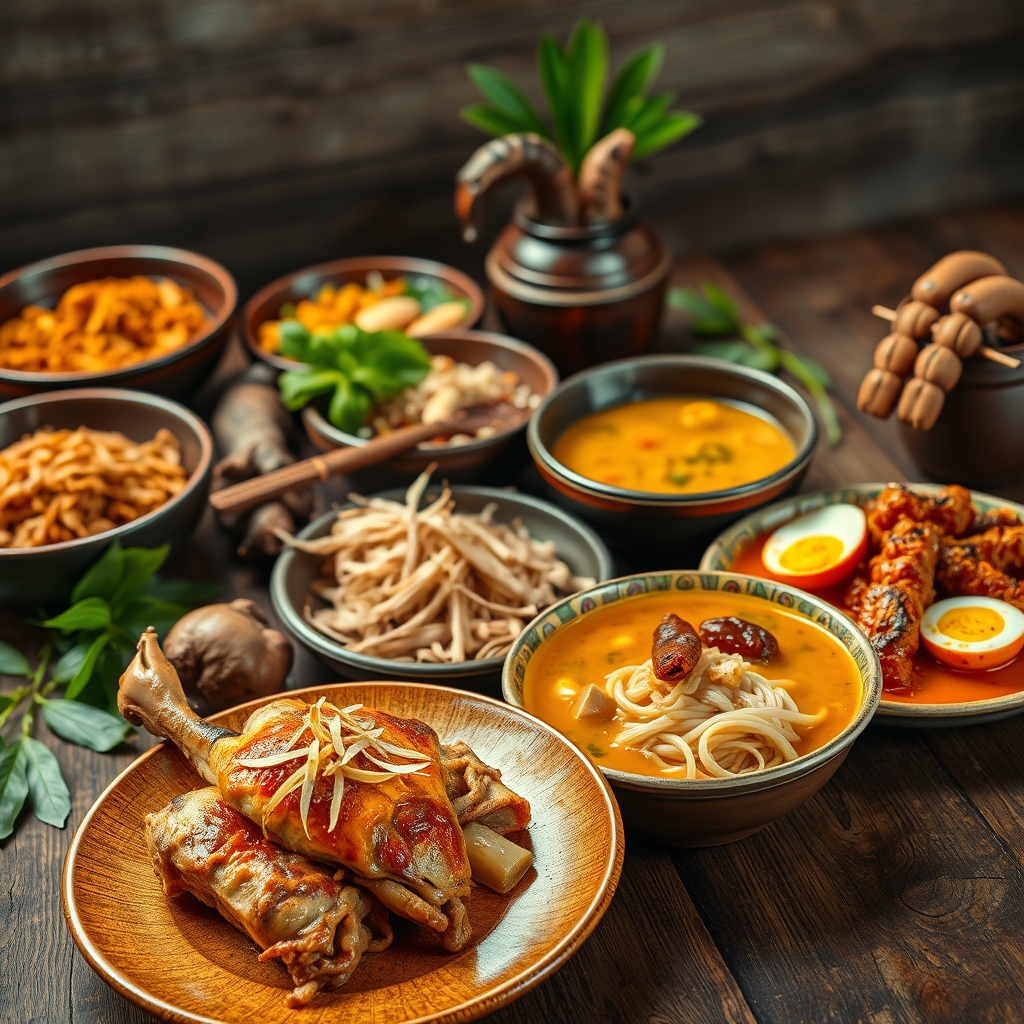
Indonesia’s culinary landscape is a vibrant tapestry woven with threads of history, culture, and geography. Each region offers a dish that doesn’t just tantalize the taste buds but also tells a story—of trade routes, colonial influences, and the ingenuity of local communities. These are not just meals; they are narratives served on a plate, waiting to be savored and understood.
The Fiery Embrace of Aceh: Ayam Tangkap and Mie Aceh Kepiting
In the northernmost tip of Sumatra, Aceh’s cuisine is a bold declaration of flavor, shaped by its strategic location along ancient spice routes. Ayam Tangkap, or “captured chicken,” is a dish that lives up to its name—crispy, aromatic, and impossible to resist. The chicken is marinated in a blend of turmeric, coriander, and lemongrass, then deep-fried to golden perfection. What makes it unforgettable, however, are the heaps of fried cassava leaves, shallots, and chilies piled atop the chicken, releasing their fragrance with every bite. It’s a dish that demands attention, much like the resilient spirit of Aceh itself.
Not far from Ayam Tangkap’s fiery allure is Mie Aceh Kepiting, a noodle dish that marries the richness of crab with the robustness of Acehnese spices. Thick, chewy noodles swim in a fragrant curry-like broth, infused with turmeric, galangal, and a hint of coconut milk. The crab, often blue swimmer or mud crab, adds a sweet, briny depth that elevates the dish to something transcendent. It’s a meal that lingers, not just on the palate but in the memory.
The Sweet and Savory Harmony of Java: Gudeg Yu Djum and Nasi Liwet Solo
Java, the heart of Indonesia, offers dishes that are a study in balance—sweet and savory, rich and subtle. Gudeg Yu Djum, a legendary dish from Yogyakarta, is a testament to this harmony. Young jackfruit is simmered for hours in a blend of palm sugar, coconut milk, and spices until it transforms into a tender, caramelized delight. The dish is often served with hard-boiled eggs, crispy fried chicken, and a side of sambal goreng krecek—spicy fried cow skin. The result is a symphony of textures and flavors, where the sweetness of the jackfruit is tempered by the heat of the sambal and the crunch of the krecek.
In Solo, Nasi Liwet offers a different kind of comfort. This fragrant rice dish is cooked in coconut milk and chicken broth, infused with lemongrass, bay leaves, and galangal. The rice is often served with a variety of accompaniments, from tender chicken to crispy tempeh, but it’s the rice itself that steals the show—each grain glistening with flavor, a testament to the simplicity and elegance of Javanese cuisine.
The Bold and the Brave: Rawon Setan Surabaya and Sate Klatak Bantul
East Java is where Indonesian cuisine gets its reputation for bold, unapologetic flavors. Rawon Setan, or “Devil’s Rawon,” is a dish that lives up to its name. This black beef soup, colored by the use of keluak nuts, is rich, earthy, and deeply savory. The broth is simmered for hours with a blend of spices, including turmeric, coriander, and candlenuts, creating a depth of flavor that is both complex and comforting. Served with bean sprouts, salted eggs, and a side of sambal, Rawon Setan is a dish that commands respect—and a second bowl.
In Bantul, near Yogyakarta, Sate Klatak offers a unique take on Indonesia’s beloved satay. Unlike traditional satay, which is made with marinated meat, Sate Klatak uses chunks of goat or lamb that are skewered and grilled over an open flame. The meat is seasoned simply with salt and sometimes a touch of turmeric, allowing the natural flavors to shine. The skewers are served with a side of kuah, a spicy broth made from the drippings of the grilled meat, and a serving of rice. It’s a dish that celebrates the purity of the ingredients, a reminder that sometimes, less is more.
The Coastal Charms: Coto Makassar and Kupang Lontong Sidoarjo
Indonesia’s coastal regions offer dishes that are a love letter to the sea. In Makassar, Coto Makassar is a hearty soup that has been warming souls for generations. Made with beef or buffalo meat, offal, and a rich broth flavored with lemongrass, turmeric, and roasted coconut, it’s a dish that is as nourishing as it is flavorful. The soup is often served with ketupat (compressed rice cakes) and a side of sambal, adding layers of texture and heat to the meal.
In Sidoarjo, East Java, Kupang Lontong is a dish that showcases the region’s love for seafood. Kupang, tiny clams harvested from the mudflats, are cooked in a spicy coconut milk broth and served with lontong (compressed rice cakes) and a variety of toppings, including fried shallots, fried tofu, and boiled eggs. The dish is a celebration of the sea’s bounty, a reminder of the simple pleasures that come from the water.
The Hidden Gems: Bebek Sinjay Madura and Tahu Tek Surabaya
Madura, an island off the coast of East Java, is home to Bebek Sinjay, a dish that has earned a cult following. The duck is marinated in a blend of turmeric, garlic, and coriander, then deep-fried until crispy. It’s served with a side of sambal and steamed rice, the contrast between the crispy skin and the tender meat making it a dish worth traveling for.
In Surabaya, Tahu Tek is a street food staple that has won the hearts of locals and visitors alike. This dish features fried tofu served with a peanut sauce, bean sprouts, and lontong. The tofu is crispy on the outside and soft on the inside, while the peanut sauce adds a creamy, nutty richness. It’s a dish that is as satisfying as it is simple, a testament to the beauty of Indonesian street food.
Indonesia’s regional dishes are more than just food—they are a journey through time, culture, and geography. Each bite is a step into a different world, a different story, a different way of life. Whether it’s the fiery spices of Aceh, the sweet and savory harmony of Java, or the bold flavors of East Java, these dishes are a reminder of the country’s incredible diversity and the shared love of food that binds it all together. The next time you sit down to a meal, remember that you’re not just eating—you’re experiencing a piece of Indonesia’s soul.