Indonesia’s Culinary Kaleidoscope: The Regional Dishes That Dance on the Palate and Whisper of Home
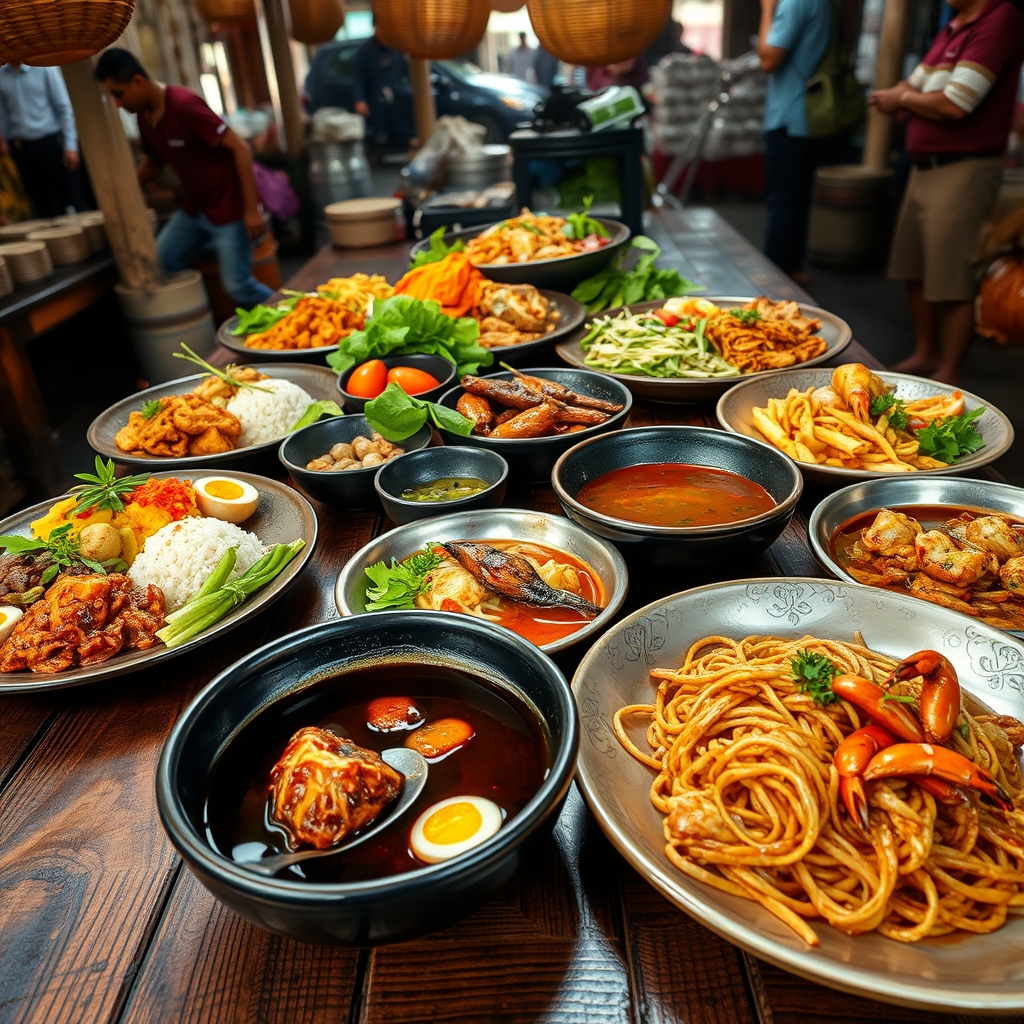
There is a quiet magic in the way a single bite can transport you across oceans, through bustling markets, and into the warm embrace of a family kitchen. Indonesia’s regional dishes are not merely meals; they are living stories, woven from the threads of history, geography, and the unyielding creativity of generations. Each dish carries the soul of its homeland, offering a taste of the land, the sea, and the hands that shaped it. To explore these flavors is to walk through the archipelago’s heart, where every spoonful is a conversation between tradition and innovation.
The Spice-Infused Legacy of Nasi Padang Minangkabau
Few culinary experiences are as visually arresting as a table laden with the vibrant dishes of Nasi Padang. Originating from the Minangkabau people of West Sumatra, this feast is a symphony of colors, textures, and flavors, where steamed rice serves as the humble canvas for an array of rich, spice-laden dishes. Rendang, the crown jewel of Padang cuisine, is a slow-cooked beef dish that marries tender meat with a complex paste of coconut milk, lemongrass, galangal, garlic, and chilies. The result is a dish so deeply flavorful that it has earned its place as one of the world’s most beloved foods. But rendang is just the beginning. From the fiery gulai (curry) to the tangy asam padeh (sour and spicy fish stew), Nasi Padang is a celebration of Minangkabau culture, where hospitality is measured in the number of dishes served and the generosity of the host.
The Sweet and Savory Harmony of Gudeg Yu Djum
In the ancient city of Yogyakarta, Gudeg Yu Djum stands as a testament to the Javanese art of balancing sweet and savory. This iconic dish, made from young jackfruit slow-cooked in palm sugar and coconut milk, is a labor of love that requires hours of simmering to achieve its signature caramelized texture. The jackfruit, once tender, absorbs the rich, sweet syrup, while the addition of krecek (buffalo skin cracklings) and hard-boiled eggs adds a contrasting savory depth. Gudeg is more than just a dish; it is a cultural icon, a symbol of Yogyakarta’s royal heritage, and a comfort food that has been passed down through generations. Served with steamed rice, sambal goreng krecek, and a side of opor ayam (coconut milk chicken curry), Gudeg Yu Djum is a meal that lingers in the memory long after the last bite.
The Dark and Mysterious Allure of Rawon Setan Surabaya
Surabaya’s Rawon Setan is not for the faint of heart. This midnight-black beef soup, named after the devil (setan) for its late-night allure, is a dish that commands attention. The deep, inky hue comes from the use of keluak, a dark nut that lends an earthy, slightly bitter flavor to the broth. Combined with a blend of shallots, garlic, turmeric, and candlenuts, the soup achieves a complexity that is both bold and nuanced. Traditionally served with rice, bean sprouts, and a side of sambal, Rawon Setan is a dish that thrives in the shadows of Surabaya’s night markets, where the hum of conversation and the clatter of spoons create a symphony of urban life. It is a dish that embodies the city’s spirit—unapologetically bold, deeply flavorful, and impossible to ignore.
The Fiery Passion of Ayam Taliwang Lombok
On the island of Lombok, Ayam Taliwang is more than just grilled chicken; it is a fiery declaration of love for bold flavors. Named after the village of Taliwang, this dish begins with a whole chicken, marinated in a paste of shallots, garlic, chilies, and shrimp paste, then grilled over an open flame until the skin is crisp and the meat is succulent. The real magic, however, lies in the plecing sauce—a vibrant concoction of tomatoes, chilies, and lime juice that is spooned generously over the chicken. The result is a dish that is at once smoky, spicy, and tangy, with a heat that builds slowly, leaving a lingering warmth on the palate. Ayam Taliwang is often served with lalapan (fresh vegetables) and steamed rice, creating a meal that is as balanced as it is exhilarating.
The Coastal Elegance of Mie Aceh Kepiting
From the northern tip of Sumatra comes Mie Aceh Kepiting, a noodle dish that captures the essence of Aceh’s coastal bounty. Thick, yellow noodles are stir-fried with succulent crab meat, prawns, and a medley of spices, including turmeric, coriander, and lemongrass. The dish is finished with a generous drizzle of coconut milk, which lends a creamy richness to the noodles, while the addition of emping (crispy melinjo crackers) adds a satisfying crunch. Mie Aceh Kepiting is a dish that reflects the region’s maritime heritage, where the sea’s treasures are transformed into a symphony of flavors. It is often enjoyed with a side of sambal and lime, allowing diners to customize the heat and acidity to their liking. In every bite, there is a reminder of Aceh’s resilience, its vibrant culture, and its deep connection to the ocean.
The Comforting Simplicity of Nasi Liwet Solo
In the heart of Java, the city of Solo offers a dish that is as comforting as it is elegant: Nasi Liwet. This fragrant rice dish is cooked in coconut milk, chicken broth, and a blend of spices, including lemongrass, galangal, and bay leaves, which infuse the grains with a subtle, aromatic depth. Traditionally served with chicken, tempeh, and a side of sayur labu siam (chayote stew), Nasi Liwet is a dish that embodies the warmth of Javanese hospitality. It is often prepared for special occasions, where it is served on a large platter, allowing guests to gather around and share in the meal. The beauty of Nasi Liwet lies in its simplicity—a reminder that sometimes, the most profound flavors are born from the humblest of ingredients.
To taste these dishes is to understand that Indonesian cuisine is not just about sustenance; it is about connection. Each region’s flavors tell a story of the land, the people, and the traditions that have shaped them. Whether it’s the fiery heat of Ayam Taliwang, the sweet comfort of Gudeg, or the bold complexity of Rawon Setan, these dishes are a testament to the archipelago’s culinary diversity. They remind us that food is more than just what we eat—it is how we remember, how we celebrate, and how we find our way home.