Indonesia’s Spice-Soaked Streets: The Regional Dishes That Define a Nation’s Unwritten Flavors
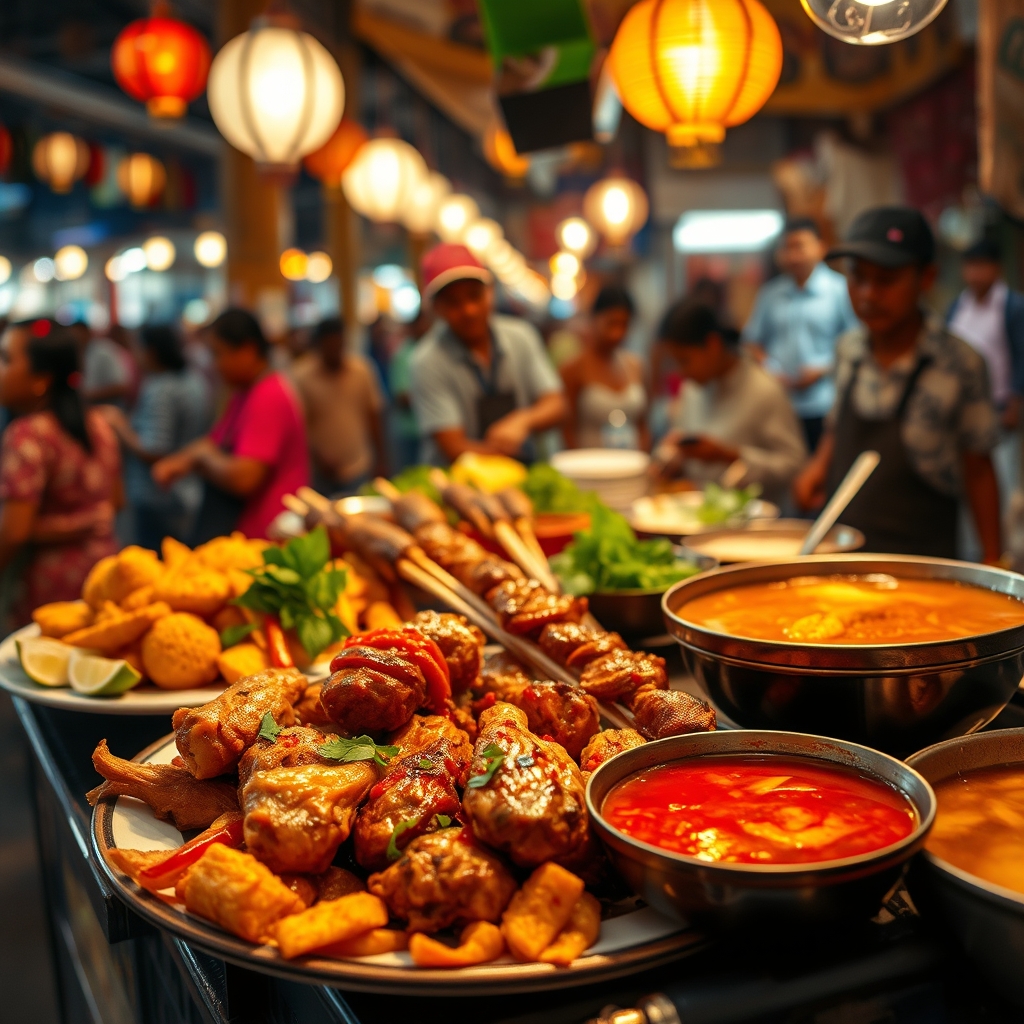
Indonesia’s culinary landscape is a vibrant mosaic of flavors, where every region boasts a dish that tells a story of culture, history, and tradition. These are not just meals; they are experiences—each bite a journey through the archipelago’s diverse landscapes, from the misty highlands of Aceh to the sun-drenched shores of Sulawesi. The streets hum with the sizzle of skewers, the aroma of slow-simmered broths, and the crackle of spices toasting over open flames. Here, food is more than sustenance; it is a language of its own, speaking in the bold, the subtle, and the unforgettable.
The Fiery Embrace of Aceh’s Ayam Tangkap
In the northern tip of Sumatra, where the air is thick with the scent of cloves and cinnamon, Ayam Tangkap reigns supreme. This dish is a celebration of Aceh’s spice trade legacy, where chicken is marinated in a fragrant paste of lemongrass, turmeric, and galangal before being deep-fried to crispy perfection. The name “Tangkap,” meaning “to catch,” hints at its origins—legend has it that hunters would cook this dish on the spot after a successful hunt, using wild herbs and spices foraged from the forest. Served with a side of sambal and steamed rice, Ayam Tangkap is a dish that commands attention, its flavors as bold and unapologetic as the land it comes from.
The Mystique of Lombok’s Ayam Taliwang
Cross the strait to Lombok, and you’ll encounter Ayam Taliwang, a dish that embodies the island’s fiery spirit. Grilled over coconut husks, the chicken is basted in a rich, spicy sauce made from shallots, garlic, chili, and shrimp paste, giving it a smoky, caramelized crust. The name “Taliwang” refers to the village where this dish originated, a place where the heat of the sun is matched only by the heat of the food. Served with plecing kangkung (water spinach in spicy tomato sauce) and steamed rice, Ayam Taliwang is a symphony of textures and flavors—crispy, tender, spicy, and tangy all at once. It’s a dish that doesn’t just satisfy hunger; it ignites the senses.
The Soulful Comfort of Solo’s Nasi Liwet
In the heart of Java, where the ancient kingdoms of Mataram once thrived, Nasi Liwet offers a taste of royal heritage. This fragrant rice dish is cooked in coconut milk and chicken broth, infused with lemongrass, bay leaves, and pandan, giving it a delicate, almost floral aroma. Traditionally served at celebrations and family gatherings, Nasi Liwet is a dish of togetherness, often accompanied by fried chicken, tempeh, and a rich, spiced coconut curry. The rice, slightly sticky and bursting with flavor, is a testament to Java’s agricultural abundance and its people’s reverence for tradition. Every spoonful is a reminder of the simple pleasures that bind communities together.
The Bold and Unapologetic Sate Klatak of Bantul
Yogyakarta’s culinary scene is a treasure trove of flavors, but none are as bold or as unique as Sate Klatak. Unlike traditional satay, which is made with marinated meat, Sate Klatak uses chunks of goat or lamb that are skewered and grilled over an open flame, seasoned only with salt. The name “Klatak” comes from the sound the skewers make as they hit the grill, a rhythmic symphony that draws crowds to the bustling street stalls of Bantul. The meat, tender and juicy, is served with a side of kecap manis (sweet soy sauce) and a fiery sambal. It’s a dish that celebrates the purity of the ingredients, letting the natural flavors of the meat shine through.
The Coastal Charms of Makassar’s Coto Makassar
On the shores of Sulawesi, where the sea meets the city, Coto Makassar is a dish that captures the essence of coastal living. This hearty soup is made from slow-cooked beef or buffalo, simmered in a rich broth flavored with turmeric, coriander, and lemongrass. The meat is tender, almost falling apart, and the broth is a golden elixir that warms the soul. Served with ketupat (compressed rice cakes) and a sprinkle of fried shallots, Coto Makassar is a dish that tells the story of Makassar’s maritime culture. It’s a meal that brings people together, whether enjoyed at a roadside stall or a family gathering, a reminder of the sea’s generosity and the city’s vibrant spirit.
The Sweet and Savory Delight of Medan’s Bika Ambon
In the bustling streets of Medan, Bika Ambon
is a sweet treat that has captured the hearts of Indonesians across the archipelago. This sponge cake, with its honeycomb-like texture, is made from a batter of tapioca flour, eggs, and coconut milk, baked until golden and caramelized. The name “Ambon” is a nod to its origins in the Maluku Islands, though it has become synonymous with Medan’s culinary scene. Bika Ambon is often enjoyed as a snack or dessert, its sweet, custardy flavor a perfect contrast to the city’s savory street food. It’s a dish that embodies the warmth and hospitality of Medan, a city where flavors are as diverse as its people. Indonesia’s regional dishes are more than just food; they are a testament to the country’s rich cultural tapestry. Each dish carries the weight of history, the pride of tradition, and the creativity of the people who have perfected it over generations. To taste these flavors is to embark on a journey—one that traverses mountains, crosses seas, and delves into the heart of what it means to be Indonesian. The streets may be spice-soaked, but the stories they tell are even richer, waiting to be discovered one bite at a time.