Indonesia’s Culinary Mosaic: The Spice-Drenched Stories Behind 10 Lesser-Known Regional Masterpieces
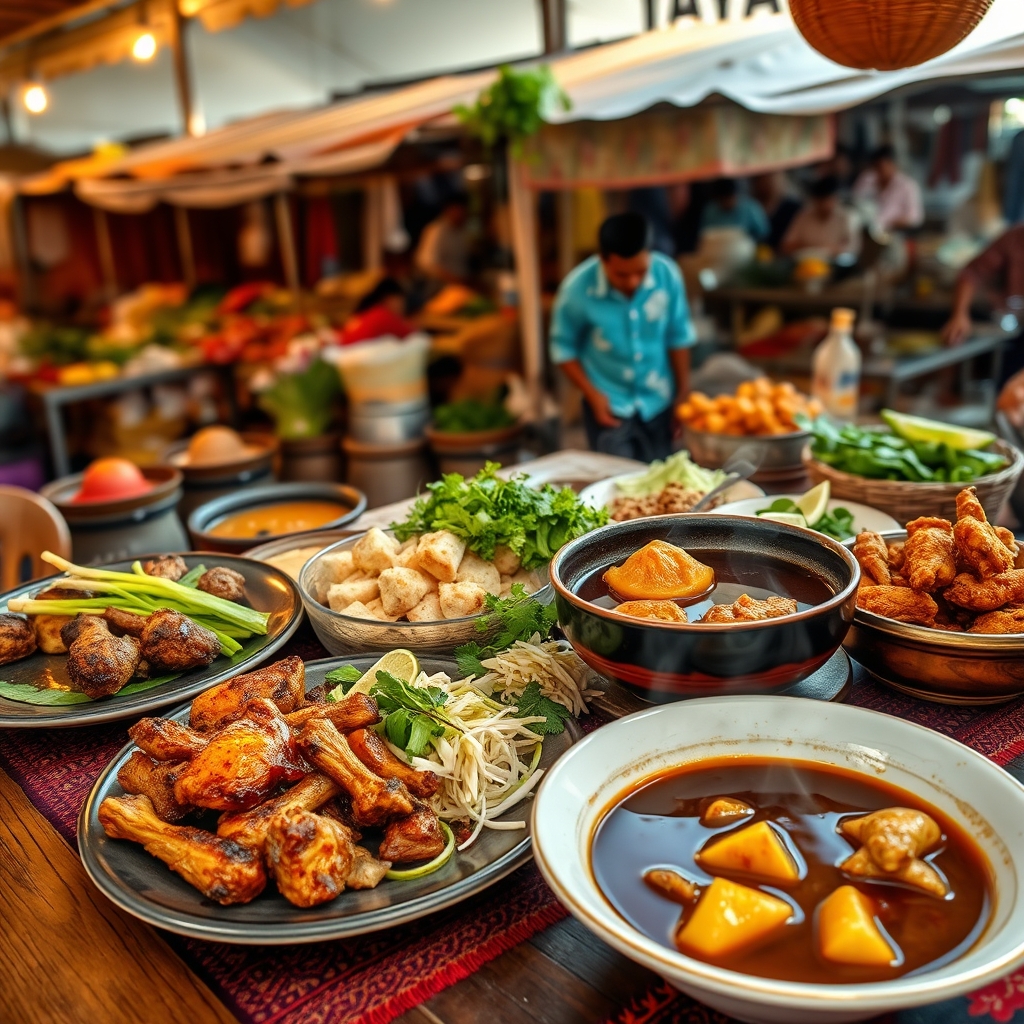
Indonesia’s culinary landscape is a vibrant tapestry woven from the threads of history, geography, and culture. While dishes like rendang and nasi goreng have earned global acclaim, the archipelago’s true magic lies in its lesser-known regional specialties—each a testament to the ingenuity of local communities and the rich biodiversity of the land. These are the dishes that don’t just feed the body but nourish the soul, carrying with them stories of trade, tradition, and the unyielding spirit of Indonesia’s people.
The Fiery Embrace of Ayam Taliwang
Hailing from the sun-drenched island of Lombok, Ayam Taliwang is a dish that commands attention. The chicken, marinated in a paste of shallots, garlic, chili, and shrimp paste, is grilled over an open flame until the skin crisps and the meat absorbs the smoky essence of the fire. What sets this dish apart is its unapologetic heat, balanced by the tang of tamarind and the sweetness of palm sugar. Served with plecing kangkung—a water spinach salad drenched in spicy tomato sauce—it’s a symphony of flavors that lingers long after the last bite. Ayam Taliwang isn’t just food; it’s a rite of passage for those who dare to embrace Lombok’s fiery spirit.
The Mystique of Rawon Setan
In the bustling streets of Surabaya, Rawon Setan is more than a dish—it’s a legend. Named after the devil himself (*setan*), this black-hued beef soup is as bold as its name suggests. The dark color comes from the use of keluak nuts, a rare ingredient that imparts an earthy, almost smoky flavor. Slow-cooked with lemongrass, galangal, and a blend of spices, the broth is rich and deeply aromatic. Served with bean sprouts, salted eggs, and a side of sambal, Rawon Setan is a dish that demands to be savored late into the night, under the glow of streetlights and the hum of city life.
The Delicate Art of Gudeg Yu Djum
Yogyakarta’s Gudeg Yu Djum is a dish that embodies the city’s royal heritage. Young jackfruit, slow-cooked in coconut milk and palm sugar, transforms into a tender, caramelized delight. The secret lies in the hours of simmering, which allows the jackfruit to absorb the sweet and savory flavors of the broth. Served with crispy fried chicken, hard-boiled eggs, and a side of krecek (spicy cow skin crackers), Gudeg Yu Djum is a harmony of textures and tastes. It’s a dish that whispers of Yogyakarta’s past, where every bite is a nod to the sultanate’s culinary legacy.
The Rustic Charm of Sate Klatak
Bantul’s Sate Klatak is a testament to the beauty of simplicity. Unlike its more famous counterparts, this satay is made from goat meat, skewered on bamboo or iron rods and grilled over an open fire. The name *klatak* comes from the sound the skewers make as they hit the grill—a rhythmic reminder of the dish’s humble origins. Served with a side of rice, lontong, and a spicy peanut sauce, Sate Klatak is a celebration of Bantul’s rural heart, where the flavors are as unpretentious as they are unforgettable.
The Coastal Elegance of Mie Aceh Kepiting
On the northern tip of Sumatra, Mie Aceh Kepiting is a dish that captures the essence of the sea. Thick yellow noodles, stir-fried with crab, shrimp, and a medley of spices, create a dish that is both hearty and refined. The use of Aceh’s signature spices—turmeric, coriander, and chili—gives the dish its distinctive golden hue and robust flavor. Served with a side of emping (melinjo crackers) and a squeeze of lime, it’s a dish that transports you to the bustling ports of Aceh, where the scent of the ocean mingles with the aroma of spices.
The Sweet Indulgence of Klappertaart
Manado’s Klappertaart is a dessert that defies expectations. A coconut custard cake, baked until golden and topped with a layer of toasted coconut flakes, it’s a sweet treat that balances richness with freshness. The secret to its unique texture lies in the use of young coconut meat, which adds a subtle crunch to every bite. Served warm or cold, Klappertaart is a reminder of Manado’s Dutch colonial past, where European techniques met local ingredients to create something truly extraordinary.
The Hearty Comfort of Coto Makassar
From the southern shores of Sulawesi comes Coto Makassar, a beef soup that is as hearty as it is flavorful. The broth, made from slow-cooked beef and offal, is infused with a blend of spices, including turmeric, coriander, and lemongrass. Served with ketupat (rice cakes) and a side of sambal, it’s a dish that warms the soul and fills the belly. Coto Makassar is more than just a meal; it’s a cultural icon, a dish that brings families together and keeps the spirit of Makassar alive.
The Spicy Allure of Ayam Tangkap
In the highlands of Aceh, Ayam Tangkap is a dish that celebrates the region’s love for bold flavors. The chicken, marinated in a paste of shallots, garlic, chili, and turmeric, is fried until crispy and then tossed with a generous helping of fried herbs—lemongrass, kaffir lime leaves, and pandan. The result is a dish that is as aromatic as it is spicy, a true reflection of Aceh’s culinary prowess. Served with steamed rice and a side of sambal, Ayam Tangkap is a dish that demands to be eaten with your hands, savoring every last bit of its fiery goodness.
The Unique Crunch of Pempek Kapal Selam
Palembang’s Pempek Kapal Selam is a dish that surprises at every turn. A type of fishcake made from ground fish and tapioca flour, it’s shaped like a submarine (*kapal selam*) and filled with a whole egg. Boiled and then fried until crispy, it’s served with a tangy, sweet, and spicy vinegar-based sauce called cuko. The contrast between the crispy exterior and the soft, egg-filled center makes Pempek Kapal Selam a dish that is as fun to eat as it is delicious. It’s a testament to Palembang’s creativity, where even the simplest ingredients can be transformed into something extraordinary.
The Nostalgic Flavors of Nasi Liwet Solo
Solo’s Nasi Liwet is a dish that evokes memories of home. Fragrant rice, cooked in coconut milk and chicken broth, is infused with lemongrass, galangal, and bay leaves, giving it a subtle yet intoxicating aroma. Served with chicken, tempeh, and a side of sambal, it’s a dish that is as comforting as it is flavorful. Nasi Liwet is often enjoyed during special occasions, a reminder of Solo’s rich cultural heritage and the warmth of its people.
These dishes are more than just food; they are the threads that weave together the story of Indonesia. Each bite is a journey through time and space, a taste of the land, the sea, and the people who call this archipelago home. To savor them is to understand the heart of Indonesia—a place where every meal is a celebration, every flavor a story, and every dish a masterpiece waiting to be discovered.