The Fiery Alchemy of Indonesia’s Coastal Kitchens: 5 Regional Dishes That Turn Spice into Magic
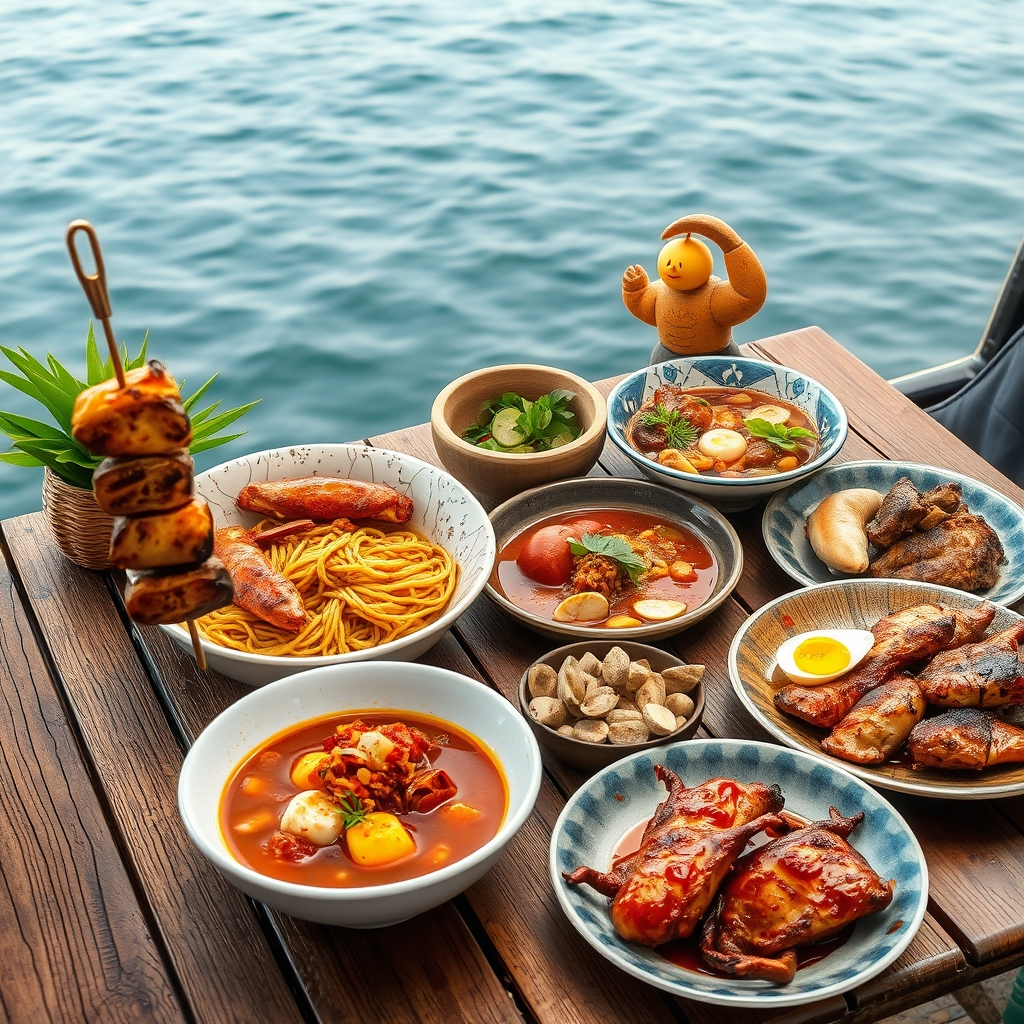
Indonesia’s coastal regions are where the ocean’s bounty meets the earth’s fiery spices, creating dishes that are as bold in flavor as they are rich in history. These are not just meals; they are alchemical transformations, where humble ingredients are elevated into something transcendent. From the smoky depths of a charcoal grill to the slow simmer of a spice-laden broth, each dish tells a story of trade, tradition, and the unyielding spirit of the people who craft them. Here, we explore five coastal delicacies that embody the magic of Indonesia’s culinary alchemy.
The Smoldering Embrace of Sate Klatak Bantul
In the heart of Bantul, near the cultural hub of Yogyakarta, a skewer of Sate Klatak is more than just grilled meat—it’s a ritual. Unlike its more famous cousin, Sate Madura, which is bathed in sweet soy sauce, Sate Klatak is stripped down to its essence. The skewers, traditionally made from bicycle spokes, pierce through chunks of goat or lamb, which are then grilled over an open flame until the edges char and the juices sizzle. The name itself, klatak, mimics the sound of the fat dripping onto the coals, a symphony of sizzles that beckons passersby from afar. Served with nothing more than a sprinkle of salt and a wedge of lime, this dish is a testament to the power of simplicity. The meat, tender yet slightly chewy, carries the smoky aroma of the grill, while the lime cuts through the richness, leaving a clean, lingering heat on the palate.
The Spice-Infused Mystery of Mie Aceh Kepiting
On the northern tip of Sumatra, where the Indian Ocean crashes against the shores, Mie Aceh Kepiting emerges as a dish that marries the robustness of noodles with the delicate sweetness of crab. Aceh’s culinary identity is shaped by its history as a trading port, where spices from the Moluccas and beyond found their way into local kitchens. The noodles, thick and springy, are stir-fried with a paste of shallots, garlic, turmeric, and chili, creating a golden-hued sauce that clings to every strand. The crab, often blue swimmer or mud crab, is torn into generous chunks, its sweet flesh absorbing the spice-laden sauce. A squeeze of lime and a scattering of fried shallots add the final layers of complexity, making each bite a dance between heat, sweetness, and umami. This dish is not just food; it’s a conversation between land and sea, a dialogue that has been perfected over centuries.
The Slow Simmer of Coto Makassar Asli
In the bustling streets of Makassar, Coto Makassar is more than a soup—it’s a cultural institution. This dish, with its deep, earthy broth and tender chunks of beef, is a labor of love, often simmered for hours to achieve its signature depth of flavor. The broth is a masterclass in balance, infused with a blend of spices that includes coriander, cumin, and lemongrass, while peanuts and fried shallots add a nutty richness. The beef, typically from the cow’s head or offal, is slow-cooked until it melts in the mouth, soaking up the aromatic broth. Served with ketupat (compressed rice cakes) and a side of sambal, Coto Makassar is a dish that demands to be savored slowly. It’s a reminder that some of life’s greatest pleasures are not rushed but allowed to unfold at their own pace.
The Tangy Rebellion of Kupang Lontong Sidoarjo
In the industrial town of Sidoarjo, East Java, a humble dish of Kupang Lontong is making waves among food enthusiasts. This dish features tiny clams, known locally as kupang, simmered in a tangy, spicy broth made from tamarind, chili, and a touch of palm sugar. The clams are served over compressed rice cakes (lontong) and topped with a generous helping of fried shallots, crispy tempeh, and a hard-boiled egg. The broth, with its perfect balance of sour, spicy, and sweet, cuts through the richness of the clams, creating a harmony of flavors that is both comforting and exhilarating. What makes Kupang Lontong truly special is its accessibility—it’s a dish that can be found in street stalls and warungs, yet it carries the soul of the ocean in every spoonful.
The Fiery Romance of Ayam Taliwang Lombok
On the island of Lombok, Ayam Taliwang is more than just grilled chicken—it’s a fiery romance between heat and flavor. Named after the village of Taliwang, this dish is a celebration of Lombok’s love affair with chili. The chicken is marinated in a paste of shallots, garlic, turmeric, and a generous amount of cabe rawit (bird’s eye chili), then grilled over charcoal until the skin is crisp and the meat is juicy. The real magic happens when the chicken is slathered with a spicy, tangy sauce made from chili, shrimp paste, and lime juice. The result is a dish that is at once smoky, spicy, and slightly sweet, with a lingering heat that builds with each bite. Served with a side of plecing kangkung (water spinach in spicy tomato sauce) and steamed rice, Ayam Taliwang is a dish that commands attention, a testament to Lombok’s bold and unapologetic culinary identity.
The coastal kitchens of Indonesia are where fire meets water, where spices are not just ingredients but storytellers. These dishes, born from the confluence of trade, tradition, and the relentless creativity of their makers, are more than just meals—they are a celebration of life itself. Each bite is an invitation to explore the rich tapestry of flavors that define this archipelago, a reminder that the most unforgettable culinary experiences are often the ones that dare to push boundaries and defy expectations. Whether it’s the smoky allure of Sate Klatak or the fiery passion of Ayam Taliwang, these dishes are a testament to the alchemy that happens when spice, skill, and soul come together in perfect harmony.