The Secret Spice Routes: Indonesia’s Most Enigmatic Regional Dishes and Their Untold Stories
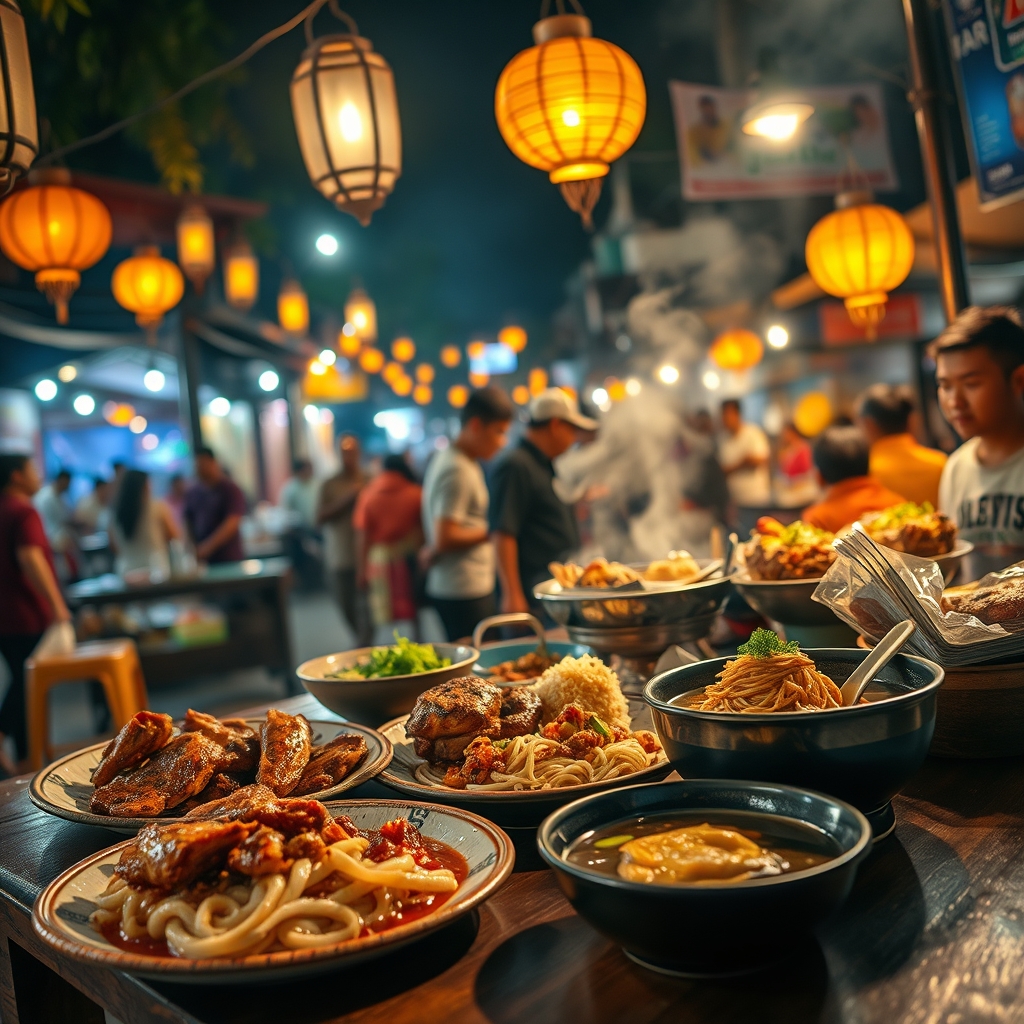
Indonesia’s culinary landscape is a labyrinth of flavors, where each dish carries whispers of history, migration, and the land itself. Beyond the well-trodden paths of rendang and nasi goreng lie hidden culinary treasures, each with a story as rich as its taste. These are the dishes that don’t just feed the body—they nourish the soul, offering a glimpse into the traditions, struggles, and triumphs of the communities that created them. Let’s embark on a journey to uncover some of Indonesia’s most enigmatic regional dishes, where every bite is a chapter in an untold story.
The Fiery Legacy of Ayam Taliwang Lombok
On the sun-scorched island of Lombok, Ayam Taliwang reigns supreme. This dish is not for the faint of heart—grilled chicken slathered in a paste of shallots, garlic, chili, and shrimp paste, then finished over an open flame until the skin crisps and the spices caramelize into a smoky, fiery glaze. The name itself is a nod to its origins in the village of Karang Taliwang, where it was once a humble street food. Today, it’s a symbol of Lombok’s resilience, a dish born from the island’s volcanic soil and the resourcefulness of its people. The heat isn’t just in the chili; it’s in the history, a testament to the island’s fiery spirit.
The Devil’s Brew: Rawon Setan Surabaya
In the bustling streets of Surabaya, Rawon Setan—or “Devil’s Rawon”—lurks in the shadows of night markets. This dark, brooding beef soup gets its inky hue from keluak, a nut native to the mangroves of Sumatra, which imparts an earthy, almost smoky depth to the broth. The “devil” in its name isn’t just for show; this dish is traditionally served late at night, a hearty, soul-warming meal for those who dare to indulge after dark. The legend goes that the dish was once a favorite of night owls and laborers, a secret shared among those who thrived under the cover of darkness. Today, it’s a badge of honor for those who seek out its bold, unapologetic flavors.
The Mystique of Mie Aceh Kepiting
At the northern tip of Sumatra, where the Indian Ocean crashes against the shores, Mie Aceh Kepiting tells a story of cultural fusion. This noodle dish, thick with the flavors of crab, turmeric, and lemongrass, is a relic of Aceh’s history as a melting pot of Arab, Indian, and Malay traders. The noodles, chewy and golden from the turmeric, are stir-fried with chunks of succulent crab, while the broth—a rich, spiced concoction—is ladled over the top, turning the dish into a symphony of textures and tastes. It’s a dish that whispers of ancient spice routes, where every ingredient is a thread connecting Aceh to the wider world.
The Sweet and Savory Puzzle of Nasi Liwet Solo
In the royal city of Solo, Nasi Liwet is more than just a dish—it’s a ritual. Cooked in coconut milk and broth, the rice absorbs the flavors of lemongrass, galangal, and bay leaves, emerging fragrant and slightly sticky. It’s traditionally served with chicken, tempeh, and a hard-boiled egg, but the real magic lies in the serundeng, a toasted coconut and spice mix that adds a crunchy, nutty contrast. The dish is often prepared in a dandang, a traditional clay pot, over an open fire, a method that dates back to the Mataram Sultanate. Eating Nasi Liwet isn’t just about sustenance; it’s about connecting with Solo’s regal past, one bite at a time.
The Forgotten Delicacy: Kupang Lontong Sidoarjo
In the small town of Sidoarjo, East Java, Kupang Lontong is a dish that time almost forgot. Tiny clams, known as kupang, are simmered in a spiced broth until tender, then served over compressed rice cakes (lontong) and topped with a generous drizzle of fried shallots and sambal. The dish is a humble one, born from the coastal communities who relied on the sea for their livelihood. Yet, its simplicity is deceptive. The broth, infused with tamarind and lemongrass, is a delicate balance of sour and savory, while the clams add a briny sweetness that lingers on the palate. It’s a dish that speaks of the sea’s generosity, a reminder of the quiet beauty in life’s simplest pleasures.
The Spicy Romance of Sate Klatak Bantul
In the heart of Yogyakarta, Sate Klatak is a dish that defies convention. Unlike its skewered cousins, this satay is made from chunks of goat meat, grilled over an open flame until charred on the outside and juicy within. The name klatak refers to the sound the skewers make as they hit the grill, a rhythmic symphony that draws crowds to the roadside stalls where it’s served. The meat is marinated in a blend of shallots, garlic, and coriander, then basted with a spicy kecap manis glaze that caramelizes under the heat. It’s a dish that embodies the spirit of Yogyakarta—bold, unpretentious, and deeply satisfying.
These dishes are more than just food; they are living legacies, passed down through generations, each with its own language of spices, techniques, and stories. They remind us that Indonesian cuisine is not a monolith but a mosaic, where every region, every community, has contributed a piece to the larger picture. To taste these dishes is to travel through time, to walk in the footsteps of those who came before, and to carry their stories forward, one bite at a time. The secret spice routes of Indonesia are not just paths of trade—they are pathways to the heart, where every meal is a journey and every flavor is a memory waiting to be made.