Indonesia’s Culinary Timekeepers: The Regional Dishes That Preserve Tradition in Every Bite
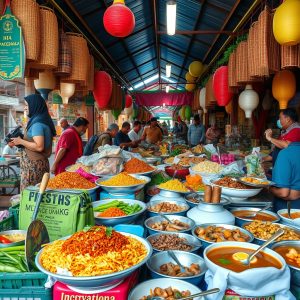
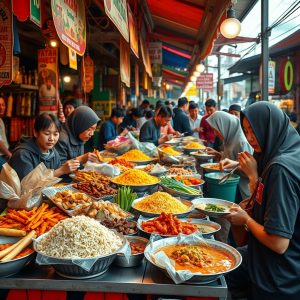
Indonesia’s culinary landscape is a living museum, where each dish serves as a timekeeper, preserving the traditions, histories, and cultural identities of its people. These regional masterpieces are not merely meals; they are stories passed down through generations, each bite a testament to the ingenuity and resilience of the communities that created them. From the fiery spices of Aceh to the delicate sweetness of Manado, these dishes are a celebration of Indonesia’s diverse heritage, offering a taste of the past in every mouthful.
The Spice-Laden Legacy of Nasi Padang Minangkabau
Few dishes encapsulate the boldness of Indonesian cuisine quite like Nasi Padang. Originating from the Minangkabau people of West Sumatra, this iconic dish is a symphony of flavors, where steamed rice is served alongside an array of rich, spicy, and aromatic dishes. From rendang to gulai, each component is meticulously prepared using traditional methods, often involving slow-cooking techniques that allow the spices to meld and deepen in flavor. The Minangkabau people believe that food is not just sustenance but a reflection of their cultural identity, and Nasi Padang is a proud declaration of that belief.
The communal nature of Nasi Padang is another layer of its charm. Diners are presented with a table laden with small plates, each offering a different taste of Minangkabau culinary artistry. It’s a feast that encourages sharing, conversation, and connection, reinforcing the bonds that tie the community together. The dish’s popularity has spread far beyond Sumatra, but its heart remains in the bustling warungs of Padang, where the recipes have been perfected over centuries.
The Sweet and Savory Harmony of Gudeg Yu Djum
In the heart of Yogyakarta, Gudeg Yu Djum stands as a testament to the city’s culinary creativity. This beloved dish is a unique blend of young jackfruit, coconut milk, and palm sugar, slow-cooked for hours until the flavors meld into a sweet and savory harmony. The dish is often served with krecek, a spicy cow skin stew, and hard-boiled eggs, creating a balance of textures and tastes that is quintessentially Javanese.
Gudeg Yu Djum is more than just a dish; it’s a cultural icon. The name itself pays homage to its creator, a woman named Yu Djum, who perfected the recipe in the 1950s. Her legacy lives on in the bustling streets of Yogyakarta, where her warung remains a must-visit for locals and travelers alike. The dish’s enduring popularity is a reminder of how food can become intertwined with a city’s identity, preserving the stories of those who came before us.
The Dark and Mysterious Allure of Rawon Setan Surabaya
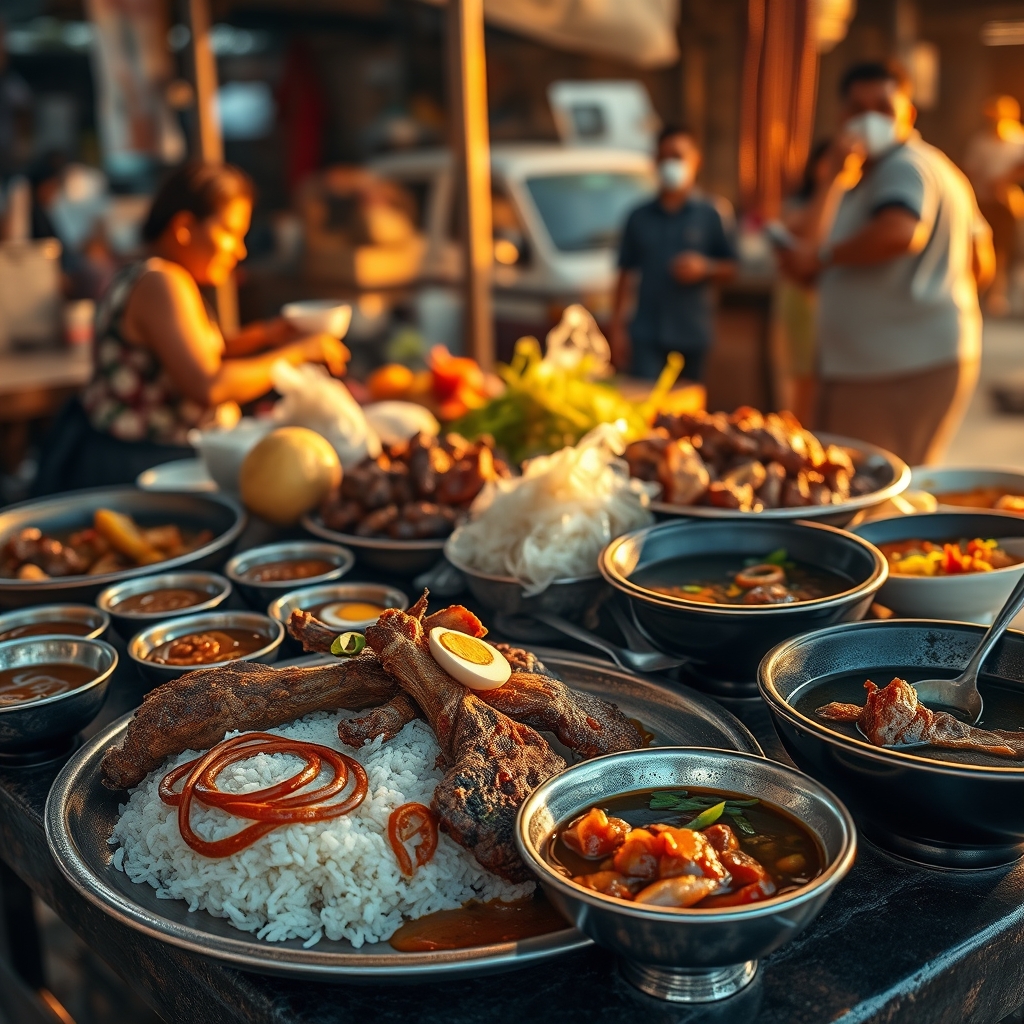
Surabaya’s Rawon Setan is a dish shrouded in mystery and intrigue. Known as “Devil’s Rawon” for its dark, almost black broth, this dish is a bold departure from the lighter soups found elsewhere in Indonesia. The broth’s deep color comes from the use of keluak nuts, a rare and prized ingredient that imparts a rich, earthy flavor. Paired with tender beef, the dish is a masterclass in balancing bold flavors and textures.
The name “Setan” (devil) is said to refer to the dish’s intense, almost addictive flavor, as well as the late-night hours when it’s traditionally served. Rawon Setan is a dish for the adventurous, a culinary dare that rewards those who embrace its dark allure. It’s a reminder that Indonesian cuisine is not afraid to push boundaries, to experiment, and to create dishes that linger in the memory long after the last bite.
The Fiery Passion of Ayam Taliwang Lombok
Lombok’s Ayam Taliwang is a dish that ignites the senses. Grilled chicken is slathered in a fiery paste made from chili, garlic, and shrimp paste, then cooked over an open flame until the skin is crispy and the meat is infused with smoky, spicy goodness. The dish is often served with plecing kangkung, a spicy water spinach salad, and a side of fresh vegetables, creating a meal that is as vibrant as the island itself.
Ayam Taliwang is more than just a dish; it’s a celebration of Lombok’s culinary heritage. The island’s unique blend of Sasak and Balinese influences is evident in the dish’s bold flavors and simple yet effective preparation. It’s a dish that demands attention, a fiery declaration of Lombok’s place in Indonesia’s culinary landscape.
The Coastal Charms of Mie Aceh Kepiting
On the northern tip of Sumatra, Mie Aceh Kepiting offers a taste of the sea. This hearty noodle dish is a fusion of Acehnese and Chinese culinary traditions, featuring thick, chewy noodles stir-fried with crab, shrimp, and a medley of aromatic spices. The dish is often served with a side of emping, a crispy cracker made from melinjo nuts, adding a satisfying crunch to each bite.
Mie Aceh Kepiting is a dish that reflects Aceh’s rich maritime history. The region’s strategic location along ancient trade routes has influenced its cuisine, resulting in dishes that are as diverse as they are delicious. This noodle dish is a perfect example of how Aceh’s culinary traditions have evolved, blending local ingredients with foreign influences to create something truly unique.
The Hidden Delights of Kupang Lontong Sidoarjo
In the bustling streets of Sidoarjo, East Java, Kupang Lontong is a hidden gem that delights the senses. This dish features small clams, known as kupang, served in a fragrant coconut milk broth with lontong, compressed rice cakes. The broth is infused with lemongrass, galangal, and kaffir lime leaves, creating a light yet flavorful base that allows the natural sweetness of the clams to shine.
Kupang Lontong is a dish that embodies the spirit of East Java’s coastal communities. It’s a celebration of the sea’s bounty, a humble yet delicious meal that has been perfected over generations. The dish’s simplicity is its strength, offering a taste of the region’s culinary soul in every spoonful.
Indonesia’s regional dishes are more than just food; they are a bridge to the past, a connection to the communities that have shaped the nation’s culinary identity. Each dish tells a story, preserving the traditions, flavors, and memories of the people who created them. To taste these dishes is to embark on a journey through time, where every bite is a step deeper into the heart of Indonesia’s rich and diverse heritage. Whether it’s the fiery passion of Ayam Taliwang or the sweet harmony of Gudeg Yu Djum, these dishes are a reminder of the power of food to unite, inspire, and preserve the stories of a nation.