The Fiery and Fragrant Tapestry: Indonesia’s Coastal and Highland Dishes That Weave Spice into Every Bite
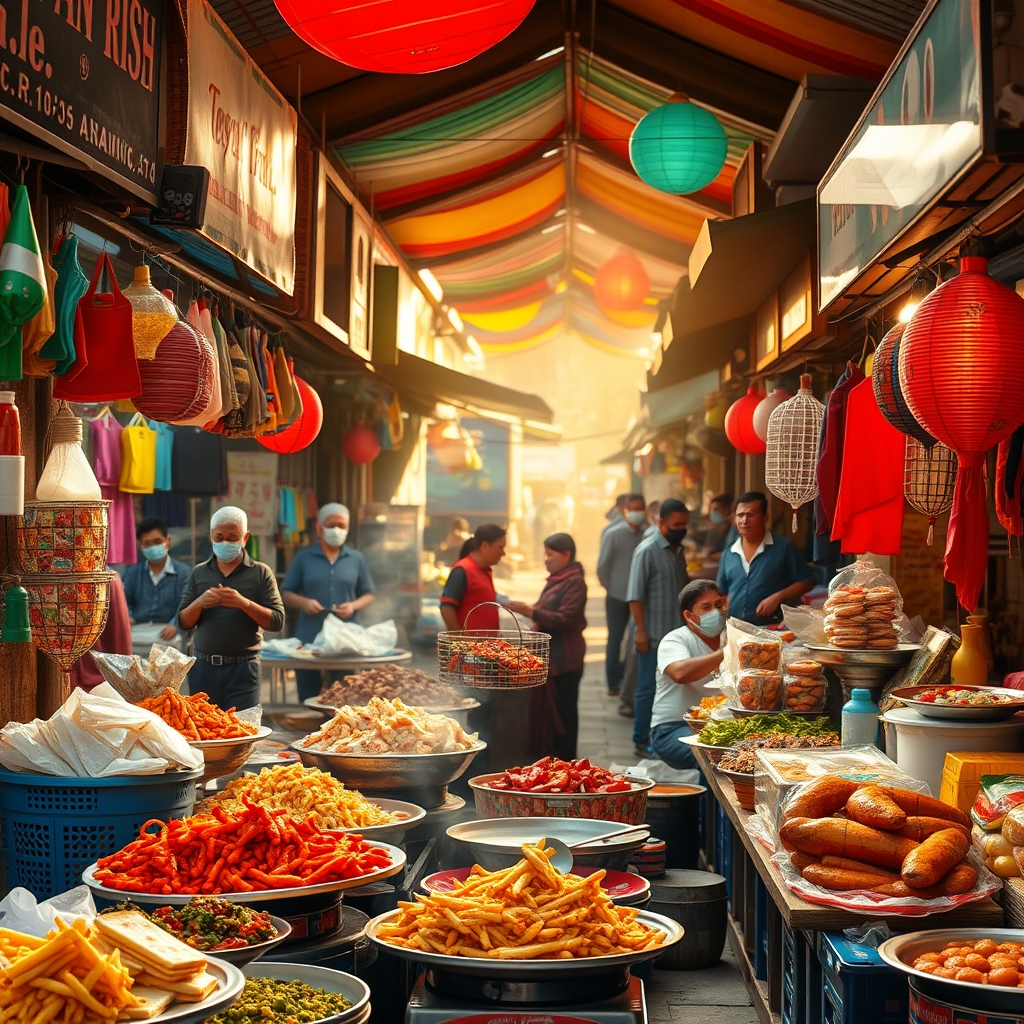
Indonesia, a nation of over 17,000 islands, is a culinary paradise that offers a diverse array of flavors and traditions. From the fiery spices of Sumatra to the sweet and savory delights of Bali, each region boasts its own unique dishes that tell a story of its own. In this article, we will embark on a journey through some of Indonesia’s most captivating regional dishes, exploring their origins, flavors, and the cultural significance they hold.
Nasi Padang Minangkabau: The Heart of West Sumatra
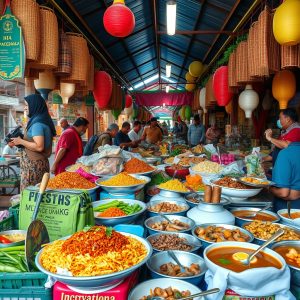
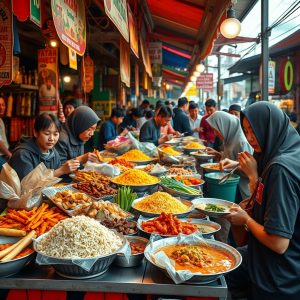
Our journey begins in the Minangkabau region of West Sumatra, where Nasi Padang is the epitome of local cuisine. This dish is a symphony of flavors, featuring a variety of dishes served on a large platter of steamed rice. The centerpiece is often a rich, savory curry, such as rendang (beef stew) or gulai (coconut milk-based curry), accompanied by a variety of side dishes like sambal, sayur lodeh (vegetable in coconut milk), and tempe or tofu.
The Spice Symphony
Nasi Padang is a testament to the Minangkabau’s love for spices. The use of turmeric, cumin, coriander, and lemongrass is ubiquitous, creating a complex and aromatic flavor profile. The dish is often served with a variety of sambal (chili paste) on the side, allowing each diner to customize their spice level.
Cultural Significance
The Minangkabau people are known for their strong cultural identity, and Nasi Padang is a reflection of this. The dish is often served at special occasions, such as weddings and festivals, and is a symbol of hospitality and togetherness. The act of sharing a meal is a significant part of Minangkabau culture, and Nasi Padang is a perfect example of this.
Gudeg Yu Djum: The Sweet and Savory Delight of Central Java
Next, we travel to Central Java, where Gudeg Yu Djum is a beloved dish that showcases the region’s unique blend of sweet and savory flavors. This dish consists of young jackfruit that is stewed in coconut milk until it becomes tender and sweet. It is then served with a variety of side dishes, such as nangka (young jackfruit), tempe, and tofu.
The Sweet and Savory Balance
Gudeg Yu Djum is a perfect example of the balance between sweet and savory flavors that is so characteristic of Indonesian cuisine. The sweetness of the jackfruit is balanced by the savory flavors of the side dishes, creating a harmonious and satisfying meal.
Cultural Significance
Gudeg Yu Djum has a rich history that dates back to the Mataram Kingdom. The dish was originally served to the king and his court, and it was a symbol of prosperity and abundance. Today, Gudeg Yu Djum is a staple of Central Java cuisine, and it is often served at special occasions, such as weddings and festivals.
Rawon Setan Surabaya: The Fiery Soul of East Java
Our journey continues to East Java, where Rawon Setan is a fiery and flavorful dish that showcases the region’s love for spices. This dish is a type of black soup that is made with a rich, savory broth and a variety of meat, such as beef, chicken, or even pork. The soup is then served with a variety of side dishes, such as rice, tofu, and tempe.
The Fiery Spice Blend
Rawon Setan is a testament to the East Java’s love for spices. The use of a variety of spices, such as turmeric, cumin, coriander, and lemongrass, creates a complex and aromatic flavor profile. The dish is often served with a variety of sambal (chili paste) on the side, allowing each diner to customize their spice level.
Cultural Significance
Rawon Setan has a rich history that dates back to the Mataram Kingdom. The dish was originally served to the king and his court, and it was a symbol of prosperity and abundance. Today, Rawon Setan is a staple of East Java cuisine, and it is often served at special occasions, such as weddings and festivals.
Indonesia’s regional dishes are a testament to the nation’s rich cultural heritage and diverse culinary traditions. From the fiery spices of Sumatra to the sweet and savory delights of Bali, each region boasts its own unique dishes that tell a story of its own. By exploring these dishes, we gain a deeper appreciation for the flavors and traditions that make Indonesia such a culinary paradise. As we continue to celebrate and preserve these dishes, we ensure that the rich cultural heritage of Indonesia lives on for generations to come.