Hidden Gems of Indonesian Cuisine: Rare Regional Delights You Must Try
Indonesia’s culinary landscape is as vast and diverse as its archipelago, with each region offering unique flavors shaped by history, culture, and local ingredients. While dishes like Nasi Goreng and Rendang have gained international fame, there are countless lesser-known delicacies that deserve the spotlight. These hidden gems tell stories of tradition, innovation, and the unbreakable bond between food and community. Let’s embark on a journey to uncover some of Indonesia’s most extraordinary regional dishes that might not be on your radar—yet.
The Fiery Allure of Ayam Taliwang from Lombok
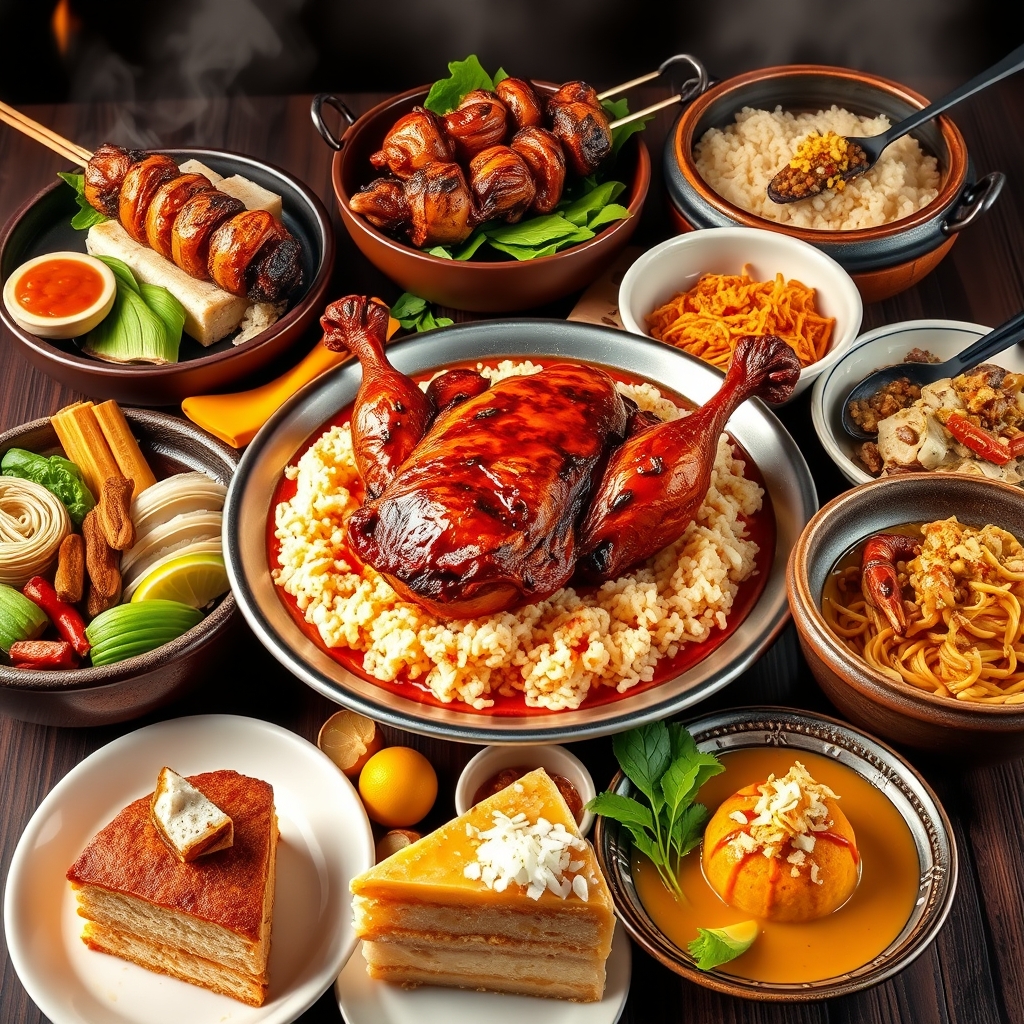
Hailing from the island of Lombok, Ayam Taliwang is a dish that commands attention with its bold, smoky flavors. The star of this dish is grilled chicken, marinated in a potent blend of chili, garlic, shallots, and shrimp paste, then basted with a rich, spicy sauce made from tamarind, palm sugar, and bird’s eye chilies. The name “Taliwang” refers to a village in Mataram, where the dish originated, and it’s traditionally cooked over coconut husk fires, giving it a distinct charred aroma. Served with plecing kangkung (spicy water spinach) and a side of steamed rice, Ayam Taliwang is a fiery celebration of Lombok’s culinary prowess. For those who love heat, this dish is a must-try, but be warned—it’s not for the faint of heart.
The Unique Charm of Sate Klatak from Bantul
While satay is a staple across Indonesia, Sate Klatak from Bantul, Yogyakarta, stands out for its unconventional preparation. Unlike traditional satay, which uses bamboo skewers, Sate Klatak is threaded onto iron rods, giving it a rustic, almost medieval appearance. The meat—usually goat or lamb—is marinated in a simple mix of salt, turmeric, and coriander before being grilled over an open flame. The iron skewers conduct heat directly into the meat, resulting in a juicy, slightly charred exterior with a tender, flavorful interior. Served with a side of lontong (compressed rice cakes) and a spicy sambal, this dish is a testament to the ingenuity of Javanese street food culture. Its name, “klatak,” even mimics the sound of the iron skewers clinking together as they’re turned over the fire.
The Sweet and Savory Symphony of Nasi Liwet Solo
In the heart of Central Java, Nasi Liwet Solo
is a dish that embodies the elegance of Javanese cuisine. Unlike the more common Nasi Uduk or Nasi Kuning, Nasi Liwet is cooked in coconut milk and broth, infused with fragrant spices like lemongrass, galangal, and bay leaves. The rice is often served with a variety of accompaniments, including shredded chicken, tempeh, hard-boiled eggs, and a rich, caramelized coconut sauce. What makes Nasi Liwet truly special is its preparation—traditionally cooked in a clay pot over an open fire, which imparts a subtle smokiness to the dish. It’s a staple at Javanese celebrations, from weddings to religious ceremonies, and its comforting flavors make it a beloved comfort food for locals and visitors alike. For those who crave a hearty, meaty dish, Coto Makassar is a revelation. Originating from Makassar in South Sulawesi, this rich soup is made from slow-cooked beef or buffalo, simmered for hours with a blend of spices that includes turmeric, coriander, and candlenuts. The broth is thickened with ground peanuts and served with ketupat (rice cakes), fried shallots, and a squeeze of lime. What sets Coto Makassar apart is its use of offal—such as intestines, lungs, and tripe—which adds a unique texture and depth of flavor. It’s a dish that reflects the resourcefulness of Makassar’s culinary traditions, where no part of the animal goes to waste. Often enjoyed as a breakfast dish, Coto Makassar is a warming, satisfying meal that lingers in your memory long after the last spoonful. From the northern tip of Sumatra comes Mie Aceh Kepiting, a noodle dish that showcases the region’s love for bold, aromatic flavors. Unlike the more famous Mie Goreng, Mie Aceh is characterized by its thick, chewy noodles, which are stir-fried with a generous amount of crab meat, shrimp, and a rich, spiced curry sauce. The dish is flavored with a blend of shallots, garlic, turmeric, and chili, giving it a deep, complex taste that’s both spicy and slightly sweet. Garnished with fried shallots, lime, and a side of emping (melinjo crackers), Mie Aceh Kepiting is a dish that balances heat, umami, and texture in every bite. It’s a testament to Aceh’s culinary heritage, influenced by its proximity to the sea and its history as a trading hub. Indonesia’s culinary diversity isn’t limited to savory dishes—its desserts are equally captivating. Klappertaart Manado, a coconut custard cake from North Sulawesi, is a prime example. This Dutch-influenced dessert features a soft, fluffy cake layered with a creamy coconut custard, topped with toasted coconut flakes, and baked until golden. The name “klappertaart” translates to “coconut tart,” and it’s a beloved treat in Manado, often served at special occasions. The contrast between the moist cake and the rich, tropical coconut filling makes it a dessert worth savoring. It’s a sweet reminder of Indonesia’s colonial history and the fusion of flavors that define its cuisine. Exploring Indonesia’s regional dishes is like uncovering a treasure trove of flavors, each with its own story and cultural significance. These hidden gems are more than just meals—they’re a celebration of the country’s diversity, creativity, and deep-rooted traditions. Whether you’re a seasoned traveler or an armchair foodie, seeking out these dishes is a journey worth taking. After all, the best way to understand a culture is through its food, and Indonesia’s culinary landscape is a feast for the senses that never fails to surprise and delight.The Bold and Hearty Coto Makassar from South Sulawesi
The Delicate Balance of Mie Aceh Kepiting
The Unexpected Delight of Klappertaart Manado