Mastering the Art of Nasi Goreng Spesial: A Step-by-Step Guide
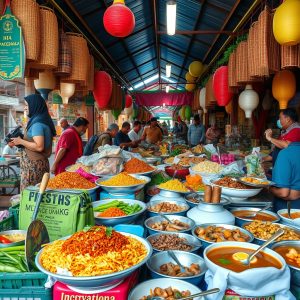
Few dishes capture the vibrant spirit of Indonesian cuisine quite like Nasi Goreng Spesial. This beloved fried rice isn’t just a meal—it’s a celebration of bold flavors, aromatic spices, and a rich culinary heritage that dates back centuries. Whether you’re a seasoned home cook or a curious food enthusiast, mastering this dish will transport your taste buds straight to the bustling streets of Jakarta or the cozy warungs of Bali. Let’s dive into the origins, ingredients, and step-by-step process of creating an authentic Nasi Goreng Spesial that rivals your favorite Indonesian eatery.
The Origins of Nasi Goreng Spesial
The story of Nasi Goreng begins with practicality. In Indonesia, where rice is a dietary staple, fried rice emerged as a clever way to repurpose leftover rice, reducing waste while creating something entirely new. The word goreng means “fried” in Indonesian, and nasi simply means “rice,” but the dish is far from ordinary. Over time, Nasi Goreng evolved into a canvas for creativity, with regional variations and personal touches shaping its identity.
The “Spesial” (or “special”) version elevates the dish further by incorporating a medley of proteins, vegetables, and a fried egg, often crowned with crispy shallots and served with kerupuk (shrimp crackers) or acar (pickled vegetables). Some historians trace its roots to Chinese immigrants who introduced stir-frying techniques to the archipelago, while others believe it was influenced by Dutch colonial cuisine. Regardless of its origins, Nasi Goreng Spesial has become a symbol of Indonesia’s diverse cultural tapestry, enjoyed by millions across the globe.
The Key Ingredients: What Makes It Special
At the heart of Nasi Goreng Spesial is a harmonious blend of ingredients that deliver a symphony of flavors—savory, sweet, spicy, and umami. Here’s what you’ll need to create an authentic version at home:
The Rice
Day-old, cold rice is non-negotiable. Freshly cooked rice is too moist and will turn mushy when stir-fried. Jasmine rice or long-grain white rice works best, as its slightly sticky texture holds up well to the high heat of the wok. If you don’t have leftover rice, spread freshly cooked rice on a tray and refrigerate it for at least 30 minutes to dry it out.
The Aromatics and Spices
The soul of Nasi Goreng lies in its bumbu (spice paste). A traditional bumbu includes shallots, garlic, red chilies, and sometimes shrimp paste (terasi), all ground into a fragrant paste. For an extra layer of depth, some recipes call for tamarind paste or kecap manis (Indonesian sweet soy sauce), which adds a caramelized sweetness that balances the heat and saltiness.
The Proteins
Nasi Goreng Spesial is a protein lover’s dream. Chicken, shrimp, and beef are common additions, but you can also use tofu or tempeh for a vegetarian twist. For the best results, marinate your protein in a mix of soy sauce, garlic, and a pinch of sugar before cooking. This ensures every bite is packed with flavor.
The Vegetables
Vegetables add color, texture, and freshness to the dish. Common choices include carrots, green beans, cabbage, and bean sprouts. For a pop of color, toss in some red bell peppers or scallions. The key is to cut them into small, uniform pieces so they cook quickly and evenly.
The Finishing Touches
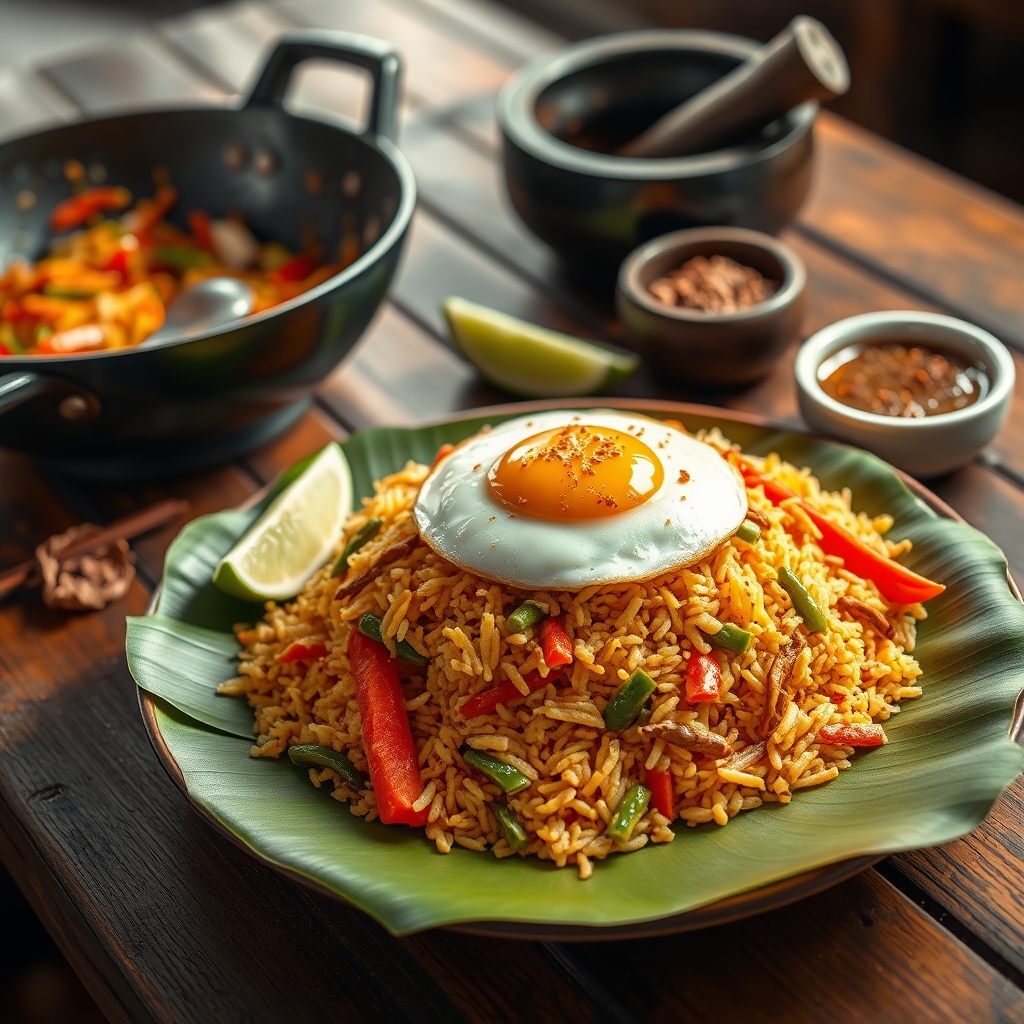
No Nasi Goreng Spesial is complete without a fried egg on top, its runny yolk acting as a decadent sauce. Crispy fried shallots, a sprinkle of fried garlic, and a side of kerupuk or acar elevate the dish to restaurant-quality status. A squeeze of lime or a drizzle of sambal (chili paste) adds the perfect finishing touch.
Step-by-Step Recipe: How to Make Nasi Goreng Spesial
Now that you’re familiar with the ingredients, let’s walk through the process of making Nasi Goreng Spesial at home. This recipe serves 2-3 people and takes about 30 minutes from start to finish.
Step 1: Prepare the Bumbu
In a mortar and pestle or a small food processor, combine 4 shallots, 3 cloves of garlic, 2-3 red chilies (adjust to taste), and 1 teaspoon of shrimp paste (optional). Grind into a smooth paste. If you don’t have a mortar and pestle, finely mince the ingredients and mix them together. This paste is the flavor foundation of your dish, so take your time to get it right.
Step 2: Cook the Protein
Heat 1 tablespoon of oil in a wok or large skillet over medium-high heat. Add your choice of protein—chicken, shrimp, or tofu—and cook until browned and nearly done. Remove the protein from the wok and set it aside. This step ensures your protein is cooked through without overcooking it during the stir-fry.
Step 3: Stir-Fry the Aromatics and Vegetables
In the same wok, add another tablespoon of oil and heat it over medium-high heat. Add the bumbu paste and stir-fry for 1-2 minutes until fragrant. Be careful not to let it burn. Add your vegetables—carrots, green beans, and cabbage work well—and stir-fry for 2-3 minutes until they begin to soften. If you’re using bean sprouts, add them last to retain their crunch.
Step 4: Add the Rice and Seasonings
Increase the heat to high and add the cold rice to the wok. Break up any clumps with your spatula and stir-fry for 2-3 minutes until the rice is heated through. Drizzle 2 tablespoons of kecap manis and 1 tablespoon of regular soy sauce over the rice. Add a pinch of salt and white pepper to taste. Stir everything together, ensuring the rice is evenly coated with the sauces and spices.
Step 5: Incorporate the Protein and Finish
Return the cooked protein to the wok and toss everything together. Cook for another 1-2 minutes to heat the protein through. Taste and adjust the seasoning if needed—add more kecap manis for sweetness or soy sauce for saltiness.
Step 6: Plate and Garnish
Divide the Nasi Goreng between plates. Top each serving with a fried egg, crispy shallots, and a sprinkle of fried garlic. Serve with kerupuk, acar, and a wedge of lime on the side. For an extra kick, offer sambal or chili sauce at the table.
Tips for Variations and Serving Suggestions
One of the joys of Nasi Goreng Spesial is its versatility. Here are a few ways to customize the dish to suit your preferences:
Vegetarian or Vegan Options
Swap the shrimp paste for miso or soy sauce, and use tofu or tempeh as your protein. For a vegan version, omit the egg or replace it with a vegan alternative like scrambled tofu. Load up on vegetables like mushrooms, bell peppers, and spinach for extra flavor and texture.
Seafood Lovers’ Twist
For a seafood-centric version, use a mix of shrimp, squid, and mussels. Add a splash of fish sauce or a squeeze of lime juice to brighten the flavors. Garnish with fresh cilantro and a sprinkle of toasted coconut for a tropical twist.
Extra Spicy
If you love heat, add more chilies to the bumbu or stir in a spoonful of sambal oelek or gochujang during the cooking process. You can also serve the dish with extra chili sauce on the side for those who want to turn up the heat.
Breakfast Nasi Goreng
Turn Nasi Goreng Spesial into a hearty breakfast by adding a side of bacon or sausage. Top it with a sunny-side-up egg and serve with a cup of strong Indonesian coffee or teh tarik (pulled tea) for the ultimate morning feast.
Beyond the variations, presentation plays a key role in making your Nasi Goreng Spesial feel like a restaurant-worthy dish. Serve it on a banana leaf for an authentic touch, or use a colorful plate to make the vibrant ingredients pop. Pair it with a cold glass of es teh manis (sweet iced tea) or a refreshing es jeruk (orange juice) to balance the bold flavors. Whether you’re cooking for a weeknight dinner or a weekend brunch, this dish is sure to impress.
There’s something magical about the way Nasi Goreng Spesial brings people together. It’s a dish that tells a story—of Indonesia’s rich history, its love for bold flavors, and the simple joy of sharing a meal with loved ones. As you take your first bite, the crispy shallots crackling under your teeth, the runny yolk of the egg enveloping the fragrant rice, and the perfect balance of sweet, spicy, and savory flavors dancing on your tongue, you’ll understand why this dish has stood the test of time. So, grab your wok, gather your ingredients, and let the aroma of sizzling spices fill your kitchen as you create your own masterpiece.