A Culinary Journey Through Indonesia: Exploring Iconic Regional Dishes
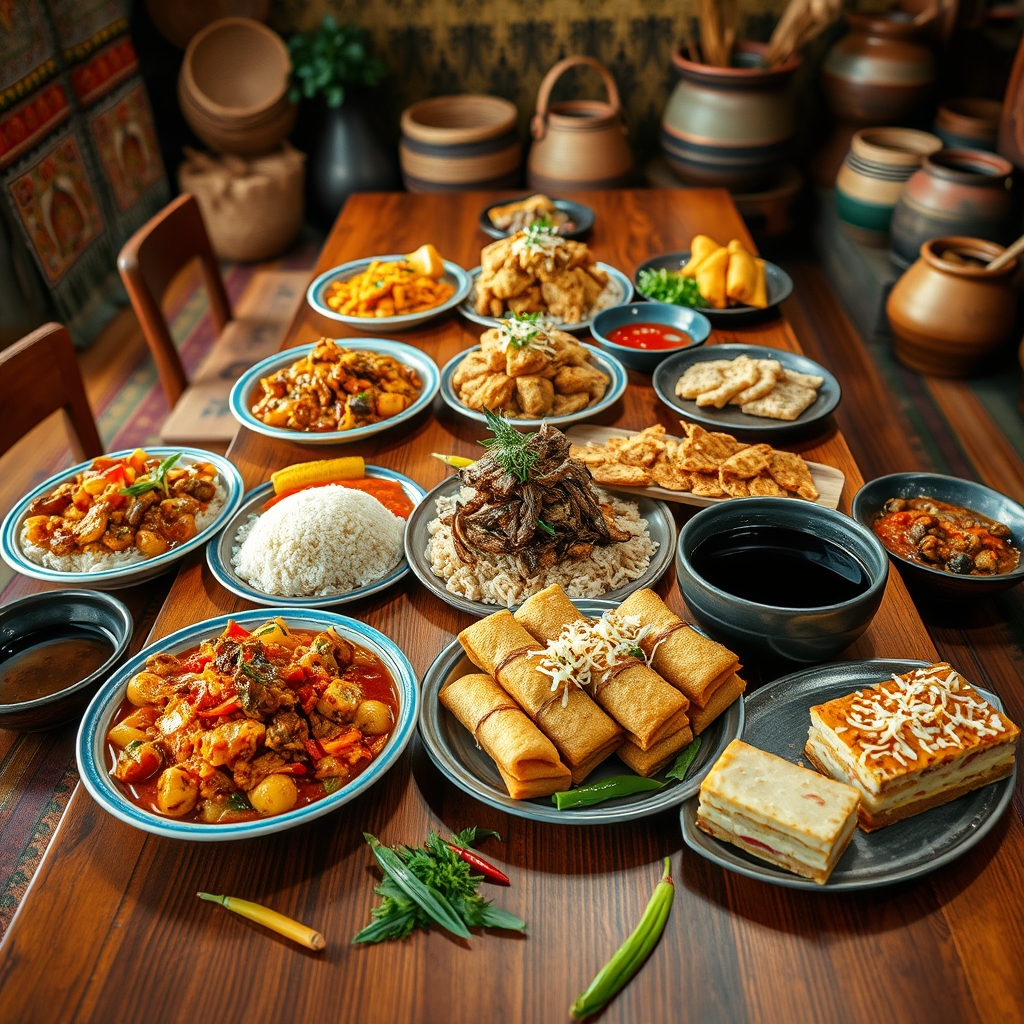
Indonesia is a vast archipelago with a rich tapestry of cultures, traditions, and flavors. Each region boasts its own culinary masterpieces, shaped by history, geography, and local ingredients. From the fiery spices of Aceh to the sweet and savory delights of Java, Indonesian cuisine is a celebration of diversity. Let’s embark on a flavorful journey to discover some of the most iconic regional dishes that define the nation’s gastronomic identity.
The Spice-Infused Delights of Sumatra
Nasi Padang Minangkabau: A Feast of Flavors
Originating from West Sumatra, Nasi Padang is a culinary experience like no other. This dish is a symphony of small plates filled with rich, spicy, and aromatic curries, grilled meats, and vegetables, all served with steamed rice. The Minangkabau people are known for their bold use of spices, and Nasi Padang is a testament to their mastery. Dishes like rendang (slow-cooked beef in coconut milk and spices), gulai (a rich curry), and dendeng balado (spicy dried beef) are staples. The beauty of Nasi Padang lies in its variety—diners can pick and choose from an array of dishes, creating a personalized feast.
Mie Aceh Kepiting: A Taste of the Ocean
Aceh, located at the northern tip of Sumatra, is famous for its seafood and robust flavors. Mie Aceh Kepiting is a standout dish, featuring thick yellow noodles stir-fried with succulent crab meat, aromatic spices, and a touch of chili. The dish is often garnished with fried shallots, lime, and emping (melinjo crackers), adding layers of texture and flavor. The influence of Indian and Middle Eastern cuisines is evident in the generous use of spices like turmeric, coriander, and cumin, making Mie Aceh a dish that lingers on the palate.
Ayam Tangkap: Aceh’s Signature Fried Chicken
Ayam Tangkap is another gem from Aceh, where chicken is marinated in a blend of local spices, including lemongrass, galangal, and turmeric, before being deep-fried to crispy perfection. What sets this dish apart is the addition of fresh herbs like basil and torch ginger flowers, which are tossed with the chicken just before serving. The result is a fragrant, crunchy, and flavorful dish that captures the essence of Acehnese cuisine.
The Sweet and Savory Wonders of Java
Gudeg Yu Djum: Yogyakarta’s Sweet Jackfruit Stew
Gudeg is a traditional dish from Yogyakarta, made from young jackfruit slow-cooked in coconut milk and palm sugar until tender and caramelized. The version served at Gudeg Yu Djum, a legendary eatery in Yogyakarta, is particularly famous for its rich, sweet, and slightly savory flavor. Gudeg is often paired with chicken, hard-boiled eggs, and krecek (spicy cow skin crackers), creating a harmonious balance of textures and tastes. This dish is a must-try for anyone visiting Java, offering a unique blend of sweetness and spice.
Sate Klatak Bantul: The Unique Skewered Delight
Sate Klatak is a specialty of Bantul, near Yogyakarta, and stands out from other satay varieties due to its preparation. Unlike traditional satay, which is grilled over charcoal, Sate Klatak is cooked over an open flame using iron skewers, giving the meat a distinct smoky flavor. The skewers are made from goat or lamb, marinated in a simple blend of salt and turmeric, and served with a side of kecap manis (sweet soy sauce) and spicy sambal. The simplicity of the dish allows the natural flavors of the meat to shine, making it a favorite among locals and visitors alike.
Nasi Liwet Solo: A Comforting Rice Dish
Nasi Liwet is a fragrant rice dish from Solo, Central Java, cooked in coconut milk, chicken broth, and spices like lemongrass, galangal, and bay leaves. The rice is often served with chicken, tempeh, and a side of krecek, creating a comforting and hearty meal. The dish is traditionally cooked in a clay pot, which enhances its aroma and flavor. Nasi Liwet is a staple at celebrations and gatherings, symbolizing warmth and togetherness.
The Bold and Hearty Flavors of Eastern Indonesia
Ayam Taliwang Lombok: The Spicy Grilled Chicken
Hailing from Lombok, Ayam Taliwang is a fiery grilled chicken dish that packs a punch. The chicken is marinated in a blend of chili, garlic, shallots, and shrimp paste, then grilled over charcoal until smoky and tender. It is typically served with plecing kangkung (spicy water spinach) and a side of sambal, making it a favorite among spice lovers. The dish’s name is derived from the Taliwang district in Lombok, where it originated, and it has since become a symbol of the island’s bold culinary traditions.
Coto Makassar Asli: Sulawesi’s Rich Beef Soup
Coto Makassar is a hearty beef soup from South Sulawesi, made with slow-cooked beef, offal, and a rich broth flavored with spices like coriander, cumin, and turmeric. The dish is traditionally served with ketupat (compressed rice cakes) and a side of sambal and lime. The unique texture of the beef, combined with the aromatic broth, makes Coto Makassar a comforting and satisfying meal. It is often enjoyed as a breakfast dish, providing a hearty start to the day.
Klappertaart Manado: A Tropical Coconut Cake
For those with a sweet tooth, Klappertaart from Manado is a must-try. This Dutch-influenced dessert is a soft, moist cake made with fresh coconut, milk, and a hint of vanilla. The cake is baked until golden and topped with a layer of toasted coconut flakes, giving it a delightful crunch. Klappertaart is a perfect example of how Indonesian cuisine blends local ingredients with colonial influences, creating a dessert that is both familiar and unique.
A Taste of Indonesia’s Coastal Delights
Rawon Setan Surabaya: The Devil’s Beef Stew
Rawon is a dark, rich beef stew from East Java, known for its deep black color derived from the use of keluak nuts. The version served at Rawon Setan in Surabaya is particularly famous for its intense flavor and generous portions. The stew is made with beef, spices, and a touch of sweet soy sauce, creating a complex and savory dish. It is typically served with rice, bean sprouts, and sambal, offering a balance of textures and flavors. The name “Setan” (devil) refers to the late-night hours when the dish is traditionally served, adding a touch of mystique to this culinary gem.
Pempek Kapal Selam: Palembang’s Iconic Fish Cake
Pempek is a beloved dish from Palembang, South Sumatra, made from fish and tapioca dough, shaped into various forms, and served with a tangy, sweet, and spicy sauce called cuko. The Kapal Selam (submarine) variety is particularly popular, featuring a whole egg inside the fish cake, creating a delightful surprise with every bite. Pempek is often enjoyed as a snack or a light meal, showcasing the creativity and ingenuity of Palembang’s culinary traditions.
Lumpia Semarang Rebung: The Crispy Spring Rolls
Lumpia Semarang is a crispy spring roll from Semarang, Central Java, filled with bamboo shoots, chicken, and shrimp. The rolls are deep-fried until golden and served with a sweet and savory sauce. The dish is a fusion of Chinese and Javanese influences, reflecting the multicultural history of Semarang. Lumpia Semarang is a popular street food, loved for its crunchy texture and flavorful filling.
Indonesia’s culinary landscape is as diverse as its people, with each region offering a unique blend of flavors, textures, and traditions. From the spicy delights of Sumatra to the sweet and savory dishes of Java, and the bold flavors of Eastern Indonesia, the country’s cuisine is a testament to its rich cultural heritage. Exploring these iconic dishes is not just a journey for the taste buds but also an opportunity to connect with the stories, history, and people behind them. Whether you’re a seasoned traveler or a curious foodie, Indonesia’s culinary treasures are sure to leave a lasting impression, inviting you to savor every bite and discover the magic of its flavors.