Indonesia’s Culinary Labyrinth: Navigating the Bold and Nuanced Flavors of Regional Street Food
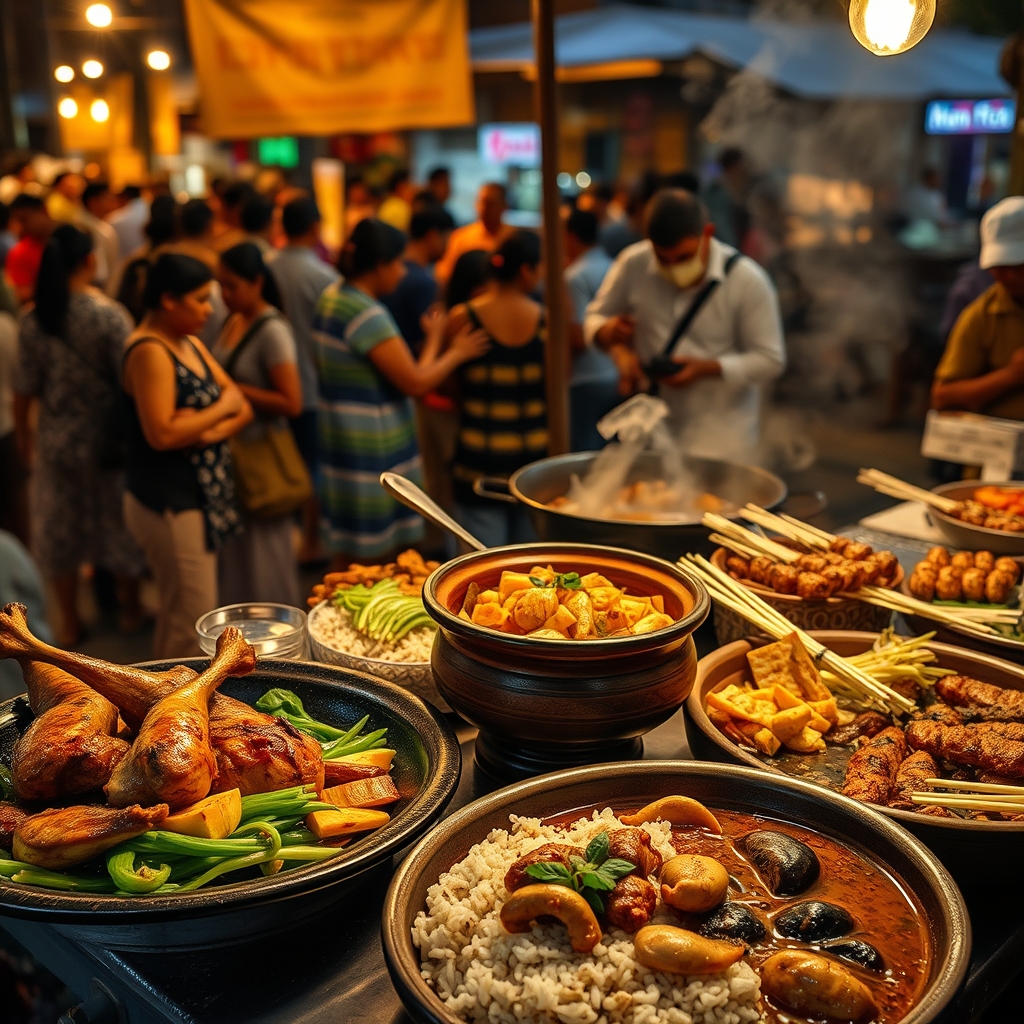
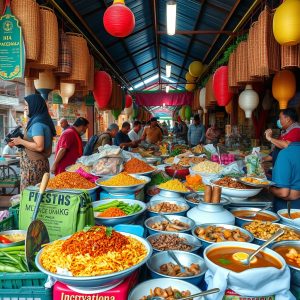
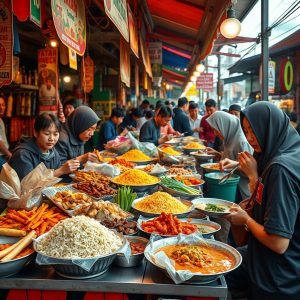
Indonesia’s streets hum with the sizzle of woks, the aromatic dance of spices, and the symphony of flavors that tell stories of culture, history, and community. Beyond the well-trodden path of satay and rendang lies a labyrinth of regional street food, each dish a testament to the ingenuity of local ingredients and the soul of its people. These are not just meals; they are experiences that linger on the palate and in the memory, inviting you to explore the nuances of Indonesia’s culinary diversity.
The Fiery Allure of Lombok’s Ayam Taliwang
In the heart of Lombok, where the air is thick with the scent of grilled chicken and chili, Ayam Taliwang reigns supreme. This dish is a masterclass in balancing heat, sweetness, and tanginess, with chicken marinated in a paste of shallots, garlic, chili, and tamarind, then grilled over an open flame. The result is a smoky, spicy, and slightly charred delight, often served with plecing kangkung—a water spinach salad drenched in a fiery sambal. The dish is a reflection of Lombok’s bold spirit, where every bite is a dance between fire and flavor.
The Sweet and Savory Harmony of Solo’s Nasi Liwet
Travel east to Solo, and you’ll encounter Nasi Liwet, a dish that embodies the elegance of Javanese cuisine. Unlike its more famous cousin, nasi goreng, Nasi Liwet is a fragrant rice dish cooked in coconut milk, chicken broth, and a blend of spices like lemongrass, galangal, and bay leaves. The rice is often served with chicken, tempeh, and a hard-boiled egg, creating a harmonious blend of textures and flavors. The dish is traditionally cooked in a clay pot, which infuses the rice with an earthy aroma, making it a comforting yet sophisticated street food staple.
The Mysterious Depths of Surabaya’s Rawon Setan
Surabaya’s Rawon Setan
is not for the faint of heart. Named after the devil (setan) for its late-night availability and intense flavor, this beef soup is a dark, rich concoction made with keluak nuts, which lend it a deep, almost mystical color and a nutty, earthy taste. The soup is spiced with garlic, shallots, and turmeric, and often served with bean sprouts, salted eggs, and a side of sambal for an extra kick. Rawon Setan is a dish that demands to be savored slowly, each spoonful revealing layers of complexity that reflect the grit and resilience of Surabaya’s culinary scene. In the quiet town of Bantul, near Yogyakarta, Sate Klatak
offers a unique twist on the classic satay. Unlike traditional satay, which is made with marinated meat, Sate Klatak uses chunks of goat or lamb that are skewered and grilled over an open flame without any marinade. The meat is seasoned simply with salt and sometimes a touch of turmeric, allowing the natural flavors to shine. The skewers are made from bicycle spokes, giving the dish its name (klatak refers to the sound of the metal skewers clinking together). The result is a crispy, juicy, and slightly smoky satay that is as much about the technique as it is about the taste. On the shores of Sulawesi, Coto Makassar is a dish that tells the story of Makassar’s maritime heritage. This hearty soup is made with beef or buffalo meat, offal, and a rich broth flavored with roasted peanuts, turmeric, and lemongrass. The dish is often served with ketupat (compressed rice cakes) and a side of sambal, creating a balance of textures and flavors. Coto Makassar is a dish that warms the soul, its robust flavors a testament to the resourcefulness of Makassar’s coastal communities. In the northern tip of Sumatra, Mie Aceh Kepiting is a dish that captures the bold flavors of Acehnese cuisine. This noodle dish is made with thick, chewy egg noodles stir-fried with crab, shrimp, and a rich, spicy curry-like sauce made from shallots, garlic, chili, and turmeric. The dish is often garnished with fried shallots and served with a side of emping (melinjo crackers) for added crunch. Mie Aceh Kepiting is a celebration of Aceh’s coastal bounty, where the sea meets the spice in a symphony of flavors. No exploration of Indonesia’s street food would be complete without a detour to Manado, where Klappertaart offers a sweet respite from the savory delights. This coconut custard cake is a fusion of Dutch and Indonesian influences, with a soft, fluffy texture and a rich coconut flavor. The cake is often baked in a round tin and served with a sprinkle of toasted coconut on top. Klappertaart is a reminder that Indonesia’s culinary landscape is not just about spice and heat, but also about the delicate balance of sweetness and texture. Indonesia’s regional street food is a journey through the country’s soul, where every dish is a chapter in a larger story. From the fiery streets of Lombok to the coastal kitchens of Makassar, these flavors are not just meant to be tasted—they are meant to be experienced, shared, and remembered. Whether you’re a seasoned traveler or a curious foodie, the labyrinth of Indonesia’s culinary treasures awaits, ready to surprise, delight, and inspire.The Crispy Delight of Bantul’s Sate Klatak
The Coastal Charms of Makassar’s Coto Makassar
The Spicy Elegance of Aceh’s Mie Aceh Kepiting
The Sweet Indulgence of Manado’s Klappertaart