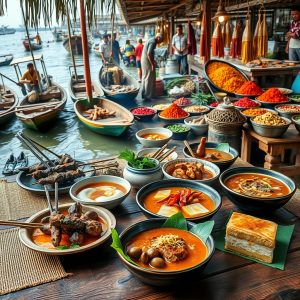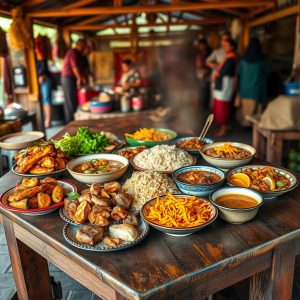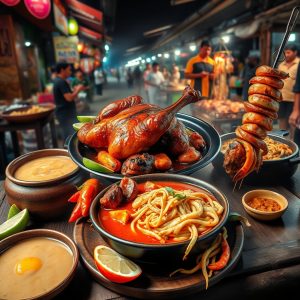
Indonesia’s Culinary Alchemy: How Regional Dishes Transform Simple Ingredients into Masterpieces
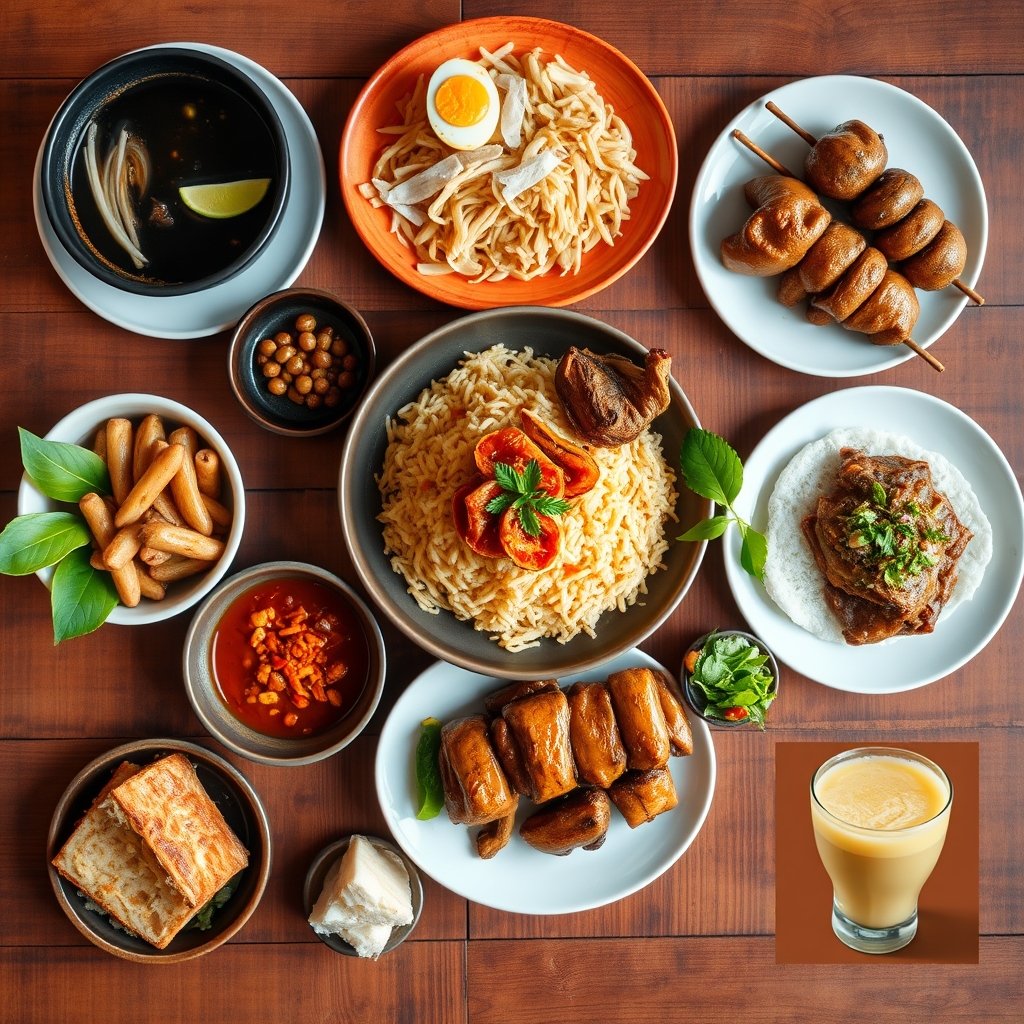
Indonesia’s culinary landscape is a testament to the art of transformation—where humble ingredients are elevated into dishes that tell stories of culture, history, and ingenuity. Each region boasts its own alchemy, turning rice, spices, meats, and even offal into masterpieces that linger in memory long after the last bite. These dishes are not just meals; they are rituals, passed down through generations, each with a technique as unique as the hands that prepare them.
The Magic of Slow Cooking: Gudeg Yu Djum and Nasi Liwet Solo
In the heart of Java, the slow dance of time and patience gives birth to two iconic dishes: Gudeg Yu Djum and Nasi Liwet Solo. Gudeg, Yogyakarta’s beloved jackfruit stew, is a symphony of sweet and savory, where young jackfruit is simmered for hours in coconut milk and palm sugar until it melts like caramel. The secret lies in the gula jawa (palm sugar), which infuses the dish with a deep, molasses-like richness, while the addition of teak leaves lends a subtle earthiness. Served with steamed rice, crispy fried chicken, and a side of krecek (spicy cow skin), Gudeg is a dish that demands to be savored slowly, bite by bite.
Meanwhile, in Solo, Nasi Liwet is a dish that turns rice into something ethereal. Cooked in coconut milk, chicken broth, and a blend of spices like lemongrass, galangal, and bay leaves, the rice absorbs the flavors until it becomes fragrant and slightly sticky. Traditionally served with shredded chicken, boiled egg, and opor ayam (a mild coconut curry), Nasi Liwet is often enjoyed during special occasions, its creamy texture and aromatic depth making it a comfort food like no other.
The Bold and the Brave: Rawon Setan and Ayam Taliwang
For those who crave intensity, Indonesia delivers with dishes that pack a punch—both in flavor and legend. Rawon Setan, Surabaya’s infamous black beef soup, is a dish shrouded in mystery. Its inky hue comes from the keluak nut, a rare and potent ingredient that imparts a deep, earthy bitterness balanced by the warmth of garlic, shallots, and a touch of tamarind. The name Setan (devil) hints at its fiery reputation, with some versions so spicy they’re said to leave even the bravest eaters reaching for a glass of es teh manis. Served with rice, bean sprouts, and a side of emping (melinjo crackers), Rawon Setan is not for the faint of heart—it’s a dish that commands respect.
On the island of Lombok, Ayam Taliwang takes grilled chicken to another level. Marinated in a paste of shallots, garlic, chili, and shrimp paste, the chicken is grilled over an open flame until charred and smoky. But the real magic happens when it’s slathered with plecing sauce—a fiery concoction of chili, tomato, and lime that cuts through the richness of the meat. The result is a dish that’s sweet, spicy, salty, and tangy all at once, a perfect representation of Lombok’s bold culinary spirit.
The Art of Street Food: Sate Klatak and Tahu Tek
Indonesia’s street food scene is where some of its most ingenious dishes come to life. In Bantul, near Yogyakarta, Sate Klatak stands out for its simplicity and depth of flavor. Unlike traditional satay, which is often marinated in sweet soy sauce, Sate Klatak is made from chunks of goat or lamb skewered on bamboo or iron rods and grilled over charcoal. The meat is seasoned only with salt, allowing its natural flavors to shine, and served with a side of sambal kecap (a spicy soy sauce dip). The name klatak comes from the sound the skewers make when they hit the grill—a testament to the dish’s rustic charm.
In Surabaya, Tahu Tek is a street food marvel that turns tofu into a canvas for creativity. The dish starts with fried tofu, which is then smothered in a thick, nutty sauce made from peanuts, garlic, and sweet soy sauce. Topped with bean sprouts, lontong (compressed rice cakes), and a sprinkle of fried shallots, Tahu Tek is a textural masterpiece—crunchy, creamy, and chewy all at once. The final touch? A drizzle of petis (shrimp paste sauce) for an umami kick that ties everything together.
The Sweet and the Unexpected: Klappertaart and Es Pisang Ijo
Indonesian cuisine isn’t just about savory delights—it also has a sweet side that’s just as inventive. In Manado, Klappertaart is a dessert that transforms coconut into a creamy, custard-like treat. Made with young coconut, milk, and a hint of vanilla, the cake is baked until golden and served with a sprinkle of toasted coconut flakes. The contrast of the soft, jiggly interior and the crispy top makes it irresistible, a perfect example of how simple ingredients can be turned into something extraordinary.
Meanwhile, in Makassar, Es Pisang Ijo is a refreshing dessert that turns bananas into a vibrant green masterpiece. The bananas are coated in a pandan-flavored batter, steamed until tender, and then served with shaved ice, coconut milk, and palm sugar syrup. The result is a dish that’s as visually stunning as it is delicious—a cool, sweet escape from the tropical heat.
The Legacy of Spice and Soul
What makes these dishes truly remarkable is not just their flavors, but the stories they carry. Each recipe is a thread in the tapestry of Indonesia’s culinary history, a testament to the resourcefulness and creativity of its people. Whether it’s the slow-cooked richness of Gudeg, the fiery boldness of Ayam Taliwang, or the sweet simplicity of Klappertaart, these dishes remind us that food is more than sustenance—it’s a celebration of culture, tradition, and the endless possibilities that come from turning the ordinary into the extraordinary.