Indonesia’s Culinary Palette: The Regional Dishes That Paint Stories of Spice, Sea, and Soil
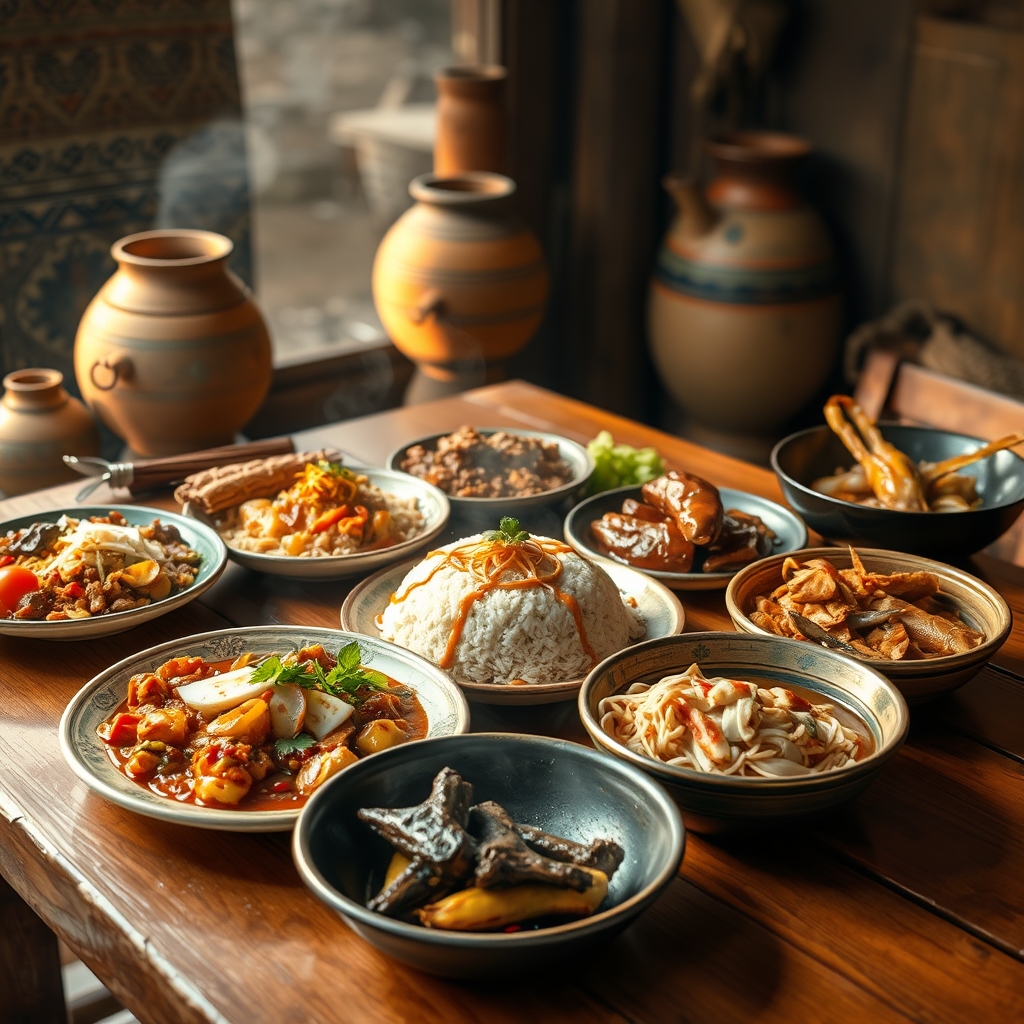
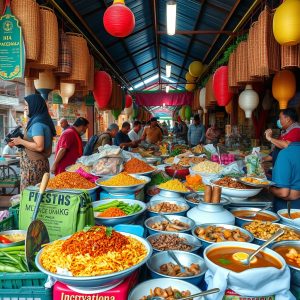
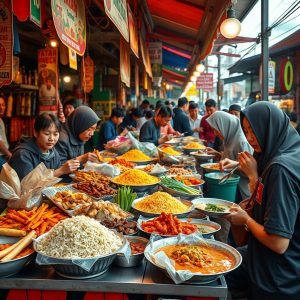
Indonesia’s culinary landscape is a vibrant tapestry woven with threads of history, culture, and geography. Each region boasts dishes that are not just meals but narratives—stories of trade, migration, and the land itself. From the fiery spices of Aceh to the sweet, coconut-infused flavors of Manado, these dishes are a testament to the archipelago’s diversity, where every bite carries the essence of its origins. To explore these flavors is to embark on a journey through time and tradition, where food is more than sustenance; it is identity.
The Spice-Laden Legacy of Nasi Padang Minangkabau
Few dishes encapsulate the boldness of Indonesian cuisine like Nasi Padang. Originating from the Minangkabau people of West Sumatra, this dish is a symphony of flavors served in small, tantalizing portions. The rice, steamed to perfection, is accompanied by an array of dishes—rendang, a slow-cooked beef dish rich with coconut milk and spices; gulai, a curry-like stew with tender meat or vegetables; and sambal, the fiery chili paste that ties it all together. The Minangkabau tradition of serving Nasi Padang on a table laden with dishes reflects their philosophy of adat (custom) and siri (honor), where generosity and abundance are celebrated.
The spices used in Nasi Padang—turmeric, galangal, lemongrass, and chili—are not just ingredients but storytellers. They trace back to the spice trade routes that once made Indonesia the jewel of the ancient world. The Dutch, Portuguese, and Arab traders who passed through these lands left behind more than just goods; they left behind flavors that would shape the region’s culinary identity. Today, Nasi Padang stands as a reminder of this legacy, a dish that is as much about history as it is about taste.
The Sweet and Savory Harmony of Gudeg Yu Djum
In the heart of Java, Gudeg is a dish that defies expectations. Unlike the fiery flavors of Sumatra or the tangy notes of Sulawesi, Gudeg is a slow-cooked jackfruit stew that balances sweetness and savory in a way that is uniquely Javanese. The dish is traditionally cooked in large clay pots over wood fires for hours, allowing the jackfruit to absorb the flavors of palm sugar, coconut milk, and spices like coriander and bay leaves. The result is a tender, caramelized delight that pairs perfectly with steamed rice, hard-boiled eggs, and krecek, a spicy cow skin cracker.
Gudeg Yu Djum, a legendary eatery in Yogyakarta, has elevated this dish to an art form. The restaurant’s name, which translates to “Miss Djum’s Gudeg,” pays homage to its founder, a woman who began selling Gudeg from a humble street stall in the 1950s. Today, her legacy lives on in every bowl served, a testament to the power of tradition and the enduring appeal of a dish that has been perfected over generations. The sweetness of Gudeg is not just in its taste but in its story—a story of resilience, community, and the slow, steady rhythm of Javanese life.
The Devilish Allure of Rawon Setan Surabaya
If there’s a dish that embodies the bold, unapologetic spirit of Surabaya, it’s Rawon Setan. This black beef soup, named after the devil (setan) for its late-night allure, is a staple of East Javanese cuisine. The soup’s dark hue comes from the use of keluak, a nut native to the region that imparts a deep, earthy flavor. Combined with garlic, shallots, and a blend of spices, Rawon is a dish that demands attention, its rich, savory broth a perfect match for the tender beef and aromatic rice.
What makes Rawon Setan truly special is its cultural significance. In Surabaya, the dish is often enjoyed as a late-night meal, a tradition that dates back to the city’s bustling port days when workers would gather after long shifts to share a bowl. The name Rawon Setan reflects this nocturnal culture, a playful nod to the idea that only the devilishly hungry would seek it out after midnight. Today, it remains a symbol of Surabaya’s vibrant street food scene, a dish that is as much about camaraderie as it is about flavor.
The Fiery Charms of Ayam Taliwang Lombok
Lombok’s Ayam Taliwang is a dish that doesn’t just warm the soul—it sets it ablaze. This grilled chicken dish, marinated in a paste of chili, garlic, shallots, and shrimp paste, is a testament to the island’s love affair with spice. The chicken is grilled over an open flame, its skin crisping up while the meat remains juicy and infused with the marinade’s bold flavors. Served with plecing kangkung (spicy water spinach) and a side of sambal, Ayam Taliwang is a dish that lingers on the palate long after the last bite.
The origins of Ayam Taliwang are rooted in the Sasak culture of Lombok, where food is not just a meal but a celebration. The dish is often served at gatherings and festivals, its fiery flavors a reflection of the island’s vibrant spirit. The name Taliwang itself refers to a village in Lombok where the dish is said to have originated, a place where the love of spice runs as deep as the island’s volcanic soil. To taste Ayam Taliwang is to experience the heart of Lombok, a place where tradition and flavor collide in the most delicious way.
The Coastal Delights of Mie Aceh Kepiting
On the northern tip of Sumatra, where the Indian Ocean meets the Malacca Strait, Mie Aceh Kepiting is a dish that captures the essence of Aceh’s coastal cuisine. This noodle dish, thick with crab meat and infused with a rich, spiced broth, is a celebration of the sea’s bounty. The noodles, made from wheat flour, are cooked until tender and then tossed with a fragrant paste of shallots, garlic, turmeric, and chili. The crab, fresh from the ocean, adds a sweet, briny depth to the dish, while a squeeze of lime brightens the flavors.
Mie Aceh is more than just a meal; it is a reflection of Aceh’s history as a trading hub. The spices used in the dish—turmeric, coriander, and cumin—are remnants of the region’s past as a stop on the spice route. The crab, a staple of Aceh’s coastal diet, speaks to the region’s deep connection to the sea. Together, they create a dish that is as much about the land as it is about the water, a harmonious blend of flavors that tells the story of a people shaped by their environment.
Indonesia’s regional dishes are more than just food; they are a living, breathing testament to the country’s rich cultural tapestry. Each dish carries within it the stories of the people who created it, the land that nurtured it, and the traditions that have preserved it. To savor these flavors is to connect with the soul of Indonesia, a place where every meal is an invitation to explore, to learn, and to fall in love with the diversity that defines this extraordinary archipelago.