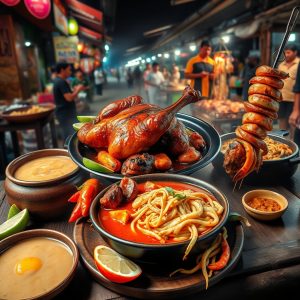
The Spice-Laden Trails: Indonesia’s Regional Dishes That Weave History into Every Bite
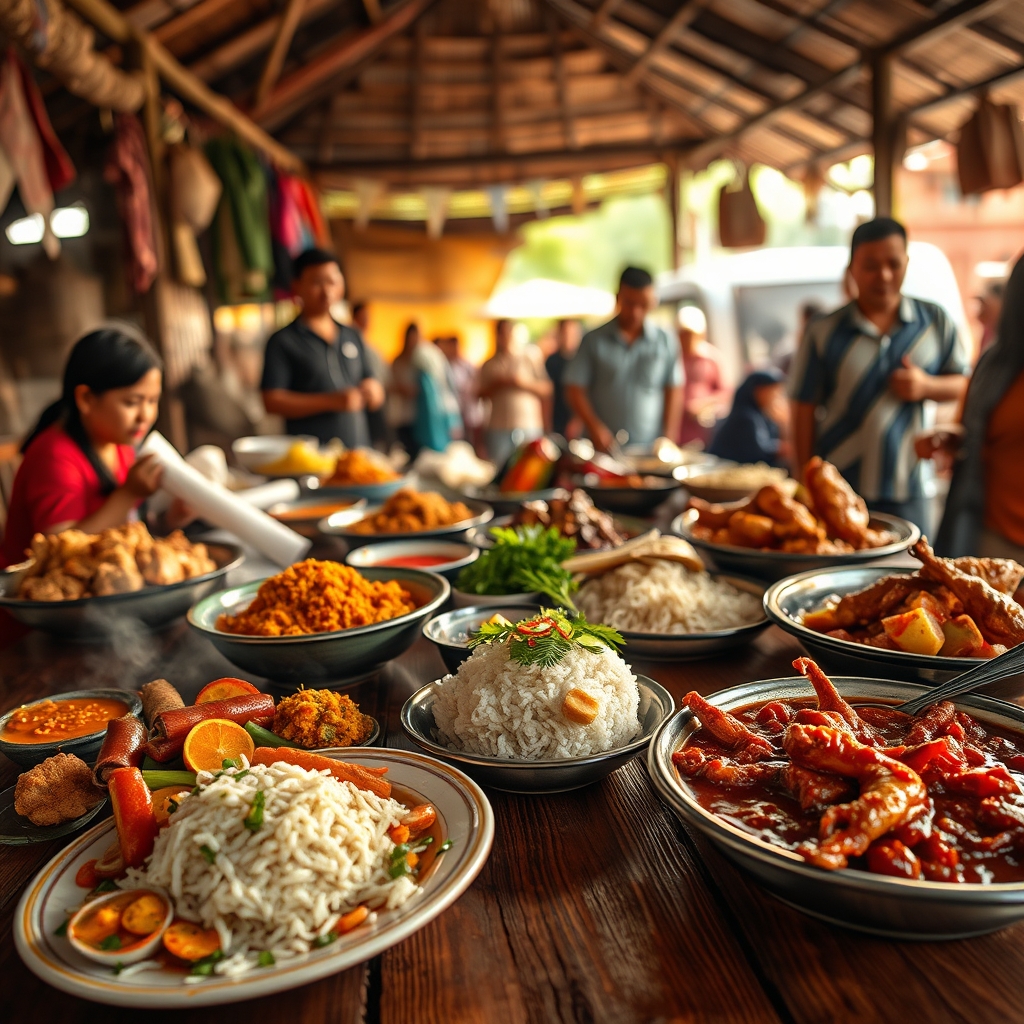
Indonesia’s culinary landscape is a vibrant tapestry of flavors, where each dish tells a story of migration, trade, and tradition. Beyond the well-trodden paths of satay and rendang lies a world of regional specialties, each a testament to the ingenuity of local communities and the bounty of their surroundings. These dishes are not just meals; they are cultural artifacts, passed down through generations, carrying the whispers of the past in every aromatic bite.
The Fiery Allure of West Sumatra: Nasi Padang Minangkabau
Few culinary experiences rival the drama of a Nasi Padang feast. Originating from the Minangkabau people of West Sumatra, this iconic dish is a symphony of small plates—spicy curries, tender beef rendang, crispy fried fish, and tangy sambals—all served atop a mound of steamed rice. The Minangkabau’s matrilineal culture is reflected in their cuisine, where recipes are guarded and perfected by women, ensuring that each dish is a legacy. The bold flavors, rich with turmeric, galangal, and chili, are a testament to the region’s spice trade history, where every ingredient tells a story of commerce and conquest.
The Sweet and Savory Harmony of Yogyakarta: Gudeg Yu Djum
In the heart of Java, Gudeg Yu Djum stands as a beacon of comfort food. This slow-cooked jackfruit stew, simmered for hours in palm sugar and coconut milk, is a masterclass in balancing sweet and savory. The dish is named after its most famous purveyor, Yu Djum, whose recipe has been perfected over decades. The jackfruit, tender and caramelized, is paired with hard-boiled eggs, crispy fried chicken, and a side of krecek—a spicy cow skin cracker. The result is a dish that is as much a part of Yogyakarta’s identity as its ancient temples and royal courts.
The Dark and Mysterious: Rawon Setan Surabaya
Surabaya’s Rawon Setan is not for the faint of heart. This black-hued beef soup, named after the devil himself, is a nocturnal favorite, often enjoyed in the late hours when the city’s energy is at its peak. The soup’s inky color comes from the use of keluak nuts, a rare ingredient that imparts a deep, earthy flavor. The beef, slow-cooked until tender, is complemented by a fragrant blend of shallots, garlic, and lemongrass. Served with a side of rice, bean sprouts, and sambal, Rawon Setan is a dish that commands attention, a bold statement of East Java’s culinary prowess.
The Charcoal-Kissed Delight: Sate Klatak Bantul
Unlike its more famous cousin, Sate Klatak from Bantul, Yogyakarta, is a revelation. The skewers are made from young goat meat, marinated in a simple blend of salt and turmeric, then grilled over an open flame. The name “klatak” refers to the sound of the skewers hitting the grill, a rhythmic symphony that accompanies the cooking process. The result is a sate that is juicy, smoky, and utterly addictive, served with a side of lontong (compressed rice cakes) and a spicy peanut sauce. It’s a dish that celebrates simplicity, where the quality of the meat and the skill of the grill master take center stage.
The Coastal Charms of Aceh: Ayam Tangkap
From the northern tip of Sumatra comes Ayam Tangkap, a dish that captures the essence of Aceh’s coastal culture. The chicken, marinated in a blend of turmeric, coriander, and lemongrass, is fried until crispy and then tossed with fresh herbs like basil, mint, and pandan leaves. The dish is named “tangkap” (catch) because it is traditionally made with freshly caught chicken, a nod to the region’s fishing heritage. The result is a dish that is fragrant, crispy, and bursting with flavor, a true reflection of Aceh’s vibrant culinary scene.
The Spicy Legacy of Lombok: Ayam Taliwang
Lombok’s Ayam Taliwang is a dish that packs a punch. The chicken, grilled over an open flame, is slathered in a fiery sambal made from bird’s eye chilies, shallots, and shrimp paste. The dish is named after the village of Taliwang, where it originated, and is a staple in local warungs (eateries). The chicken is tender and smoky, with a spicy kick that lingers long after the last bite. Served with a side of plecing kangkung (water spinach in spicy sauce) and steamed rice, Ayam Taliwang is a dish that embodies the bold flavors of the island.
The Hidden Gems of the Archipelago
Beyond these iconic dishes, Indonesia’s culinary landscape is dotted with hidden gems waiting to be discovered. From the rich, coconut-based Mie Aceh Kepiting to the tangy, tamarind-infused Coto Makassar Asli, each dish offers a glimpse into the region’s history and culture. These are not just meals; they are stories, passed down through generations, each bite a chapter in Indonesia’s rich culinary narrative.
To explore these dishes is to embark on a journey through time and space, where every flavor is a clue to the past and every meal a celebration of the present. The next time you find yourself in Indonesia, venture beyond the familiar and let your taste buds guide you through the spice-laden trails of this incredible archipelago. The flavors you discover will not just satisfy your hunger—they will leave an indelible mark on your soul, a reminder of the power of food to connect us to the stories and people that shape our world.