Flavors of the Archipelago: Indonesia’s Most Captivating Regional Dishes and Their Unique Stories
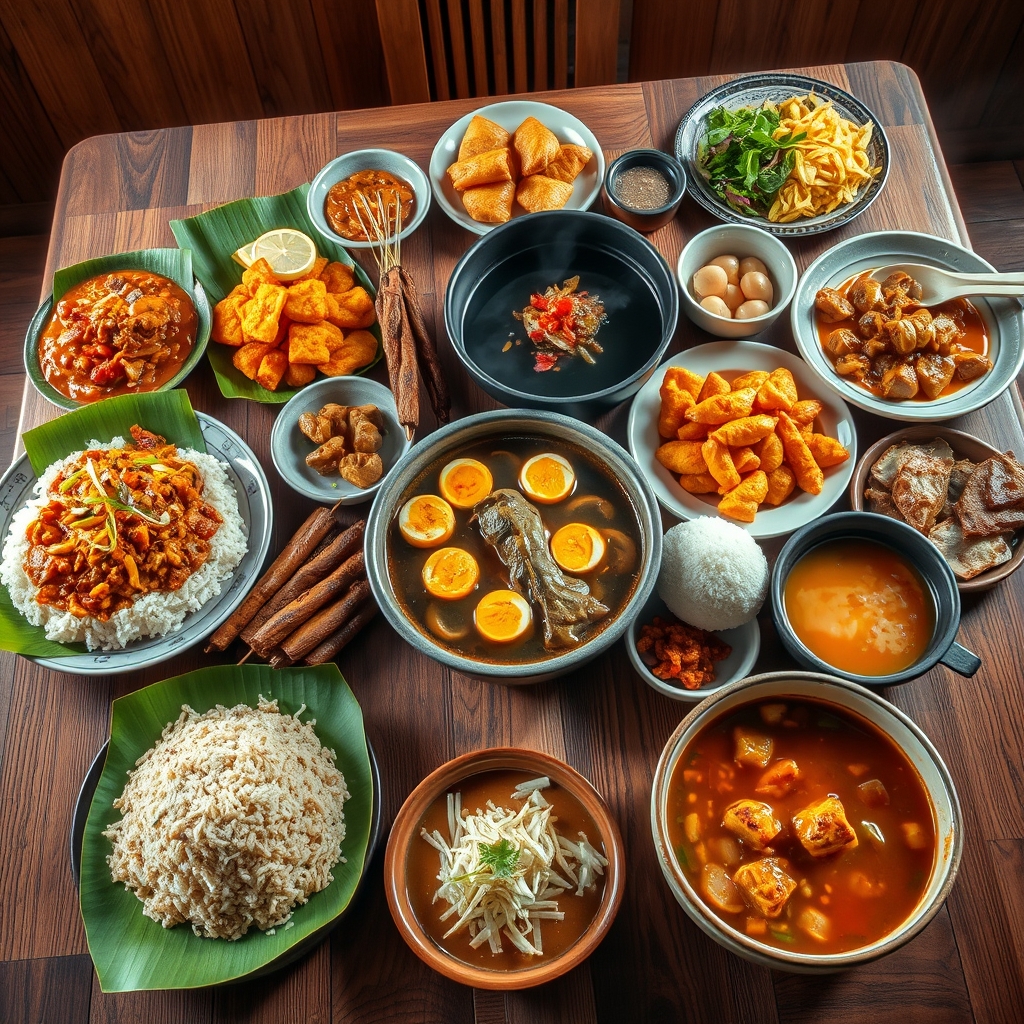
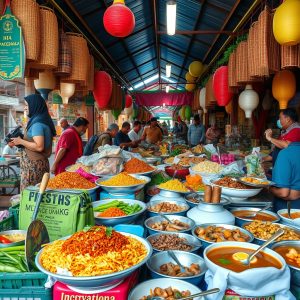
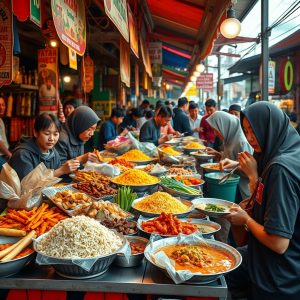
Indonesia’s culinary landscape is as vast and diverse as its 17,000 islands, each region offering a symphony of flavors shaped by history, culture, and geography. From the fiery spices of Aceh to the sweet, coconut-infused dishes of Manado, every bite tells a story of tradition and innovation. This journey through Indonesia’s regional delicacies is not just about taste—it’s about uncovering the soul of a nation through its food.
The Spice-Infused Legacy of Nasi Padang Minangkabau
Originating from the highlands of West Sumatra, Nasi Padang is a feast for the senses. This iconic dish features steamed rice served with an array of rich, spicy, and aromatic side dishes, from rendang (slow-cooked beef in coconut milk and spices) to dendeng balado (spicy dried beef). What makes Nasi Padang unique is its communal serving style—dishes are laid out in front of diners, who then pick and choose their favorites. The Minangkabau people, known for their matrilineal culture, have perfected this cuisine over centuries, blending indigenous techniques with influences from Indian, Arab, and Malay traders. The result is a bold, complex flavor profile that has earned Nasi Padang global acclaim.
The Sweet and Savory Harmony of Gudeg Yu Djum
In the heart of Yogyakarta, Gudeg Yu Djum stands as a testament to the city’s culinary ingenuity. This traditional dish is made from young jackfruit slow-cooked in palm sugar and coconut milk until tender, creating a sweet and savory balance that is uniquely Javanese. The dish is often served with hard-boiled eggs, chicken, and a side of krecek (spicy cow skin crackers). Gudeg Yu Djum, named after its most famous vendor, is more than just food—it’s a cultural icon. The dish reflects the Javanese philosophy of harmony, where contrasting flavors come together to create something greater than the sum of its parts.
The Dark and Mysterious Allure of Rawon Setan Surabaya
Surabaya’s Rawon Setan is not for the faint of heart. This dark, brooding beef soup gets its color and depth from keluak nuts, a rare ingredient that imparts an earthy, slightly bitter taste. The name “Setan” (devil) hints at its intense flavor and the late-night culture surrounding it—Rawon Setan is often enjoyed as a midnight snack, fueling the city’s night owls. The dish is typically served with rice, bean sprouts, and a side of sambal for an extra kick. Rawon Setan is a perfect example of how Indonesian cuisine embraces bold, unconventional flavors, turning simple ingredients into something extraordinary.
The Grilled Perfection of Sate Klatak Bantul
Unlike the more common peanut-based satay, Sate Klatak from Bantul, Yogyakarta, is a grilled delight that relies on the natural flavors of the meat. Made from young goat or lamb, the skewers are seasoned with just salt and grilled over an open flame, resulting in a smoky, tender bite. The name “Klatak” comes from the sound the skewers make when they hit the grill. This dish is a favorite among locals and visitors alike, often enjoyed with a side of sweet soy sauce and fresh shallots. Sate Klatak is a celebration of simplicity, proving that sometimes, less is more.
The Fiery Delight of Ayam Tangkap Aceh
Hailing from the northern tip of Sumatra, Ayam Tangkap is a dish that captures the fiery spirit of Aceh. The name translates to “captured chicken,” a nod to the dish’s origins as a meal prepared for hunters returning from the forest. The chicken is marinated in a blend of turmeric, lemongrass, and chili, then stir-fried with an abundance of fresh herbs like basil and kaffir lime leaves. The result is a dish that is aromatic, spicy, and utterly addictive. Ayam Tangkap is often served with steamed rice and a side of sambal, making it a hearty meal that packs a punch. It’s a dish that embodies the resilience and boldness of the Acehnese people.
The Crispy Indulgence of Bebek Sinjay Madura
From the island of Madura comes Bebek Sinjay, a dish that turns duck into a crispy, flavorful masterpiece. The duck is marinated in a blend of spices, including turmeric, coriander, and garlic, then deep-fried until golden and crispy. The result is a dish that is juicy on the inside and crunchy on the outside, often served with lontong (compressed rice cakes) and a side of sambal. Bebek Sinjay is a popular choice for celebrations and gatherings, showcasing Madura’s love for bold, hearty flavors. It’s a dish that brings people together, one crispy bite at a time.
The Comforting Warmth of Soto Banjar Kalimantan
In the southern reaches of Kalimantan, Soto Banjar offers a comforting embrace in the form of a fragrant chicken soup. This dish is a harmonious blend of spices, including cinnamon, cardamom, and cloves, which give it a warm, aromatic flavor. The soup is typically served with rice, boiled eggs, and a sprinkle of fried shallots. Soto Banjar is more than just a meal—it’s a symbol of hospitality and warmth, often served to guests as a gesture of welcome. The dish reflects the multicultural influences of Banjar culture, where indigenous traditions meet Malay, Javanese, and Chinese flavors.
Indonesia’s regional dishes are a testament to the country’s rich cultural tapestry, where every flavor tells a story and every meal is an invitation to explore. Whether it’s the fiery spices of Aceh or the sweet, coconut-infused dishes of Manado, these culinary treasures offer a glimpse into the heart and soul of the archipelago. The next time you sit down to a meal, remember that you’re not just tasting food—you’re experiencing a piece of Indonesia’s vibrant, diverse heritage.