Indonesia’s Culinary Legacy: The Regional Dishes That Paint a Thousand Flavors
Indonesia’s culinary landscape is a vibrant tapestry woven with threads of history, culture, and geography. Each region boasts dishes that are not just meals but narratives—stories of trade, migration, and tradition simmered into every bite. From the fiery spices of Sumatra to the delicate sweetness of Javanese cuisine, these dishes are a testament to the archipelago’s rich diversity. Let’s embark on a journey to uncover some of Indonesia’s most iconic regional dishes, each a masterpiece in its own right.
The Fiery Allure of Nasi Padang Minangkabau
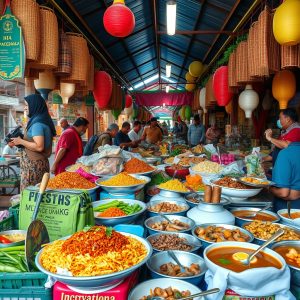
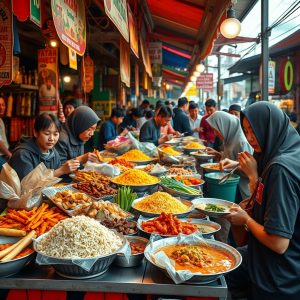
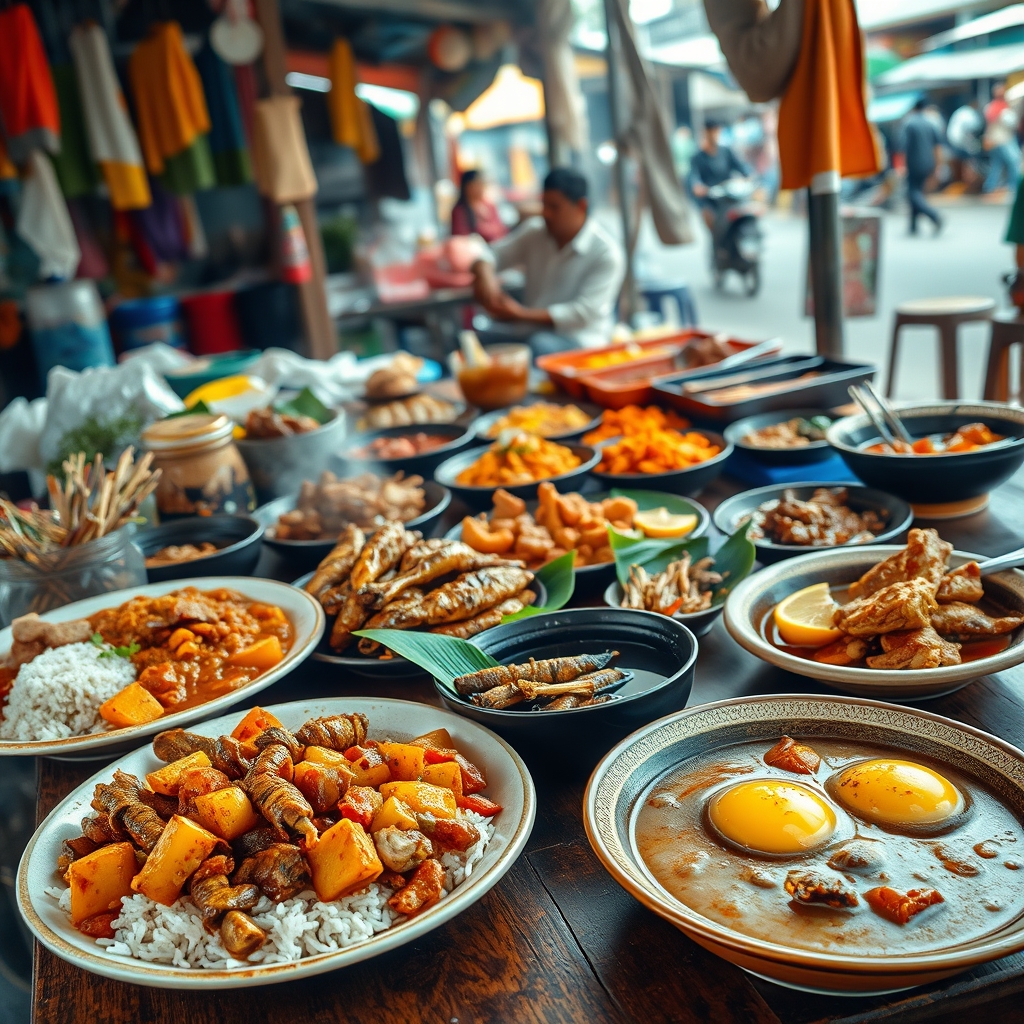
Hailing from West Sumatra, Nasi Padang is a feast for the senses. This dish is a symphony of flavors, featuring steamed rice served with an array of curries, meats, and vegetables. What makes Nasi Padang unique is its hidang style—dishes are displayed in small bowls and served all at once, allowing diners to mix and match flavors to their liking. The bold, spicy notes of rendang, the tangy kick of gulai, and the crispy texture of fried fish create a harmonious balance that lingers long after the meal. It’s no wonder that Nasi Padang has transcended its regional roots to become a national favorite.
The Sweet and Savory Magic of Gudeg Yu Djum
In the heart of Yogyakarta, Gudeg Yu Djum stands as a culinary icon. This dish is a celebration of jackfruit, slow-cooked in palm sugar and coconut milk until it transforms into a tender, caramelized delight. The process is labor-intensive, often taking hours to achieve the perfect balance of sweet and savory. Gudeg is typically served with rice, chicken, boiled egg, and a side of krecek—spicy cow skin crackers. The dish’s origins trace back to the royal kitchens of the Sultanate of Yogyakarta, where it was crafted as a dish fit for nobility. Today, it remains a beloved street food, a sweet reminder of Java’s regal past.
The Dark and Mysterious Rawon Setan Surabaya
Surabaya’s Rawon Setan is not for the faint-hearted. This beef soup is infamous for its deep, almost black broth, derived from the use of keluak nuts, which lend a rich, earthy flavor. The name Setan (devil) hints at its intense, bold taste, a challenge to those unaccustomed to its robust profile. Rawon is traditionally served with rice, bean sprouts, and a side of sambal for an extra kick. The dish’s origins are humble, born from the need to create a hearty meal using simple ingredients. Yet, its complexity and depth have elevated it to a status of culinary legend, a must-try for anyone seeking the true essence of East Javanese cuisine.
The Unique Charm of Sate Klatak Bantul
While satay is a staple across Indonesia, Sate Klatak from Bantul, Yogyakarta, offers a twist on the classic. Unlike traditional satay, which uses skewers made of bamboo, Sate Klatak employs iron rods, giving the meat a distinct charred flavor. The dish is made from goat or lamb, marinated in a blend of spices and grilled over an open flame. The result is a smoky, tender skewer with a slightly crispy exterior. Sate Klatak is often served with a side of gule (a mild curry) and rice, creating a satisfying meal that showcases the ingenuity of Javanese street food.
The Coastal Delights of Ayam Tangkap Aceh
From the northern tip of Sumatra comes Ayam Tangkap, a dish that captures the essence of Aceh’s coastal culture. The name tangkap (catch) refers to the freshness of the ingredients, often prepared with chicken caught on the same day. The dish is a medley of flavors, featuring chicken stir-fried with a generous amount of spices, including lemongrass, turmeric, and galangal. What sets Ayam Tangkap apart is the addition of daun kari (curry leaves) and bunga kecombrang (torch ginger flower), which infuse the dish with a fragrant, citrusy aroma. Served with steamed rice and a side of sambal, Ayam Tangkap is a celebration of Aceh’s rich culinary heritage.
The Bold Flavors of Bebek Sinjay Madura
Madura, an island off the coast of East Java, is home to Bebek Sinjay, a dish that showcases the island’s love for duck. The duck is marinated in a blend of spices, including turmeric, coriander, and garlic, before being deep-fried to perfection. The result is a crispy, golden-brown exterior with tender, flavorful meat inside. Bebek Sinjay is often served with sambal terasi (shrimp paste chili) and a side of lalapan (fresh vegetables), creating a harmonious balance of textures and flavors. The dish’s popularity has spread beyond Madura, making it a sought-after delicacy in cities like Surabaya and Malang.
The Soulful Comfort of Soto Banjar Kalimantan
In the southern reaches of Kalimantan, Soto Banjar offers a comforting embrace in the form of a hearty soup. This dish is a testament to the region’s multicultural influences, blending indigenous Dayak flavors with Arab and Chinese culinary traditions. Soto Banjar features tender chicken or beef, simmered in a fragrant broth infused with spices like cinnamon, cardamom, and cloves. The soup is served with rice, boiled eggs, and a sprinkle of fried shallots, creating a warm, satisfying meal. The dish’s origins are rooted in the Banjar people’s history, a reflection of their resilience and adaptability in the face of cultural exchange.
Indonesia’s regional dishes are more than just food—they are a living testament to the country’s history, culture, and identity. Each bite tells a story, a narrative of people, places, and traditions that have shaped the archipelago’s culinary landscape. Whether it’s the fiery spices of Nasi Padang or the sweet allure of Gudeg, these dishes invite us to explore the rich tapestry of flavors that define Indonesia. They remind us that food is not just sustenance but a bridge that connects us to the past, present, and future—a legacy passed down through generations, one delicious bite at a time.