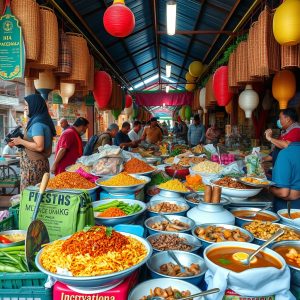
Indonesia’s Culinary Crossroads: The Bold and Unforgettable Flavors of 8 Regional Street Food Wonders
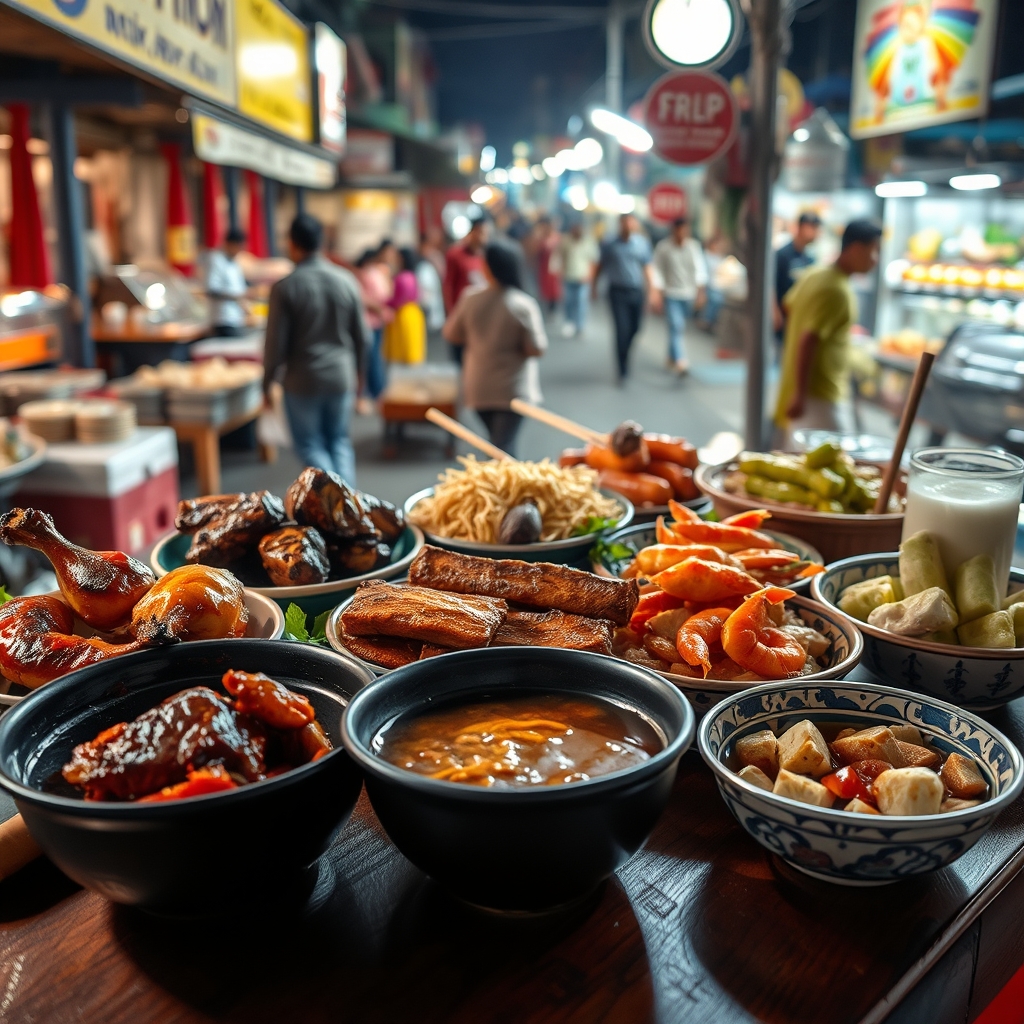
Indonesia’s streets are a symphony of sizzling woks, aromatic spices, and the hum of vendors calling out their specialties. Beyond the well-trodden path of rendang and nasi goreng lies a world of regional street food that pulses with the heartbeat of local culture. These dishes are not just meals; they are stories of migration, trade, and tradition, served on humble plates or banana leaves. Each bite is a testament to the ingenuity of Indonesia’s culinary artisans, who transform simple ingredients into extraordinary feasts. Here, we embark on a journey to uncover eight street food wonders that define the bold and unforgettable flavors of the archipelago.
The Fiery Allure of Ayam Taliwang Lombok
On the sun-drenched island of Lombok, Ayam Taliwang reigns as the undisputed king of street food. This dish is a masterclass in balancing heat, sweetness, and smokiness, with chicken marinated in a paste of shallots, garlic, chili, and shrimp paste before being grilled over coconut husks. The result is a charred, juicy bird that glistens with a glossy, spiced sauce. Vendors often serve it with plecing kangkung—a tangy water spinach salad—and steamed rice, creating a harmony of textures and flavors. The dish’s name is derived from the village of Taliwang, where it originated, and its fiery reputation has made it a must-try for adventurous eaters.
The Secret Behind the Smoke
The magic of Ayam Taliwang lies in its preparation. The chicken is first boiled with turmeric and lemongrass to tenderize it, then grilled over an open flame to achieve that signature smoky char. The sauce, a blend of palm sugar, tamarind, and bird’s eye chilies, is brushed on generously, caramelizing as it hits the heat. This dual cooking method ensures the meat remains succulent while the skin crisps to perfection. It’s a dish that demands to be eaten with your hands, the way locals do, letting the flavors linger long after the last bite.
The Umami Bomb of Rawon Setan Surabaya
In the bustling streets of Surabaya, Rawon Setan is more than just a dish—it’s an experience. This midnight-black beef soup, infused with the earthy aroma of keluak nuts, is a staple of East Javanese cuisine. The name “Setan” (devil) hints at its late-night allure, as vendors fire up their stalls when the moon is high, catering to workers, students, and night owls craving a hearty meal. The soup’s deep, complex flavor comes from a blend of spices, including galangal, lemongrass, and turmeric, simmered for hours to extract every ounce of richness.
A Bowl of Comfort and Controversy
Rawon Setan is traditionally served with a side of sambal, bean sprouts, and crispy fried shallots, adding layers of crunch and heat. The keluak nut, a key ingredient, is native to Indonesia and imparts a unique, almost chocolatey depth to the broth. However, its use is not without controversy—keluak contains toxins that must be carefully prepared to render it safe for consumption. This meticulous process is a testament to the skill of Surabaya’s street food vendors, who have perfected the art of Rawon over generations. For those willing to brave the late-night crowds, it’s a dish that rewards with warmth and satisfaction.
The Sweet and Savory Delight of Gudeg Yu Djum
No exploration of Indonesian street food would be complete without Gudeg, the iconic dish of Yogyakarta. Among the many vendors, Gudeg Yu Djum stands out for its rich, caramelized jackfruit stew, slow-cooked in coconut milk and palm sugar until it achieves a deep, mahogany hue. The dish is a celebration of sweet and savory harmony, with tender jackfruit absorbing the flavors of bay leaves, coriander, and teak leaves, which give it a distinctive reddish tint. It’s typically served with rice, hard-boiled eggs, and crispy fried chicken, creating a meal that’s as visually stunning as it is delicious.
The Art of Slow Cooking
Gudeg is not a dish to be rushed. The jackfruit is simmered for hours, often overnight, in large clay pots to achieve its signature tenderness. The slow cooking process allows the flavors to meld, resulting in a dish that’s both comforting and complex. Gudeg Yu Djum, in particular, has become a legend in Yogyakarta, with lines forming outside its modest stall from early morning. The dish’s popularity is a testament to its ability to evoke nostalgia, transporting locals and visitors alike to a place of warmth and familiarity.
The Spicy Kick of Sate Klatak Bantul
While satay is a staple across Indonesia, Sate Klatak from Bantul, near Yogyakarta, offers a unique twist on the classic skewer. Unlike traditional satay, which is made with marinated meat, Sate Klatak uses chunks of goat or lamb that are grilled over an open flame without any marinade. The result is a smoky, slightly gamey flavor that’s elevated by a spicy, tangy dipping sauce made from shallots, chilies, and tamarind. The skewers are typically served with lontong (compressed rice cakes) and a side of raw shallots, adding a refreshing crunch to each bite.
A Skewer with a Story
The name “Klatak” refers to the sound the skewers make as they hit the grill, a rhythmic clatter that’s as much a part of the experience as the food itself. The dish’s origins are humble, born from the need to create a quick, satisfying meal for farmers and laborers. Today, it’s a beloved street food that showcases the simplicity and boldness of Indonesian cuisine. The absence of marinade allows the natural flavor of the meat to shine, while the dipping sauce adds a fiery kick that keeps diners coming back for more.
The Coastal Charm of Mie Aceh Kepiting
On the northern tip of Sumatra, Mie Aceh Kepiting is a dish that captures the essence of Aceh’s coastal culture. This hearty noodle dish features thick, chewy noodles stir-fried with crab, prawns, and a medley of spices, including turmeric, lemongrass, and galangal. The dish is served with a side of emping (melinjo crackers) and a wedge of lime, adding a citrusy brightness to the rich, savory flavors. Mie Aceh is a testament to the region’s history as a trading hub, where spices and seafood converge to create a dish that’s as vibrant as the culture itself.
A Noodle Dish with a Legacy
Mie Aceh is more than just a meal; it’s a reflection of Aceh’s resilience and diversity. The dish’s origins can be traced back to the Chinese and Indian traders who settled in the region, bringing with them their culinary traditions. Over time, these influences merged with local ingredients, resulting in a noodle dish that’s uniquely Acehnese. The addition of crab, a prized ingredient in coastal communities, elevates Mie Aceh to a dish fit for special occasions. Whether enjoyed at a street-side stall or a family gathering, it’s a celebration of Aceh’s rich culinary heritage.
The Crunchy Indulgence of Tahu Tek Surabaya
In the vibrant city of Surabaya, Tahu Tek is a street food staple that delights with its mix of textures and flavors. This dish features fried tofu topped with a generous serving of lontong, bean sprouts, and a rich peanut sauce, all drizzled with sweet soy sauce and crispy fried potatoes. The name “Tek” refers to the sound of the knife chopping the tofu, a playful nod to the dish’s origins as a quick, satisfying snack. Tahu Tek is a symphony of crunch and creaminess, with each bite offering a new layer of flavor and texture.
The Perfect Balance of Flavors
The secret to Tahu Tek’s appeal lies in its peanut sauce, a velvety blend of ground peanuts, palm sugar, and tamarind that coats the tofu and lontong in a rich, savory glaze. The dish is finished with a sprinkle of fried shallots and krupuk (shrimp crackers), adding a satisfying crunch. It’s a dish that’s as much about the experience as it is about the taste—watching the vendor assemble each component with precision, the aroma of fried tofu filling the air, and the first bite that delivers a perfect balance of sweet, salty, and umami.
The Sweet Finale of Es Pisang Ijo
No street food journey through Indonesia would be complete without a sweet treat, and Es Pisang Ijo from Makassar is the perfect way to end on a high note. This refreshing dessert features banana wrapped in a vibrant green pandan-flavored batter, steamed until tender, and served with shaved ice, coconut milk, and palm sugar syrup. The contrast of the cool, creamy coconut milk with the warm, fragrant banana creates a delightful harmony of flavors and textures. It’s a dish that’s as visually stunning as it is delicious, with the bright green batter standing out against the white ice and golden syrup.
A Dessert with a Tropical Twist
Es Pisang Ijo is a celebration of Indonesia’s tropical bounty, showcasing the versatility of bananas and the aromatic allure of pandan. The dish’s origins can be traced back to Makassar’s vibrant street food scene, where vendors have perfected the art of balancing sweetness and freshness. The pandan batter, made from rice flour and coconut milk, gives the banana a delicate, almost custard-like texture, while the shaved ice and syrup add a refreshing contrast. It’s a dessert that’s as much about the experience as it is about the taste—sipping the sweet, creamy coconut milk as the ice melts on your tongue, a perfect end to a street food adventure.
Indonesia’s street food is a testament to the country’s diversity, creativity, and passion for flavor. Each dish tells a story of the people, the land, and the traditions that have shaped it, offering a glimpse into the soul of the archipelago. Whether it’s the fiery heat of Ayam Taliwang, the rich umami of Rawon Setan, or the sweet indulgence of Es Pisang Ijo, these street food wonders are more than just meals—they are experiences that linger long after the last bite. To truly understand Indonesia, one must eat like a local, letting the flavors of the streets guide the way.