Indonesia’s Culinary Symphony: The Regional Dishes That Sing of Spice, Soul, and Story
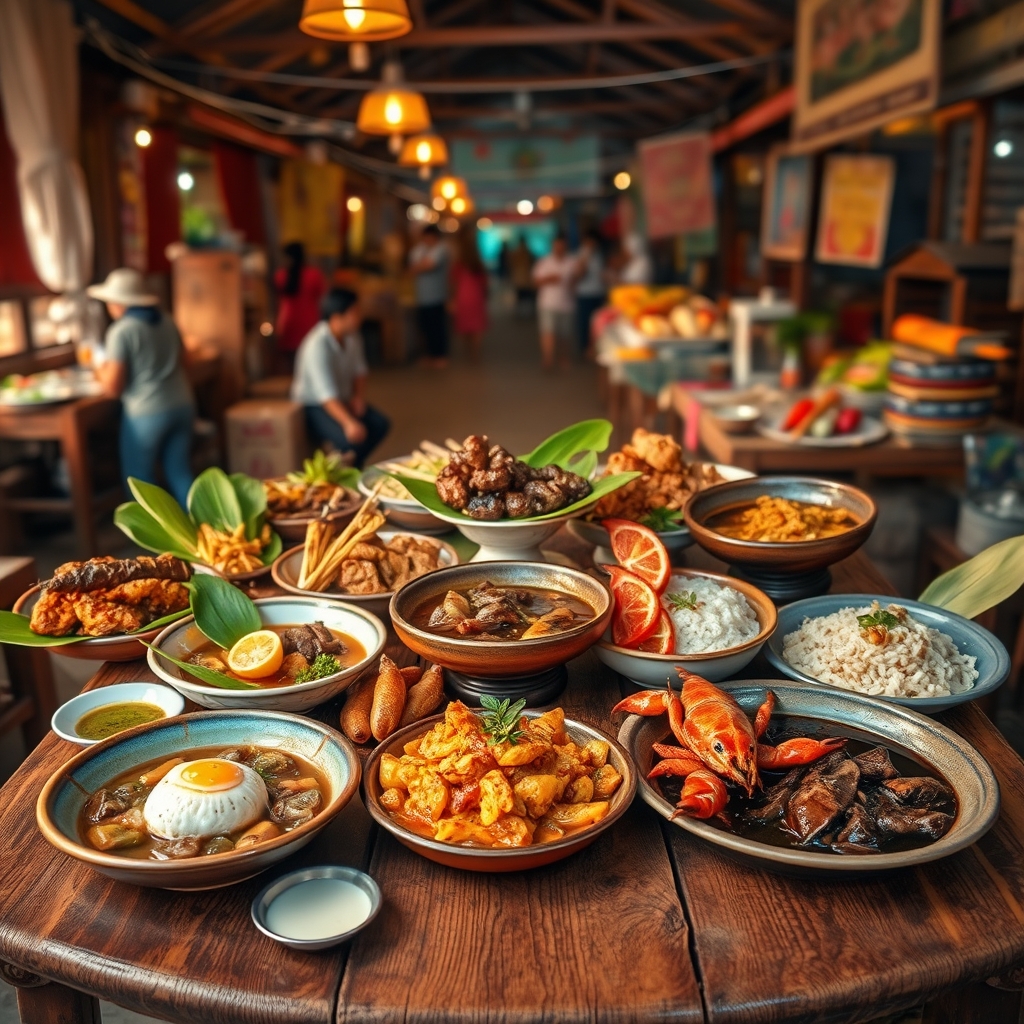
Indonesia is a nation where every meal is a celebration, a story told through the language of spices, herbs, and time-honored techniques. Beyond the globally adored rendang and satay lies a treasure trove of regional dishes, each a masterpiece that reflects the land, the people, and the history of its origin. These are not just meals; they are narratives served on a plate, waiting to be savored and remembered. Let’s embark on a journey through some of Indonesia’s most captivating regional dishes, where every bite is a verse in the archipelago’s culinary poetry.
The Fiery Allure of Ayam Taliwang Lombok
Nestled in the heart of Lombok, Ayam Taliwang is a dish that commands attention. This grilled chicken is marinated in a potent blend of chili, garlic, shallots, and shrimp paste, then charred over an open flame until the skin crisps and the meat absorbs the smoky essence. The result is a dish that is at once fiery, tangy, and deeply aromatic, a testament to Lombok’s love affair with bold flavors. Served with plecing kangkung—a water spinach salad dressed in spicy tomato sauce—and steamed rice, Ayam Taliwang is a symphony of heat and freshness that lingers long after the last bite.
The Legend of Sate Klatak Bantul
In the quiet streets of Bantul, Yogyakarta, a humble skewer of meat tells a story of resilience and tradition. Sate Klatak is unlike any other satay; its name derives from the Javanese word “klatak,” the sound of the skewers clinking against the grill. Made from chunks of goat or lamb, the meat is seasoned simply with salt and pepper, then grilled over coconut husk embers, which impart a unique smokiness. The skewers are traditionally made from bicycle spokes, a nod to the resourcefulness of the local vendors. Served with a side of lontong (compressed rice cakes) and a rich, spiced coconut curry, Sate Klatak is a dish that embodies the spirit of Java—unassuming yet unforgettable.
The Sweet and Savory Magic of Gudeg Yu Djum
No exploration of Indonesian cuisine would be complete without Gudeg, the iconic dish of Yogyakarta. Among the many versions, Gudeg Yu Djum stands out for its perfect balance of sweet and savory. Young jackfruit is slow-cooked for hours in coconut milk and palm sugar, infused with galangal, bay leaves, and coriander, until it transforms into a tender, caramelized delight. The dish is often paired with krecek—a spicy cow skin stew—and a hard-boiled egg, creating a harmony of textures and flavors. Gudeg is more than just a meal; it’s a cultural emblem, a dish that has been passed down through generations, each family adding their own touch to the recipe.
The Dark and Mysterious Rawon Setan Surabaya
Surabaya’s Rawon Setan is a dish shrouded in intrigue. Its name, which translates to “Devil’s Rawon,” hints at its bold, almost sinful flavors. This beef soup is distinguished by its deep, inky black color, derived from the use of keluak nuts, a rare and prized ingredient in Indonesian cuisine. The broth is rich and earthy, infused with lemongrass, galangal, and turmeric, while the tender beef is slow-cooked until it melts in the mouth. Served with a side of bean sprouts, salted egg, and sambal, Rawon Setan is a dish that demands to be savored slowly, each spoonful revealing layers of complexity.
The Coastal Charms of Mie Aceh Kepiting
From the northern tip of Sumatra comes Mie Aceh Kepiting, a noodle dish that captures the essence of Aceh’s coastal bounty. Thick, chewy noodles are stir-fried with succulent crab meat, prawns, and a medley of spices, including turmeric, coriander, and chili. The dish is finished with a generous drizzle of lime juice and a sprinkle of fried shallots, adding a burst of freshness and crunch. Mie Aceh Kepiting is a celebration of the sea, a dish that brings the flavors of the ocean to the table in every bite. It’s a reminder of Aceh’s strategic location along ancient spice routes, where the influences of India, Arabia, and China blend seamlessly with local traditions.
The Comforting Embrace of Nasi Liwet Solo
In the royal city of Solo, Nasi Liwet is a dish that embodies comfort and elegance. Fragrant rice is cooked in coconut milk and chicken broth, infused with lemongrass, pandan leaves, and a touch of turmeric, giving it a golden hue and a delicate aroma. The rice is served with a variety of accompaniments, including chicken opor (a mild coconut curry), tempeh, and hard-boiled eggs, all arranged beautifully on a banana leaf. Nasi Liwet is often enjoyed during special occasions, a dish that brings families together and evokes a sense of warmth and nostalgia. It’s a culinary hug, a reminder of the simple pleasures that make life sweet.
The Unlikely Delight of Kupang Lontong Sidoarjo
In the bustling streets of Sidoarjo, East Java, a humble dish made from tiny clams has captured the hearts of locals and visitors alike. Kupang Lontong is a simple yet flavorful creation, featuring lontong (compressed rice cakes) topped with kupang (tiny clams), bean sprouts, and a tangy, spicy broth made from tamarind, chili, and shallots. The dish is garnished with fried shallots and krupuk (shrimp crackers), adding a satisfying crunch. Despite its modest origins, Kupang Lontong is a dish that delights the senses, a testament to the ingenuity of Indonesian street food culture.
Indonesia’s culinary landscape is as vast and diverse as the archipelago itself, a tapestry of flavors that tells the story of a nation built on trade, tradition, and resilience. Each dish is a chapter in this story, a flavorful reminder of the people, the land, and the history that have shaped Indonesia into the vibrant, multifaceted country it is today. To taste these dishes is to understand the soul of Indonesia, one bite at a time.