The Fiery and Fragrant Underbelly: Indonesia’s Most Underrated Street Food Gems Beyond the Usual Suspects
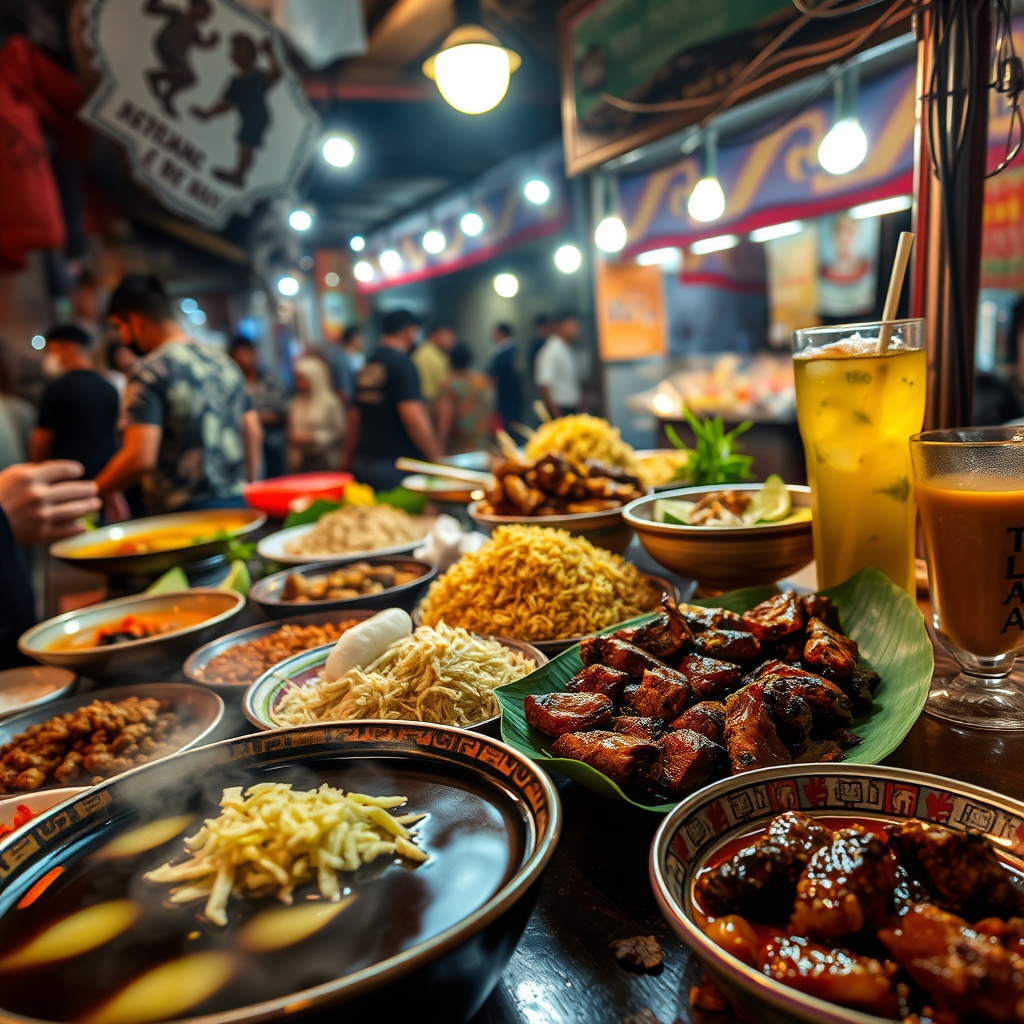
Indonesia’s culinary landscape is a sprawling tapestry of flavors, where every region boasts a dish so deeply rooted in its culture that it feels like a secret passed down through generations. While rendang and satay often steal the spotlight, the real magic lies in the lesser-known street food gems that simmer in humble warungs and bustling night markets. These dishes are not just meals; they are stories of migration, trade, and resilience, each bite a testament to the ingenuity of the people who crafted them.
The Bold and the Unapologetic: Dishes That Command Attention
Take Rawon Setan Surabaya, for instance—a dish that lives up to its devilish name. This black-hued beef soup, infused with the earthy richness of keluak nuts, is a masterclass in balancing intensity and depth. The broth, dark as midnight, is a symphony of spices: turmeric, galangal, and lemongrass, slow-cooked until the flavors meld into something almost mystical. Served with a side of fiery sambal and crispy shallots, Rawon Setan doesn’t just warm the soul; it ignites it. The name itself, “Setan” (devil), hints at its reputation for being so addictive that it’s said to tempt even the most disciplined eaters into indulgence.
Then there’s Sate Klatak Bantul, a skewer unlike any other. Unlike its more famous cousin, satay, which is often drenched in sweet peanut sauce, Sate Klatak is a study in minimalism. The meat—usually goat or lamb—is grilled over an open flame, its edges charring to a crisp while the inside remains tender and juicy. The secret? The skewers themselves, made from bicycle spokes, which conduct heat differently than traditional bamboo, giving the meat a unique texture. Served with nothing more than a sprinkle of salt and a wedge of lime, it’s a dish that lets the natural flavors of the meat shine, unadorned and unapologetic.
The Comfort of the Familiar, Reinvented
For those who crave something heartier, Nasi Liwet Solo offers a fragrant embrace. This Javanese rice dish is cooked in coconut milk, chicken broth, and a medley of spices, then steamed to perfection with tender chunks of chicken, tempeh, and sometimes even jackfruit. The result is a dish that’s both comforting and complex, with each grain of rice infused with the aroma of lemongrass and bay leaves. It’s the kind of meal that feels like a warm hug, the kind you’d find simmering in a family kitchen after a long day, its flavors deepening with every reheat.
In the heart of Surabaya, Tahu Tek reigns supreme. This dish is a celebration of texture and contrast: silky tofu, boiled potatoes, and bean sprouts, all smothered in a thick, nutty sauce made from peanuts, petis (a fermented shrimp paste), and a hint of chili. The final touch? A sprinkle of crispy crackers, adding a satisfying crunch to every bite. It’s messy, it’s bold, and it’s utterly irresistible—a dish that embodies the spirit of Surabaya’s street food scene: unpretentious, flavorful, and endlessly satisfying.
The Unexpected Delights: Dishes That Surprise and Delight
Venture east to Lombok, and you’ll encounter Ayam Taliwang, a dish that’s as fiery as the island’s volcanic landscapes. This grilled chicken is marinated in a paste of shallots, garlic, chili, and shrimp paste, then grilled over charcoal until the skin is crisp and the meat is infused with smoky, spicy goodness. The name “Taliwang” refers to the village where it originated, but its fame has spread far beyond, thanks to its bold, uncompromising flavors. Served with plecing kangkung (water spinach in spicy tomato sauce) and a side of steamed rice, it’s a meal that demands to be savored slowly, with plenty of cold drinks on hand to temper the heat.
Meanwhile, in the bustling streets of Makassar, Coto Makassar Asli tells a story of cultural fusion. This beef soup, thickened with ground peanuts and enriched with coconut milk, is a legacy of the city’s history as a trading port. The broth is simmered for hours with spices like coriander, cumin, and turmeric, then ladled over tender beef, offal, and sometimes even cow’s brain. Topped with fried shallots and a squeeze of lime, it’s a dish that’s as rich in history as it is in flavor—a testament to Makassar’s role as a melting pot of culinary influences.
The Sweet and the Savory: Desserts That Steal the Show
No exploration of Indonesia’s street food would be complete without a nod to its sweets. Es Pisang Ijo, a dessert from Makassar, is a feast for the eyes as much as the palate. Bright green banana fritters, made from a batter of rice flour and pandan leaves, are wrapped around ripe bananas and steamed until tender. Served with shaved ice, coconut milk, and a drizzle of palm sugar syrup, it’s a refreshing, creamy, and utterly indulgent treat—a perfect end to a spicy meal.
And then there’s Bika Ambon Medan, a honeycomb cake that’s as light as it is sweet. Made from a batter of tapioca flour, eggs, and coconut milk, it’s baked until the top forms a golden, spongy crust, while the inside remains soft and custardy. The name “Bika Ambon” is a bit of a misnomer—it’s actually from Medan—but its origins are as intriguing as its texture. Some say it was inspired by Portuguese baking techniques, while others believe it was a local adaptation of a Chinese dessert. Whatever its history, one thing is certain: it’s a dessert that’s impossible to resist.
These dishes are more than just food; they are a window into the soul of Indonesia. Each one carries the echoes of the hands that prepared it, the markets where its ingredients were sourced, and the communities that have kept its traditions alive. To taste them is to embark on a journey—not just across the archipelago, but through time itself, where every bite is a story waiting to be discovered. And perhaps that’s the real magic of Indonesia’s street food: it doesn’t just feed the body; it nourishes the spirit, one unforgettable flavor at a time.