The Forgotten Feasts: Indonesia’s Most Underrated Regional Dishes and Their Untold Stories
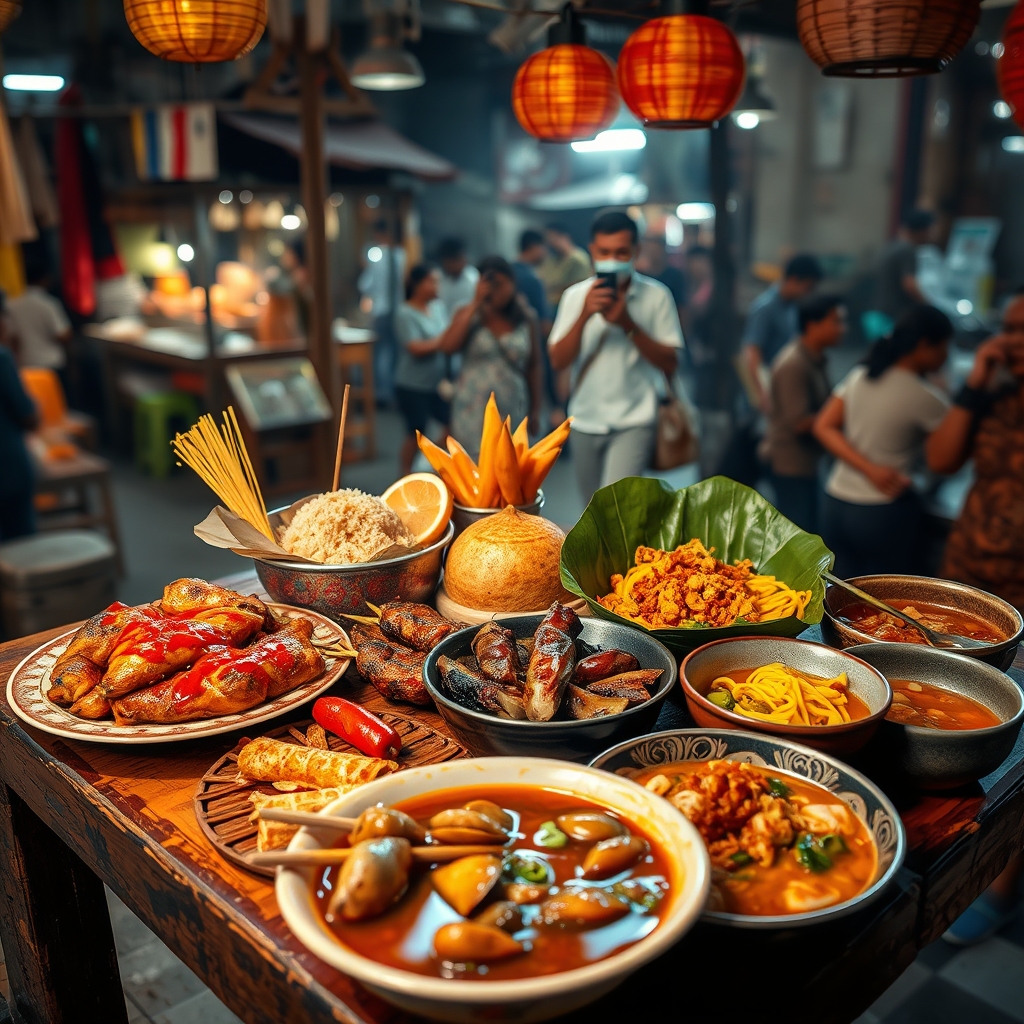
Indonesia’s culinary landscape is a vast and vibrant tapestry, woven with threads of history, culture, and geography. While dishes like rendang and nasi goreng have earned global acclaim, there exists a treasure trove of regional delicacies that remain hidden in the shadows, waiting to be discovered. These are the dishes that carry the soul of their communities, the flavors that have been perfected over generations, and the stories that are whispered in bustling markets and humble warungs. Let’s embark on a journey to uncover some of Indonesia’s most underrated regional feasts, each a testament to the country’s rich and diverse culinary heritage.
The Fiery Allure of Ayam Taliwang Lombok
Nestled in the heart of Lombok, Ayam Taliwang is a dish that commands attention with its bold and fiery flavors. Unlike its more famous counterparts, this grilled chicken dish is marinated in a complex blend of spices, including shallots, garlic, chili, and shrimp paste, before being grilled over an open flame. The result is a smoky, spicy, and slightly sweet masterpiece that lingers on the palate. What makes Ayam Taliwang truly special is its connection to the Sasak people of Lombok, who have perfected this dish over centuries. Served with plecing kangkung (spicy water spinach) and a side of sambal, it’s a meal that embodies the spirit of the island—unapologetically bold and deeply satisfying.
The Legend of Sate Klatak Bantul
In the quiet streets of Bantul, near Yogyakarta, a humble skewer of meat holds a story that dates back to the days of the Mataram Sultanate. Sate Klatak is unlike any other satay you’ve tried. The skewers are made from iron, not bamboo, and the meat—typically goat or lamb—is grilled over a charcoal fire until it’s tender and juicy. The name ‘klatak’ comes from the sound the iron skewers make when they clink together, a rhythmic melody that has become synonymous with this dish. What sets Sate Klatak apart is its simplicity; there are no elaborate marinades or sauces, just the pure, unadulterated flavor of the meat, enhanced by a sprinkle of salt and a dash of kecap manis. It’s a dish that speaks to the ingenuity of the Javanese people, who have turned simplicity into an art form.
The Sweet and Savory Magic of Nasi Liwet Solo
In the royal city of Solo, Nasi Liwet is more than just a dish—it’s a culinary tradition that has been passed down through generations. This fragrant rice dish is cooked in coconut milk and chicken broth, infused with lemongrass, galangal, and bay leaves, giving it a rich and aromatic flavor. The rice is typically served with a variety of side dishes, including chicken, tempeh, and a hard-boiled egg, all arranged on a banana leaf for an authentic touch. What makes Nasi Liwet truly special is its connection to Javanese royalty. It was once a dish reserved for kings and nobles, and today, it remains a symbol of Solo’s rich cultural heritage. Eating Nasi Liwet is like stepping back in time, a reminder of the elegance and sophistication that defines Javanese cuisine.
The Mystique of Rawon Setan Surabaya
Surabaya’s Rawon Setan is a dish shrouded in mystery and intrigue. Named after the devil (‘setan’ in Indonesian) for its dark, almost black broth, this beef soup is a culinary enigma. The broth gets its distinctive color from the use of keluak, a rare and pungent nut that is native to Indonesia. The soup is rich, earthy, and deeply flavorful, with a hint of bitterness that is balanced by the tender chunks of beef and the aromatic spices. Rawon Setan is typically served with a side of rice, fried shallots, and sambal, making it a hearty and satisfying meal. What makes this dish truly unique is its association with the city’s late-night food stalls, where it’s often enjoyed by night owls and adventurous eaters. It’s a dish that thrives in the shadows, a hidden gem that rewards those who seek it out.
The Coastal Delights of Mie Aceh Kepiting
On the northern tip of Sumatra, the city of Banda Aceh is home to one of Indonesia’s most underrated noodle dishes: Mie Aceh Kepiting. This hearty noodle soup is a celebration of the sea, featuring succulent crab meat, thick yellow noodles, and a rich, spicy broth that is infused with turmeric, lemongrass, and galangal. The dish is a testament to Aceh’s coastal location, where the bounty of the ocean is transformed into a symphony of flavors. What sets Mie Aceh Kepiting apart is its bold and unapologetic use of spices, a reflection of the region’s history as a hub of the spice trade. Served with a side of emping (crispy melinjo crackers) and a squeeze of lime, it’s a dish that captures the essence of Aceh—fiery, fragrant, and unforgettable.
The Hidden Gem of Kupang Lontong Sidoarjo
In the bustling streets of Sidoarjo, East Java, a humble dish called Kupang Lontong has been winning hearts for generations. This simple yet flavorful dish features small clams (kupang) served with lontong (compressed rice cakes), tofu, and a rich, spicy coconut milk broth. The broth is the star of the show, a complex blend of spices, including turmeric, coriander, and chili, that gives the dish its signature depth of flavor. What makes Kupang Lontong truly special is its accessibility—it’s a dish that can be found in street stalls and warungs across Sidoarjo, yet it remains relatively unknown outside of the region. It’s a reminder that some of Indonesia’s best culinary treasures are hiding in plain sight, waiting to be discovered by those willing to venture off the beaten path.
These dishes are more than just food; they are stories waiting to be told, flavors waiting to be savored, and traditions waiting to be preserved. They remind us that Indonesia’s culinary heritage is as vast and diverse as the archipelago itself, and that there is always something new to discover, even in the most unexpected places. Whether it’s the fiery allure of Ayam Taliwang or the coastal delights of Mie Aceh Kepiting, each dish offers a glimpse into the soul of its region, a taste of the history and culture that have shaped it. So the next time you find yourself in Indonesia, venture beyond the familiar and seek out these hidden feasts—they are the true heart of the nation’s culinary identity.