The Spice-Infused Heart of Indonesia: 8 Regional Dishes That Redefine Comfort and Tradition
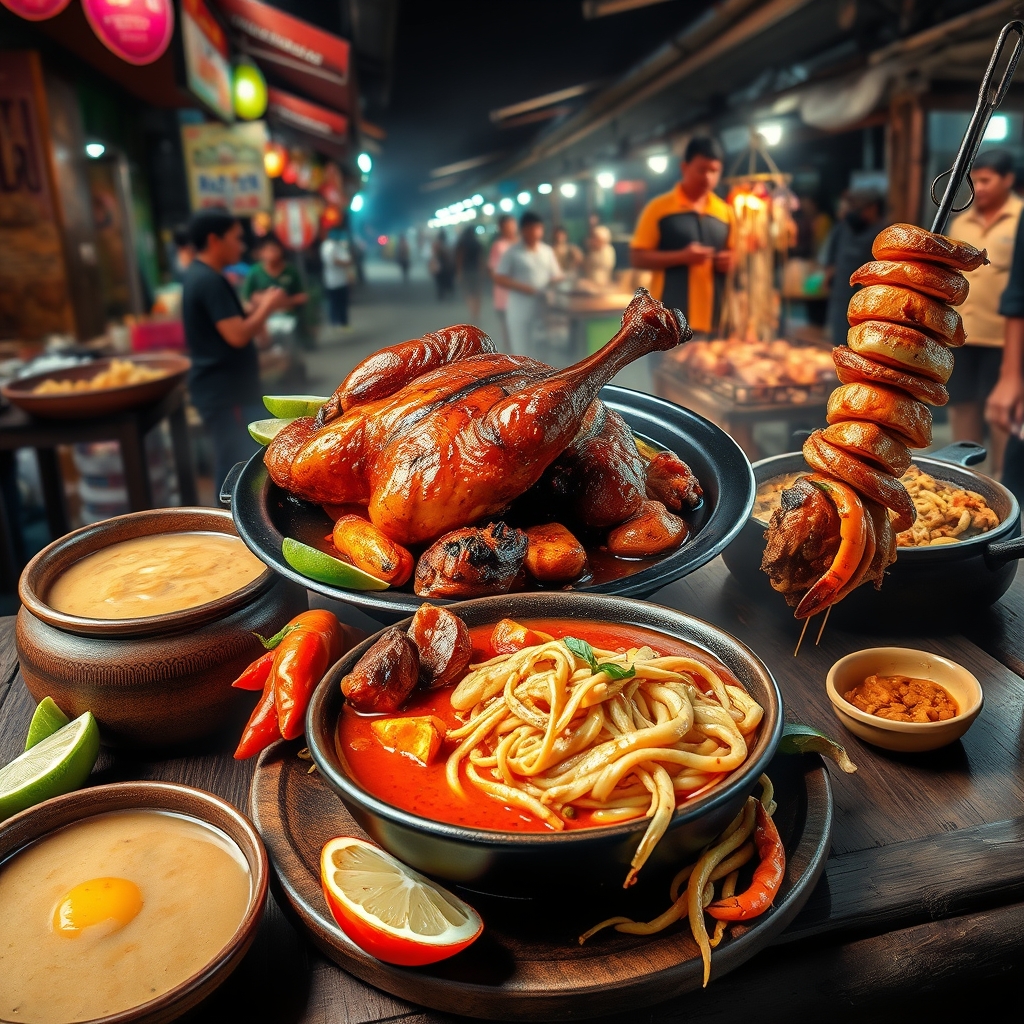
There’s something magical about the way Indonesian cuisine weaves together the bold, the subtle, and the unexpected. It’s not just about the heat of chili or the richness of coconut milk—it’s about the stories simmering beneath the surface, the hands that have perfected recipes over generations, and the landscapes that shape each dish. While rendang and nasi goreng often steal the spotlight, the true soul of Indonesia’s culinary identity lies in its lesser-known regional masterpieces. These are the dishes that don’t just feed the body but nourish the spirit, offering a taste of home, history, and heart in every bite.
The Fiery Embrace of Ayam Taliwang Lombok
On the sun-drenched island of Lombok, Ayam Taliwang reigns supreme—a dish so fiery and fragrant that it’s said to capture the very essence of the island’s volcanic soil. The chicken, marinated in a paste of shallots, garlic, turmeric, and bird’s eye chilies, is grilled over charcoal until the skin crisps and the meat absorbs the smoky depth of the spices. But the real magic happens when it’s slathered with *plecing* sauce, a vibrant concoction of crushed chilies, shrimp paste, lime, and tomatoes. The result is a dish that doesn’t just challenge the palate but embraces it, leaving a lingering warmth that feels like a hug from the island itself.
What makes Ayam Taliwang unforgettable isn’t just its heat, but the way it balances sweetness, tang, and umami in perfect harmony. It’s a dish that demands to be eaten with hands, shared among friends, and washed down with a cold glass of *es kelapa muda*—young coconut water—straight from the shell. The first bite is a revelation, a reminder that Indonesian cuisine isn’t just about flavor; it’s about the experience of savoring something that feels both ancient and alive.
The Sweet and Savory Symphony of Gudeg Yu Djum
In the royal city of Yogyakarta, Gudeg isn’t just food—it’s a legacy. The dish, a slow-cooked jackfruit stew, is a testament to patience and tradition. Young jackfruit is simmered for hours in coconut milk and palm sugar, absorbing the sweet, caramelized flavors until it becomes tender and rich. The version served at Gudeg Yu Djum, a legendary stall that has been perfecting the recipe since 1950, is particularly revered. Here, the jackfruit is cooked in a blend of spices that includes coriander, galangal, and bay leaves, creating a depth of flavor that’s both comforting and complex.
Gudeg is often served with a side of *krecek*—spicy cow skin crackers—and a hard-boiled egg, but the real star is the *areh* sauce, a thick, sweet coconut gravy that ties everything together. The dish is a study in contrasts: sweet yet savory, soft yet textured, humble yet regal. It’s the kind of food that doesn’t just fill the stomach but warms the soul, a reminder of the slow, deliberate art of Indonesian cooking.
The Bold and Unapologetic Sate Klatak Bantul
Sate Klatak from Bantul, near Yogyakarta, is not your average satay. Unlike its skewered counterparts, which are often grilled over charcoal and basted with sweet soy sauce, Sate Klatak is made from chunks of goat meat threaded onto thick iron skewers and cooked over an open flame. The iron conducts heat directly into the meat, creating a crusty exterior while keeping the inside juicy and tender. The skewers are then served with a simple yet potent dipping sauce made from crushed shallots, chilies, and salt—a combination that lets the natural flavor of the meat shine.
The dish is a favorite among locals, especially during the holy month of Ramadan, when the smoky aroma of grilling meat fills the air. What makes Sate Klatak stand out is its unapologetic simplicity. There are no frills, no elaborate marinades—just meat, fire, and the skill of the grill master. It’s a dish that speaks to the raw, unfiltered joy of Indonesian street food, where the focus is on the quality of the ingredients and the mastery of the cook.
The Coastal Elegance of Mie Aceh Kepiting
On the northern tip of Sumatra, where the Indian Ocean meets the Malacca Strait, Mie Aceh Kepiting is a dish that embodies the region’s maritime heritage. This noodle dish, infused with the flavors of the sea, features thick, chewy noodles stir-fried with crab, prawns, and a rich, spiced curry sauce. The sauce is a masterpiece of Acehnese cuisine, made from a blend of shallots, garlic, turmeric, lemongrass, and a generous dose of *kecap manis*—sweet soy sauce—that gives it a deep, caramelized sweetness.
What sets Mie Aceh Kepiting apart is its bold, aromatic flavor profile. The dish is often garnished with fried shallots, lime wedges, and a sprinkle of *emping*—crispy melinjo crackers—that add a satisfying crunch. It’s a dish that feels both luxurious and comforting, a celebration of Aceh’s coastal bounty and its rich culinary traditions. Every bite is a reminder of the sea’s generosity and the skill of the cooks who transform simple ingredients into something extraordinary.
The Smoky Depth of Rawon Setan Surabaya
In the bustling streets of Surabaya, Rawon Setan is more than just a dish—it’s an experience. This dark, smoky beef soup gets its name from the word *setan* (devil), a nod to its intense, almost sinful flavor. The broth, made from a blend of spices including *keluak*—a black nut that gives the soup its distinctive color and earthy depth—is simmered for hours until it becomes rich and velvety. The beef is tender, falling apart at the touch of a spoon, and the soup is often served with a side of *sambal*, fried shallots, and *tauge*—bean sprouts—for added texture.
Rawon Setan is typically enjoyed late at night, when the streets of Surabaya come alive with the hum of motorbikes and the chatter of night owls. It’s a dish that demands to be savored slowly, each spoonful offering a new layer of flavor. The first taste is a revelation—the smoky, earthy broth, the tender beef, the crunch of the shallots—it’s a symphony of textures and tastes that lingers long after the last bite.
The Crispy Delight of Bebek Sinjay Madura
From the island of Madura comes Bebek Sinjay, a dish that turns humble duck into a crispy, flavorful masterpiece. The duck is marinated in a blend of turmeric, coriander, and garlic, then deep-fried until the skin is golden and crackling. The result is a dish that’s crispy on the outside, juicy on the inside, and bursting with flavor. Bebek Sinjay is often served with a side of *sambal terasi*—a spicy shrimp paste dip—and steamed rice, creating a meal that’s both hearty and satisfying.
What makes Bebek Sinjay special is its simplicity. There are no fancy techniques or elaborate presentations—just duck, spices, and the skill of the fryer. It’s a dish that speaks to the resourcefulness of Madurese cuisine, where even the humblest ingredients are transformed into something extraordinary. The first bite is a revelation, a reminder that sometimes the simplest dishes are the most memorable.
The Sweet and Spicy Allure of Ayam Tangkap Aceh
Ayam Tangkap, or “captured chicken,” is a dish that tells a story. Originating from Aceh, this dish is said to have been created by hunters who needed a quick, flavorful meal after a day in the wilderness. The chicken is marinated in a blend of turmeric, coriander, and chilies, then stir-fried with an array of fresh herbs like lemongrass, kaffir lime leaves, and pandan. The result is a dish that’s aromatic, spicy, and slightly sweet, with a depth of flavor that’s hard to resist.
What makes Ayam Tangkap unique is its use of fresh herbs, which are added at the end of cooking to preserve their vibrant flavor and color. The dish is often served with steamed rice and a side of *sambal*, making it a complete meal that’s both comforting and exciting. It’s a dish that captures the essence of Acehnese cuisine—bold, aromatic, and deeply satisfying.
The Comforting Simplicity of Nasi Liwet Solo
In the heart of Central Java, Nasi Liwet is the ultimate comfort food. This fragrant rice dish is cooked in coconut milk and chicken broth, infused with lemongrass, pandan leaves, and a touch of turmeric for color. The rice is then served with a variety of side dishes, including fried chicken, tempeh, and a spicy *sambal*. The result is a meal that’s simple yet deeply satisfying, a testament to the beauty of Javanese home cooking.
Nasi Liwet is often enjoyed during special occasions, but it’s also a staple in everyday life. The dish is a reminder that sometimes the most comforting meals are the ones that don’t try too hard—the ones that rely on the quality of the ingredients and the love that goes into preparing them. Every bite is a taste of home, a reminder of the simple pleasures that make life worth savoring.
Indonesia’s regional dishes are more than just food—they’re a celebration of culture, history, and identity. Each dish tells a story, a tale of the land, the people, and the traditions that have shaped it. Whether it’s the fiery embrace of Ayam Taliwang, the sweet and savory symphony of Gudeg, or the comforting simplicity of Nasi Liwet, these dishes offer a glimpse into the heart of Indonesia. They remind us that food isn’t just about sustenance; it’s about connection, memory, and the joy of sharing something truly special. And perhaps that’s the real magic of Indonesian cuisine—it doesn’t just feed the body; it nourishes the soul.