The Hidden Spice Cartography: Indonesia’s Regional Dishes That Map a Nation’s Untold Journeys
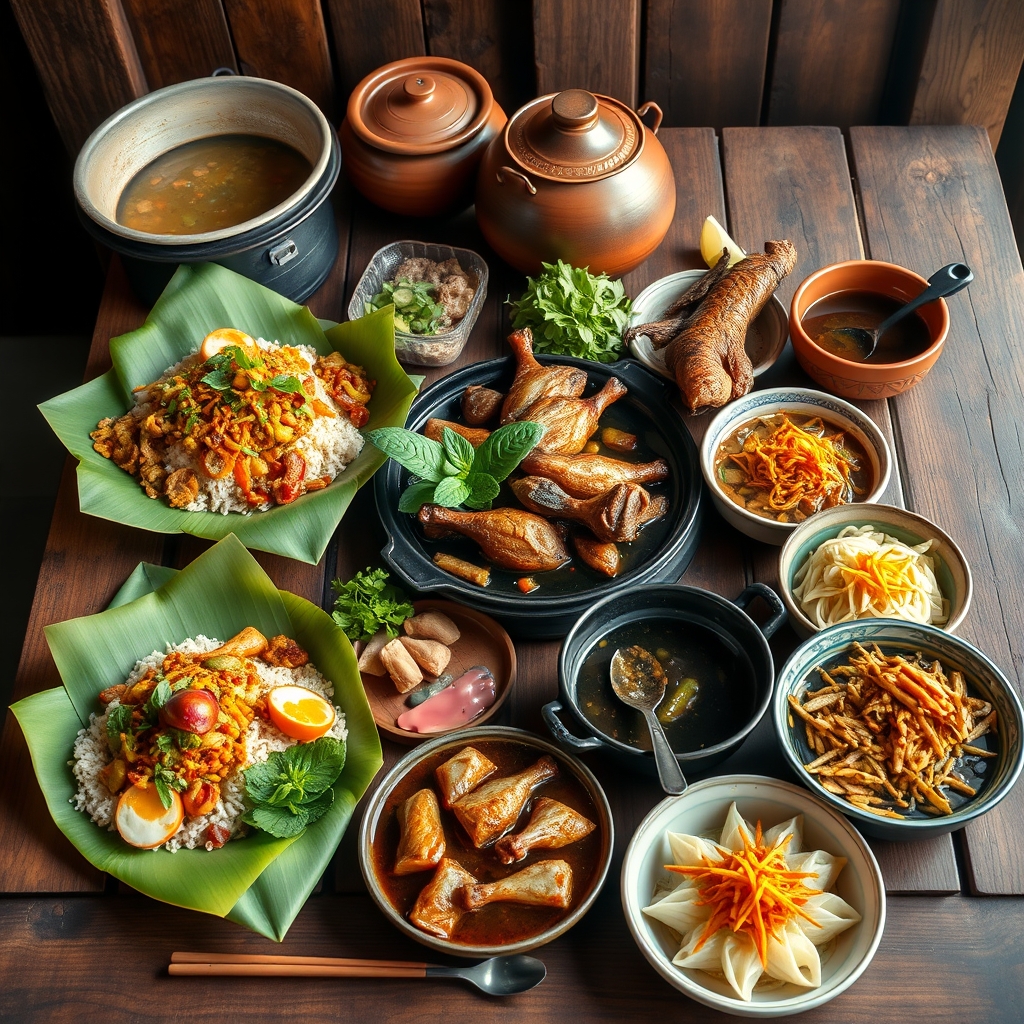
Indonesia’s culinary landscape is a sprawling atlas of flavors, where each dish is a coordinate on a map of history, migration, and tradition. Beyond the well-trodden paths of rendang and satay lie regional masterpieces that tell stories of trade winds, colonial whispers, and the quiet resilience of local communities. These are not just meals; they are edible cartographies, tracing the invisible lines that connect the archipelago’s diverse cultures. To taste them is to embark on a journey through time and terrain, where every bite reveals a new chapter of Indonesia’s untold culinary saga.
The Spice-Drenched Crossroads of Aceh
Aceh, the northernmost tip of Sumatra, is where the Indian Ocean’s currents meet the Malacca Strait, and its cuisine reflects this confluence of influences. Ayam Tangkap, or “captured chicken,” is a dish that embodies the region’s love affair with bold, aromatic spices. The chicken is marinated in a paste of lemongrass, turmeric, galangal, and kaffir lime leaves, then deep-fried until its edges turn crisp and golden. What makes this dish extraordinary is the cascade of fresh herbs—basil, mint, and torch ginger flowers—that are scattered over the chicken just before serving, releasing a fragrant cloud that envelops the plate. The name “tangkap” refers to the way the herbs are “captured” in the sizzling oil, infusing the meat with their vibrant essence. It’s a dish that feels like a celebration, a testament to Aceh’s role as a historic gateway for spice traders.
Not far from the bustling streets of Banda Aceh, Mie Aceh Kepiting offers another glimpse into the region’s culinary identity. This noodle dish is a symphony of textures and flavors, with thick, chewy noodles swimming in a rich, spiced broth teeming with crab meat. The broth is a labor of love, simmered for hours with shallots, garlic, chili, and a secret blend of spices that gives it a deep, almost smoky complexity. Served with a wedge of lime and a side of emping (crispy melinjo crackers), it’s a dish that demands to be savored slowly, each spoonful revealing another layer of Aceh’s spice-laden soul.
The Highland Secrets of West Sumatra
Traveling inland to the highlands of West Sumatra, the air grows cooler, and the flavors grow bolder. Nasi Padang Minangkabau is perhaps the most famous export of this region, but its origins are rooted in the Minangkabau people’s tradition of merantau, or wandering. The dish is a feast of contrasts: tender beef rendang, spicy sambal hijau, crispy fried chicken, and creamy coconut milk-based curries, all served atop a mound of steamed rice. What makes Nasi Padang unique is its presentation—dishes are stacked in towering piles, inviting diners to pick and choose their favorites. It’s a communal experience, a reflection of the Minangkabau’s matrilineal culture, where food is shared and stories are exchanged over every meal.
For those willing to venture off the beaten path, Sate Padang Pariaman
offers a tantalizing detour. Unlike its more famous cousin, Sate Padang, this version hails from the coastal town of Pariaman and features skewers of beef or offal, grilled over an open flame and served with a thick, spiced sauce made from rice flour, turmeric, and chili. The sauce is the star here—rich, slightly sweet, and tinged with the smokiness of the grill. It’s a dish that speaks to the resourcefulness of the Minangkabau people, who transform humble ingredients into something extraordinary. East Java’s coastline is a treasure trove of culinary surprises, where the sea’s bounty meets the region’s love for bold, umami-rich flavors. Rawon Setan Surabaya
, or “devil’s rawon,” is a dish that lives up to its name. This black-hued beef soup gets its color and depth from keluak, a nut native to the region that imparts a earthy, almost chocolatey flavor. The broth is simmered for hours with garlic, shallots, and a blend of spices, resulting in a dish that is both comforting and complex. Served with a side of bean sprouts, salted eggs, and a dollop of sambal, Rawon Setan is a dish that demands courage—and rewards the brave with its unforgettable taste. Further east, in the town of Sidoarjo, Kupang Lontong offers a lighter but no less flavorful experience. This dish features tiny clams, known as kupang, simmered in a fragrant broth of lemongrass, galangal, and turmeric, then served over compressed rice cakes (lontong) and topped with fried shallots and crispy tempeh. The broth is the soul of the dish—light yet deeply aromatic, with a subtle sweetness that balances the briny clams. It’s a dish that feels like a warm embrace, a reminder of the simple pleasures of coastal living. Central Java is a region where tradition is preserved with reverence, and its cuisine reflects this deep sense of heritage. Nasi Liwet Solo
is a dish that embodies the region’s love for slow-cooked, fragrant rice. The rice is cooked in coconut milk with lemongrass, bay leaves, and a touch of salt, then served with a variety of side dishes, from fried chicken to tempeh and hard-boiled eggs. What sets Nasi Liwet apart is its simplicity—it’s a dish that relies on the quality of its ingredients and the care with which it’s prepared. It’s often served at celebrations and family gatherings, a symbol of unity and tradition. For a taste of Solo’s street food scene, Tahu Tek Surabaya (though originally from Surabaya, it’s a staple in Solo as well) is a must-try. This dish features tofu, bean sprouts, and potatoes, all smothered in a rich, peanut-based sauce and topped with crispy crackers. The sauce is the star—sweet, spicy, and slightly tangy, with a texture that clings to every bite. It’s a dish that’s as fun to eat as it is delicious, a testament to the creativity of Indonesia’s street food vendors. Lombok, often overshadowed by its famous neighbor Bali, is home to one of Indonesia’s most fiery dishes: Ayam Taliwang. This grilled chicken dish is marinated in a paste of chili, garlic, shallots, and shrimp paste, then grilled over an open flame until charred and smoky. The chicken is served with a side of plecing kangkung (water spinach in spicy tomato sauce) and a wedge of lime, creating a balance of heat, acidity, and freshness. It’s a dish that’s not for the faint of heart, but for those who dare, it’s an unforgettable experience. In the southern reaches of Sulawesi, Coto Makassar Asli offers a glimpse into the region’s rich culinary heritage. This beef soup is a labor of love, with the meat simmered for hours in a broth infused with lemongrass, galangal, and a blend of spices. The dish is served with a side of ketupat (compressed rice cakes) and a sprinkle of fried shallots, creating a harmony of textures and flavors. What makes Coto Makassar unique is its use of jantung pisang (banana heart), which adds a subtle bitterness that balances the richness of the broth. It’s a dish that feels like a warm hug, a reminder of the comforts of home. Indonesia’s regional dishes are more than just food—they are living legacies, passed down through generations and infused with the stories of the people who create them. Each dish is a thread in the tapestry of the nation’s culinary identity, a testament to the diversity and richness of its culture. To explore these flavors is to embark on a journey through time and space, where every bite is a discovery and every meal is a celebration of the archipelago’s untold journeys.The Coastal Whispers of East Java
The Sweet and Savory Charms of Central Java
The Island Gems of Lombok and Sulawesi