A Culinary Journey Through Bali: Discovering the Island’s Most Iconic Dishes

Bali, often celebrated for its breathtaking landscapes and vibrant culture, is also a paradise for food enthusiasts. The island’s culinary scene is a rich tapestry of flavors, blending traditional spices, fresh ingredients, and time-honored cooking techniques. From the smoky aroma of grilled meats to the tangy kick of fresh sambals, Balinese cuisine offers an unforgettable experience for the senses. Whether you’re a seasoned traveler or a curious foodie, exploring Bali’s iconic dishes is a journey worth taking.
The Heart of Balinese Cuisine: Spice and Tradition
At the core of Balinese cuisine lies a deep respect for tradition and a mastery of spice. Many dishes are prepared using a blend of local spices known as base gede or base rajang, which typically includes garlic, shallots, turmeric, ginger, galangal, and chili. These spices are ground into a paste and form the foundation of many Balinese dishes, infusing them with layers of complex flavors. The use of fresh herbs like lemongrass, kaffir lime leaves, and basil further elevates the cuisine, creating a harmonious balance of heat, sweetness, and umami.
Ayam Betutu Gilimanuk: A Slow-Cooked Masterpiece
One of Bali’s most revered dishes, Ayam Betutu Gilimanuk, hails from the western town of Gilimanuk. This dish is a testament to the Balinese art of slow cooking. Chicken is marinated in a rich spice paste, wrapped in banana leaves, and then slow-cooked for hours until the meat is tender and infused with flavor. The result is a dish that is both aromatic and deeply satisfying, with the spices melding into the meat to create a symphony of taste. Ayam Betutu is often served during ceremonies and special occasions, making it a dish that carries cultural significance as well as culinary delight.
Babi Guling Gianyar: The Crown Jewel of Balinese Feasts
No exploration of Balinese cuisine would be complete without mentioning Babi Guling Gianyar, the island’s famous suckling pig. This dish is a centerpiece at celebrations and gatherings, where a whole pig is seasoned with turmeric, garlic, and other spices, then roasted over an open fire until the skin is crispy and the meat is succulent. The pig is typically served with a variety of accompaniments, including crispy skin, tender meat, lawar (a traditional mix of vegetables and minced meat), and steamed rice. The combination of textures and flavors makes Babi Guling a must-try for anyone visiting Bali.
Street Food Delights: A Taste of Everyday Bali
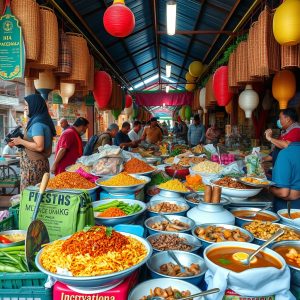
While ceremonial dishes like Ayam Betutu and Babi Guling are highlights of Balinese cuisine, the island’s street food scene offers a more accessible and equally delicious way to experience local flavors. From bustling night markets to roadside stalls, street food in Bali is a vibrant reflection of the island’s culinary creativity.
Nasi Jinggo Viral: The Instagram-Worthy Meal
In recent years, Nasi Jinggo has taken Bali’s food scene by storm, becoming a viral sensation among locals and tourists alike. This humble dish consists of a small portion of rice served with an array of side dishes, including shredded chicken, fried tempeh, hard-boiled egg, and sambal. What makes Nasi Jinggo unique is its presentation—it’s typically served in a banana leaf or small container, making it easy to eat on the go. The dish’s affordability and delicious flavors have made it a favorite among those looking for a quick and satisfying meal.
Sate Lilit Ikan: A Unique Twist on Satay
Satay is a beloved dish across Indonesia, but Bali puts its own spin on it with Sate Lilit Ikan. Unlike traditional satay, which consists of skewered and grilled meat, Sate Lilit is made from minced fish mixed with coconut, lime leaves, and spices, then wrapped around lemongrass or bamboo sticks. The result is a juicy, flavorful skewer that is both tender and aromatic. Sate Lilit is often served with a side of spicy sambal, adding an extra kick to the dish. It’s a perfect example of how Balinese cuisine takes familiar ingredients and transforms them into something entirely new.
Sweet and Savory: Balinese Snacks and Desserts
Balinese cuisine isn’t just about savory dishes—it also boasts a variety of sweet treats and snacks that are as delicious as they are unique. These traditional snacks, known as Jaja Bali, are often made from rice flour, coconut, and palm sugar, resulting in a delightful mix of textures and flavors.
Klepon: The Sweet, Chewy Delight
One of the most popular Jaja Bali is Klepon, a small, round snack made from glutinous rice flour and filled with palm sugar. The balls are boiled until they float to the surface, then rolled in grated coconut. When bitten into, the palm sugar filling oozes out, creating a sweet and gooey surprise. Klepon is often enjoyed as a snack or dessert and is a favorite among both locals and visitors.
Rujak Kuah Pindang: A Refreshing Salad with a Twist
For those looking for something refreshing, Rujak Kuah Pindang is a must-try. This traditional Balinese salad is made from a mix of fruits and vegetables, including mango, pineapple, cucumber, and young jackfruit, all tossed in a tangy and slightly spicy dressing made from fermented fish broth, tamarind, and chili. The combination of sweet, sour, and spicy flavors makes Rujak Kuah Pindang a perfect dish to enjoy on a hot day, offering a burst of freshness with every bite.
Sambals: The Soul of Balinese Cuisine
No discussion of Balinese food would be complete without mentioning sambals, the fiery condiments that accompany almost every meal. Sambals are more than just a side dish—they are an essential part of the Balinese dining experience, adding heat, depth, and complexity to any meal.
Sambal Matah Segar: The Fresh and Zesty Condiment
Sambal Matah Segar is one of Bali’s most beloved sambals, known for its fresh and zesty flavors. Unlike cooked sambals, Sambal Matah is made from raw ingredients, including shallots, lemongrass, bird’s eye chili, and kaffir lime leaves, all mixed with a squeeze of lime juice and a drizzle of coconut oil. The result is a bright, tangy, and slightly spicy condiment that pairs perfectly with grilled meats, seafood, or even a simple plate of rice. Its freshness makes it a standout in the world of sambals, offering a refreshing contrast to richer dishes.
Sambal Embe Bali: The Smoky and Spicy Delight
For those who prefer their sambals with a smoky kick, Sambal Embe Bali is a must-try. This sambal is made from grilled chili peppers, garlic, and shallots, which are then ground into a paste and mixed with shrimp paste and lime juice. The grilling process gives Sambal Embe its signature smoky flavor, while the shrimp paste adds a deep, umami richness. It’s a versatile condiment that can be used to spice up everything from grilled fish to fried rice, making it a staple in many Balinese households.
Exploring Balinese cuisine is like embarking on a journey through the island’s history, culture, and traditions. Each dish tells a story, whether it’s the slow-cooked Ayam Betutu that reflects the patience and care of Balinese cooking or the vibrant street food that showcases the island’s creativity and resourcefulness. The flavors of Bali are as diverse as its landscapes, offering something for every palate. Whether you’re savoring a plate of Babi Guling at a festive gathering or enjoying a quick bite of Nasi Jinggo by the roadside, the food of Bali is an experience that lingers long after the last bite.