Beyond the Plate: The Untold Stories Behind Indonesia’s Most Captivating Regional Dishes
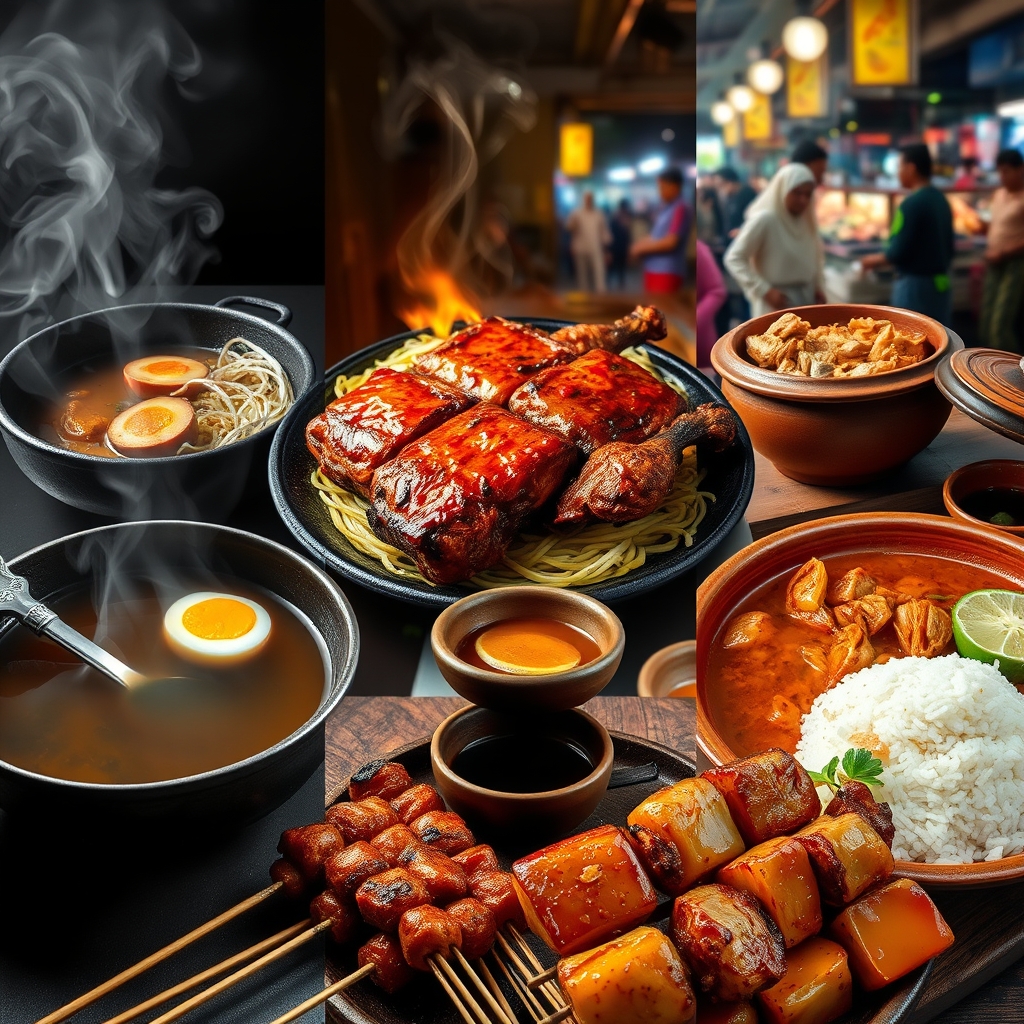
Indonesia’s culinary landscape is a vibrant tapestry woven with threads of history, culture, and geography. Each region boasts dishes that are not just meals but narratives—stories of trade, migration, and tradition simmered into every bite. While rendang and nasi goreng often steal the spotlight, the true magic lies in the lesser-known gems that carry the soul of their origins. These are the dishes that don’t just feed the body but nourish the spirit, offering a taste of the archipelago’s untold stories.
The Fiery Legacy of Ayam Taliwang Lombok
On the sun-drenched island of Lombok, Ayam Taliwang reigns as a fiery testament to Sasak culinary ingenuity. This grilled chicken dish is marinated in a paste of shallots, garlic, chili, and shrimp paste, then basted with a sweet and spicy sauce made from palm sugar and bird’s eye chilies. The result is a dish that balances heat with a smoky sweetness, a reflection of Lombok’s volcanic landscapes and the resilience of its people. Traditionally cooked over coconut husks, Ayam Taliwang is more than food—it’s a celebration of community, often served at gatherings and festivals where stories are shared as freely as the meal itself.
The Mystique of Rawon Setan Surabaya
In the bustling streets of Surabaya, Rawon Setan
—or “Devil’s Rawon”—lurks in the shadows of night markets, its dark, brooding broth a stark contrast to the city’s neon lights. This black-hued beef soup owes its color to the use of keluak nuts, a rare ingredient that imparts an earthy, almost umami depth to the dish. The name “Setan” (devil) hints at its late-night allure, a dish so rich and indulgent it’s said to tempt even the most disciplined souls. Served with bean sprouts, salted eggs, and a side of sambal, Rawon Setan is a dish that demands to be savored slowly, each spoonful a journey through Java’s spice-laden past. Yogyakarta’s Gudeg Yu Djum is a dish that dances between sweet and savory, a culinary metaphor for the city’s blend of tradition and modernity. Made from young jackfruit slow-cooked in coconut milk and palm sugar, Gudeg is a labor of love, often simmered for hours until the fruit absorbs the rich, caramelized flavors. The dish is named after its most famous purveyor, Yu Djum, a woman whose humble stall became a legend. Served with rice, chicken, and a hard-boiled egg, Gudeg is a dish that bridges generations, a taste of Yogyakarta’s royal heritage and its enduring spirit of innovation. In the quiet district of Bantul, just south of Yogyakarta, Sate Klatak offers a lesson in the power of simplicity. Unlike its more elaborate cousins, this satay is made from chunks of goat meat threaded onto iron skewers and grilled over an open flame. The name “klatak” refers to the sound of the skewers clinking against the grill, a rhythm that has become synonymous with the dish. Served with a side of rice and a spicy kecap manis dip, Sate Klatak is a testament to the beauty of minimalism, a dish that lets the natural flavors of the meat shine through. On the northern tip of Sumatra, Mie Aceh Kepiting is a dish that captures the essence of Aceh’s coastal bounty. This noodle dish is a symphony of flavors, featuring thick, chewy noodles stir-fried with crab, shrimp, and a medley of spices like turmeric, coriander, and lemongrass. The dish is often served with a side of emping (melinjo crackers) and a wedge of lime, adding a crisp, citrusy contrast to the rich, aromatic noodles. Mie Aceh Kepiting is more than just a meal—it’s a celebration of Aceh’s maritime heritage, a dish that tells the story of a region where the sea and the land meet in perfect harmony. In the vibrant city of Makassar, Coto Makassar is a dish that defies expectations. This beef soup is made with offal—intestines, lungs, and tripe—slow-cooked in a rich broth flavored with lemongrass, galangal, and turmeric. The dish is served with ketupat (rice cakes) and a generous sprinkle of fried shallots, creating a textural contrast that elevates the humble ingredients. Coto Makassar is a dish that challenges preconceptions, a testament to the resourcefulness of Sulawesi’s culinary traditions. It’s a reminder that beauty often lies in the unexpected, in the flavors that surprise and delight. These dishes are more than just food—they are portals to the past, windows into the lives and stories of the people who created them. They remind us that every meal is an opportunity to connect, to explore, and to celebrate the rich tapestry of Indonesia’s culinary heritage. Whether it’s the fiery heat of Ayam Taliwang or the sweet simplicity of Gudeg, each bite is an invitation to savor not just the flavors but the stories they carry. And perhaps, in doing so, we find a little piece of ourselves reflected in the plate.The Sweet and Savory Harmony of Gudeg Yu Djum
The Bold Simplicity of Sate Klatak Bantul
The Coastal Elegance of Mie Aceh Kepiting
The Hidden Depths of Coto Makassar Asli