Indonesia’s Culinary Tapestry: A Deep Dive into the Spice, Soul, and Stories of Regional Street Food
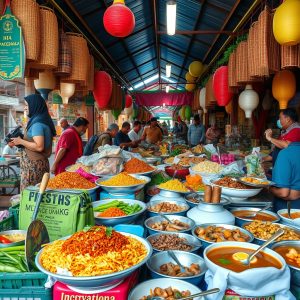
Indonesia’s streets are a symphony of sizzling woks, aromatic spices, and the hum of vendors calling out their specialties. Beyond the well-trodden path of satay and rendang lies a world of regional street food that tells the story of the archipelago’s diverse cultures, histories, and landscapes. Each dish is a chapter in a culinary narrative, where flavors are as bold as the traditions they represent. From the fiery heat of Lombok to the sweet, coconut-infused delicacies of Manado, these dishes are not just meals—they are experiences waiting to be savored.
The Fiery and Fragrant: Dishes That Pack a Punch
Ayam Taliwang: Lombok’s Spicy Legacy
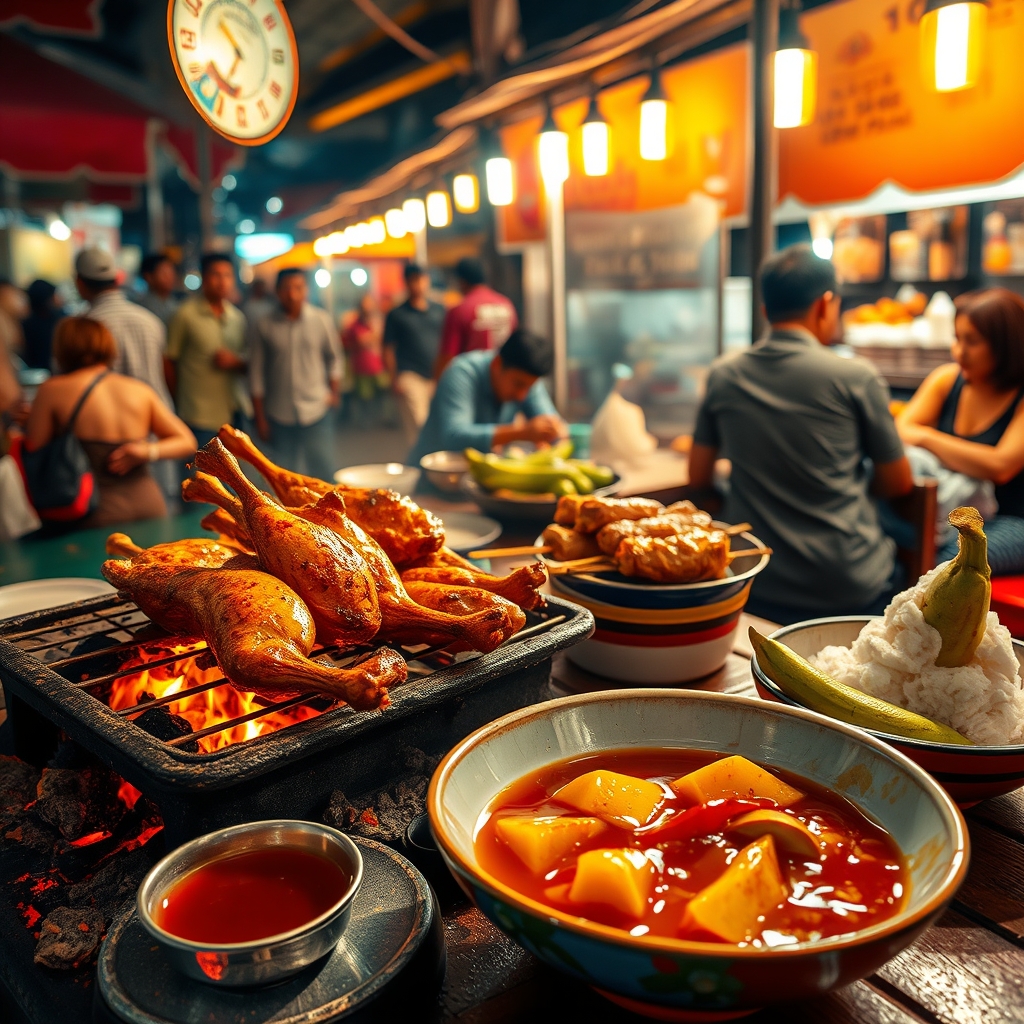
In the heart of Lombok, Ayam Taliwang reigns supreme as a dish that embodies the island’s love for heat and bold flavors. This grilled chicken dish is marinated in a paste of shallots, garlic, chili, and shrimp paste, then grilled over charcoal until the skin is crispy and the meat is tender. The real magic happens when it’s slathered with a sauce made from chilies, palm sugar, and tamarind, creating a balance of sweet, sour, and spicy that lingers on the palate. Traditionally served with plecing kangkung (spicy water spinach) and steamed rice, Ayam Taliwang is a testament to Lombok’s culinary prowess and its fearless embrace of spice.
Sate Klatak: Bantul’s Rustic Charm
Unlike the more common satay found across Indonesia, Sate Klatak from Bantul, Yogyakarta, is a dish that stands out for its simplicity and depth of flavor. The skewers are made from young goat meat, marinated only in salt and sometimes a touch of garlic, then grilled over an open flame until the edges char slightly. The name “klatak” comes from the sound the skewers make when they hit the grill, a rustic touch that adds to the dish’s charm. Served with a side of sweet and spicy kecap manis or a simple soy sauce dip, Sate Klatak is a celebration of minimalism in cooking, where the quality of the meat shines through.
The Sweet and Savory: Dishes That Comfort the Soul
Gudeg Yu Djum: Yogyakarta’s Sweet Masterpiece
No exploration of Indonesian street food would be complete without Gudeg, Yogyakarta’s iconic dish. Among the many versions, Gudeg Yu Djum stands out for its rich, caramelized flavor and tender young jackfruit. Slow-cooked for hours in coconut milk and palm sugar, the jackfruit absorbs the sweet and savory notes of the broth, resulting in a dish that is both hearty and delicate. Gudeg is typically served with a hard-boiled egg, crispy fried chicken, and a side of krecek (spicy cow skin stew), creating a symphony of textures and flavors. It’s a dish that has been perfected over generations, a true comfort food that warms the soul.
Nasi Liwet Solo: Central Java’s Fragrant Feast
In the royal city of Solo, Nasi Liwet is more than just a dish—it’s a cultural experience. This fragrant rice is cooked in coconut milk, chicken broth, and a blend of spices, including lemongrass, galangal, and bay leaves, giving it a rich, aromatic quality. Traditionally served on a banana leaf, Nasi Liwet is accompanied by a variety of side dishes such as chicken, tempeh, and a spicy sambal. The dish is often enjoyed during special occasions, but its popularity has made it a staple in Solo’s street food scene. The combination of tender rice and flavorful accompaniments makes Nasi Liwet a dish that lingers in the memory long after the last bite.
The Unique and Unexpected: Dishes That Surprise
Bebek Sinjay: Madura’s Crispy Delight
From the island of Madura comes Bebek Sinjay, a dish that transforms ordinary duck into an extraordinary culinary experience. The duck is marinated in a blend of turmeric, garlic, and other spices, then deep-fried until the skin is golden and crispy. The result is a dish that is both juicy and crunchy, with a flavor profile that is rich and aromatic. Bebek Sinjay is often served with a side of sambal and lontong (compressed rice cakes), adding a layer of texture and heat to the meal. It’s a dish that showcases Madura’s love for bold flavors and its mastery of frying techniques.
Klappertaart: Manado’s Tropical Indulgence
While Indonesia is known for its savory dishes, Klappertaart from Manado is a sweet treat that deserves just as much attention. This coconut custard cake is a fusion of Dutch and Indonesian flavors, with a soft, fluffy texture and a rich coconut filling. The cake is baked until golden and often topped with a layer of toasted coconut flakes, adding a delightful crunch. Klappertaart is a popular dessert in Manado, a city known for its love of seafood and tropical fruits. It’s a dish that offers a sweet respite from the spice and heat of Indonesian cuisine, a reminder that the archipelago’s culinary diversity extends to its desserts as well.
Es Pisang Ijo: Makassar’s Refreshing Classic
In the bustling streets of Makassar, Es Pisang Ijo
is a beloved dessert that offers a refreshing escape from the tropical heat. This dish features banana wrapped in a green pandan-flavored batter, steamed until tender, and then served with shaved ice, coconut milk, and palm sugar syrup. The combination of sweet, creamy, and icy textures makes Es Pisang Ijo a perfect treat for hot days. It’s a dish that highlights the creativity of Indonesian street food vendors, who transform simple ingredients into something truly extraordinary. Indonesia’s street food is a journey through the country’s heart and soul, where every dish tells a story of tradition, innovation, and passion. Whether it’s the fiery heat of Ayam Taliwang, the sweet comfort of Gudeg, or the surprising delight of Klappertaart, these dishes offer a glimpse into the rich tapestry of Indonesian culture. To taste them is to understand the spirit of the archipelago—a land where food is not just sustenance, but a celebration of life itself.