Indonesia’s Culinary Time Capsule: Rediscovering Forgotten Flavors and the Stories They Carry
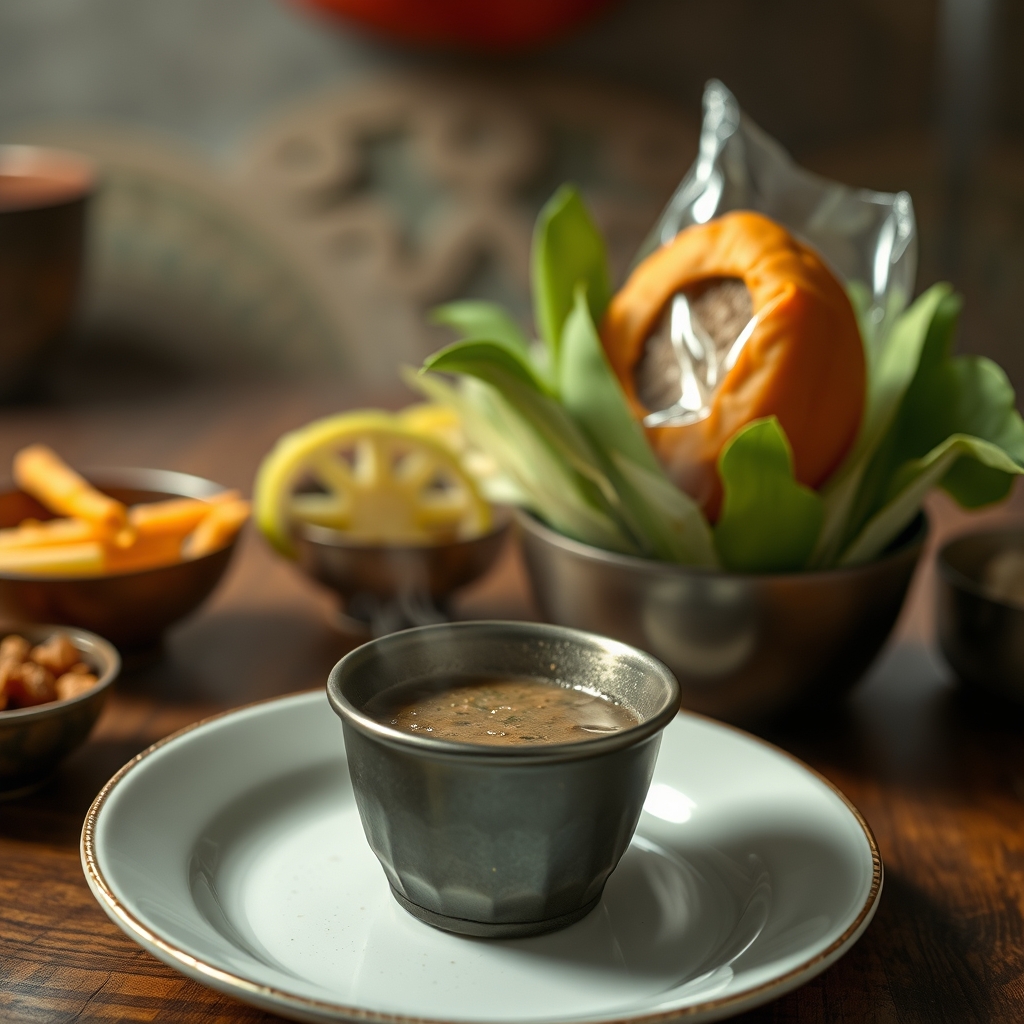
Indonesia’s culinary landscape is a living museum, where every dish is a time capsule preserving the whispers of history, migration, and tradition. Beyond the well-trodden paths of rendang and nasi goreng lies a treasure trove of regional delicacies, each with a story etched into its spices, techniques, and even the way it’s served. These are not just meals; they are narratives served on a plate, waiting to be uncovered by those willing to venture beyond the familiar.
The Spice Chronicles of Nasi Padang Minangkabau
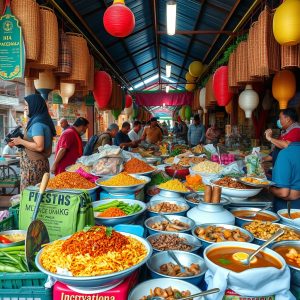
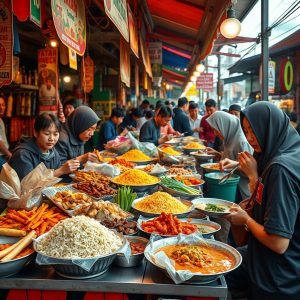
In the heart of West Sumatra, the Minangkabau people have perfected the art of balancing bold flavors with delicate harmony. Nasi Padang is not merely a dish but a spectacle—an array of vibrant curries, crispy fried fish, and tender meats, all served on a bed of steamed rice. The magic lies in the bumbu, a complex paste of turmeric, galangal, lemongrass, and chili, slow-cooked to perfection. What makes Nasi Padang unique is its communal nature; diners are presented with a dizzying assortment of dishes, allowing them to curate their own culinary experience. This tradition reflects the Minangkabau’s matrilineal culture, where food is a medium of connection, passed down through generations like heirlooms.
The Legend of Gudeg Yu Djum: Yogyakarta’s Sweet Symphony
Gudeg, Yogyakarta’s iconic jackfruit stew, is a dish that defies expectations. Its sweet, caramelized flavor, achieved through hours of slow-cooking young jackfruit in palm sugar and coconut milk, is a testament to Javanese patience and ingenuity. The most revered version comes from Gudeg Yu Djum, a legendary stall that has been serving the dish since 1950. The secret? A blend of spices including coriander, bay leaves, and teak leaves, which impart a subtle earthiness. Gudeg is often paired with krecek (spicy cow skin), hard-boiled eggs, and sambal goreng, creating a symphony of textures and tastes. It’s a dish that embodies the soul of Yogyakarta—gentle yet profound, sweet yet complex.
Rawon Setan Surabaya: The Devil’s Brew of East Java
Surabaya’s Rawon Setan is not for the faint of heart. Named after the devil (setan) for its late-night allure and fiery intensity, this black-hued beef soup is a masterclass in umami. The dark color comes from keluak, a nut native to Indonesia that lends a deep, earthy flavor. Combined with garlic, shallots, and a medley of spices, Rawon Setan is a dish that commands attention. Served with bean sprouts, salted eggs, and a side of sambal, it’s a meal that lingers long after the last spoonful. The dish’s origins are shrouded in mystery, but its reputation as a midnight snack for night owls and laborers speaks to its enduring appeal.
Sate Klatak Bantul: The Skewer That Defies Convention
While satay is a staple across Indonesia, Sate Klatak from Bantul, Yogyakarta, stands apart. Unlike its grilled counterparts, this satay is cooked over an open flame using iron skewers, which conduct heat directly into the meat, resulting in a juicy, smoky bite. The lamb or goat is marinated in a simple blend of salt, turmeric, and coriander, allowing the natural flavors to shine. Served with a side of gule (spiced coconut milk soup) and rice, Sate Klatak is a testament to the beauty of simplicity. Its name, derived from the Javanese word klatak (the sound of skewers hitting the grill), is a nod to the rustic charm of its preparation.
The Coastal Whispers of Ayam Tangkap Aceh
In the northern tip of Sumatra, Ayam Tangkap is more than just fried chicken—it’s a celebration of Aceh’s coastal bounty. The dish features chicken marinated in a paste of turmeric, coriander, and lemongrass, then deep-fried to crispy perfection. What sets it apart is the generous topping of fried cassava leaves, shallots, and chilies, which add a crunchy, aromatic contrast. The name tangkap (meaning