
From Garden to Gourmet: The Unexpected Ingredients Revolutionizing Your Plate
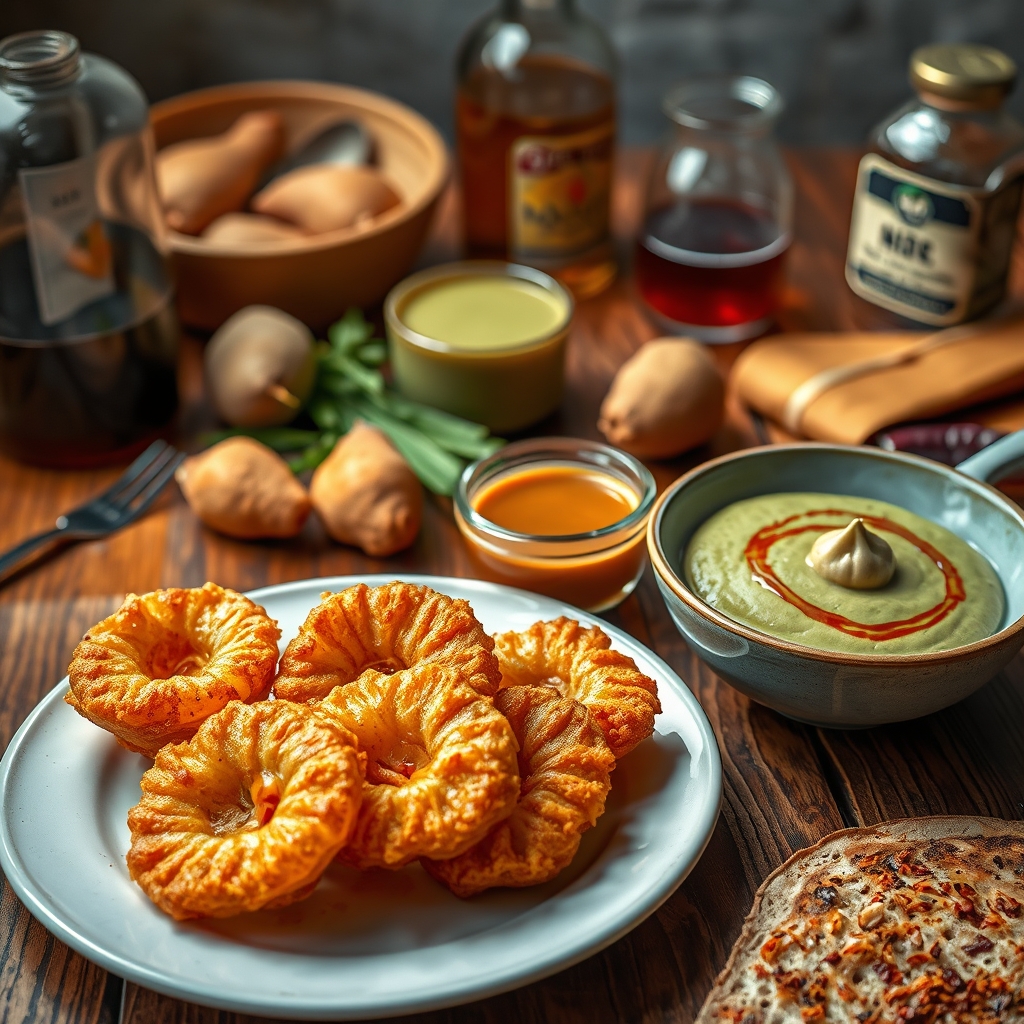
The culinary world is experiencing a quiet revolution, one where the boundaries of flavor and tradition are being gently pushed aside to make room for ingredients that are as surprising as they are delicious. This isn’t about reinventing the wheel—it’s about discovering new ways to roll it. From the depths of the ocean to the heart of the forest, and even the humble pantry, unexpected ingredients are finding their way into kitchens and onto plates, transforming the way we think about food.
The Ocean’s Plant-Based Secret
Seafood has long been a staple in diets around the world, but concerns about sustainability, overfishing, and environmental impact have led to a surge in plant-based alternatives. Enter plant-based seafood, a category that’s rapidly evolving from novelty to necessity. Brands are now crafting everything from shrimp to scallops using ingredients like konjac, seaweed, and pea protein, delivering the briny, umami-rich flavors of the sea without a single fish in sight. These innovations aren’t just for vegans—they’re for anyone looking to reduce their carbon footprint while still enjoying the flavors they love.
What’s particularly exciting is how these alternatives are being embraced by chefs who are using them to create dishes that are indistinguishable from their traditional counterparts. Imagine a plate of crispy, golden “calamari” made from king oyster mushrooms, or a creamy chowder where the clams are replaced with hearts of palm. The texture, the taste, the experience—it’s all there, proving that sometimes, the future of food doesn’t require sacrifice, just creativity.
The Mushroom That’s Brewing a Storm
Coffee lovers, rejoice—or perhaps, reconsider. Mushroom coffee is here, and it’s not what you think. This isn’t about adding fungi to your morning brew for a psychedelic experience; it’s about harnessing the earthy, rich flavors and health benefits of mushrooms like lion’s mane, chaga, and reishi to create a beverage that’s lower in caffeine, gentler on the stomach, and packed with antioxidants. The result? A cup of coffee that delivers a smooth, focused energy without the jitters or crash.
The rise of mushroom coffee is part of a broader trend toward functional beverages—drinks that do more than just quench your thirst. Whether it’s botanical elixirs infused with adaptogens like ashwagandha and rhodiola or hibiscus tea bursting with vitamin C, these concoctions are designed to nourish as much as they delight. And let’s not forget cold brew concentrate, which has become a staple for those who want their caffeine fix without the bitterness or acidity of traditional coffee. A splash of oat milk, a drizzle of spicy honey, and you’ve got a drink that’s as much a ritual as it is refreshment.
The Sweet and Savory Revolution
Desserts and condiments are getting a makeover, too. Take pistachio cream, for instance—a luscious, nutty spread that’s finding its way into everything from pastries to savory dishes. Its rich, buttery texture and subtle sweetness make it a versatile ingredient, whether it’s swirled into a cheesecake or used as a glaze for roasted vegetables. Then there’s ube desserts, where the vibrant purple yam from the Philippines is being transformed into cakes, ice creams, and even lattes, offering a naturally sweet, earthy flavor that’s as Instagram-worthy as it is delicious.
On the savory side, fermented condiments are having a moment. Think yuzu vinegar with its bright, citrusy tang, or gochujang glaze that brings a smoky, spicy depth to everything from grilled meats to roasted Brussels sprouts. And let’s not overlook crispy chili oil, a staple in many Asian cuisines that’s now becoming a global sensation. A spoonful of this fiery, crunchy condiment can elevate a simple bowl of noodles or a plate of dumplings into something extraordinary.
The Rise of Regenerative Grains and Flours
Baking is also getting an upgrade, thanks to a growing interest in regenerative grains and alternative flours. Sweet potato flour, for example, is a gluten-free powerhouse that adds a subtle sweetness and moisture to baked goods, making it a favorite among those with dietary restrictions. Meanwhile, sourdough flatbread is experiencing a renaissance, with bakers experimenting with ancient grains like einkorn and emmer to create loaves that are as nutritious as they are flavorful.
These grains aren’t just about taste—they’re about sustainability. Regenerative agriculture practices help restore soil health, sequester carbon, and support biodiversity, making them a win for both the planet and our plates. When you bite into a slice of bread made with these grains, you’re not just tasting the flour; you’re tasting the future of farming.
A New Era of Indulgence
Even indulgences are getting a makeover. Oat milk soft serve is proving that dairy-free desserts can be just as creamy and satisfying as their traditional counterparts, while non-alcoholic aperitifs are offering sophisticated, complex flavors for those who want to enjoy a night out without the alcohol. And let’s not forget the humble smash burger, a fast-food classic that’s being elevated with gourmet twists like black garlic pasta buns or a gochujang glaze that adds a spicy, umami kick.
These innovations aren’t about replacing what we love—they’re about expanding our culinary horizons. They’re about proving that food can be exciting, sustainable, and delicious all at once. Whether it’s a plant-based scallop that tastes like the ocean or a mushroom coffee that fuels your morning without the crash, these ingredients are redefining what it means to eat well. The next time you step into your kitchen, consider reaching for something unexpected. You might just discover your new favorite flavor.