The Forgotten Spice Trails: Indonesia’s Most Mysterious Regional Dishes and Their Hidden Origins
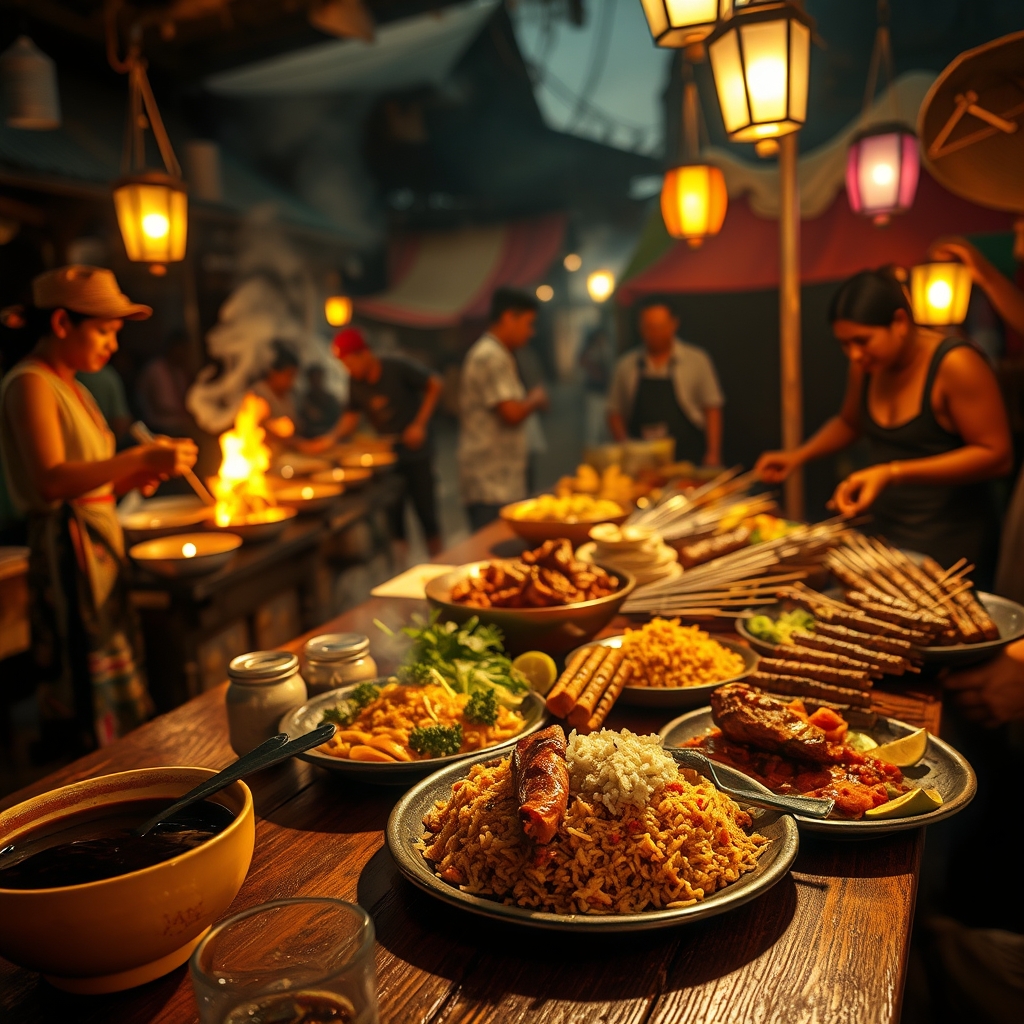
Indonesia’s culinary landscape is a labyrinth of flavors, where each dish carries whispers of ancient trade routes, colonial influences, and the ingenuity of local communities. Beyond the well-trodden paths of rendang and nasi goreng lie dishes so rare, so steeped in mystery, that they feel like culinary secrets passed down through generations. These are the flavors that don’t just tantalize the taste buds—they tell stories of survival, adaptation, and the unbreakable bond between land and people.
The Enigmatic Allure of Nasi Padang Minangkabau
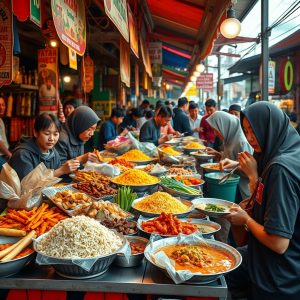
Few dining experiences in Indonesia are as theatrical as a meal at a Nasi Padang restaurant. Plates of vibrant, spice-laden dishes are stacked high, waiting to be chosen by diners. But the true magic lies in the rendang—not the dry, caramelized version that has won global acclaim, but the lesser-known gulai and kalio variations, where coconut milk and spices simmer into a rich, aromatic broth. The Minangkabau people, with their matrilineal culture, have perfected this cuisine over centuries, blending influences from Indian traders and Malay traditions. Every bite is a testament to their resilience, a flavor that refuses to be tamed.
The Devil’s Rawon: A Dish That Defies Convention
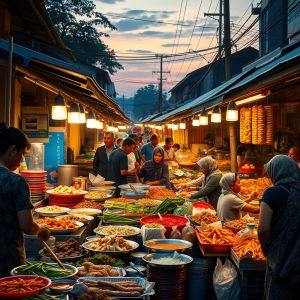
In the bustling streets of Surabaya, Rawon Setan—or “Devil’s Rawon”—lurks in the shadows of night markets. Its inky black broth, derived from the rare keluak nut, is a sight to behold, but it’s the depth of flavor that truly haunts the senses. Unlike its milder counterparts, Rawon Setan is unapologetically bold, with a fiery kick that lingers long after the last spoonful. Legend has it that the dish was named for its ability to “possess” those who dare to eat it late at night, its spices awakening a primal hunger. Whether myth or truth, one thing is certain: this is rawon at its most unfiltered, a dish that demands respect.
The Secret of Sate Klatak: A Skewer Like No Other
Most satay in Indonesia is tender, marinated, and grilled to perfection. But in Bantul, near Yogyakarta, Sate Klatak breaks all the rules. The skewers are made from iron, not bamboo, and the meat—usually goat or lamb—is left unmarinated, seasoned only with salt. The result is a smoky, charred exterior giving way to juicy, almost buttery flesh. The technique dates back to the Mataram Sultanate, where it was reserved for royal feasts. Today, it’s a humble street food, but its regal origins are unmistakable in every bite.
Aceh’s Ayam Tangkap: A Dish Born from Necessity
In the lush highlands of Aceh, Ayam Tangkap is more than just a dish—it’s a survival story. Traditionally made with wild chicken caught in the forests, the meat is pounded thin, then fried with an explosion of spices: lemongrass, turmeric, galangal, and a generous handful of daun kari (curry leaves). The name “tangkap” means “to catch,” a nod to the hunters who once relied on this dish for sustenance. Today, it’s a celebration of Aceh’s resourcefulness, a dish that turns simple ingredients into something extraordinary.
The Understated Elegance of Mie Aceh Kepiting
While Mie Aceh is often overshadowed by its spicier counterparts, the version with crab—Mie Aceh Kepiting—is a masterpiece of subtlety. The noodles, thick and chewy, are stir-fried with a fragrant paste of shallots, garlic, and chili, then crowned with succulent crab meat. What sets it apart is the broth, a light yet deeply flavorful concoction that ties everything together. It’s a dish that doesn’t shout for attention but instead seduces with its quiet complexity, a reflection of Aceh’s coastal charm.
The Mystique of Kupang Lontong Sidoarjo
In the small town of Sidoarjo, East Java, a humble dish made from tiny clams—kupang—has achieved cult status. Served with lontong (compressed rice cakes) and a tangy, spicy broth, Kupang Lontong is a symphony of textures: the chewiness of the rice, the brininess of the clams, and the crunch of fried shallots. The dish is said to have originated from the local fishing communities, who needed a way to preserve their catch. Today, it’s a beloved street food, a reminder that sometimes the most extraordinary flavors come from the simplest of origins.
The Sweet and Savory Puzzle of Klappertaart Manado
On the shores of Manado, a dessert defies categorization. Klappertaart, or coconut cake, is a relic of Dutch colonial influence, yet it has been transformed into something uniquely Indonesian. The cake is light and airy, with a custard-like texture, while the topping of toasted coconut adds a satisfying crunch. Some versions include cheese, creating a sweet-savory balance that is pure magic. It’s a dish that bridges cultures, a sweet ending to a meal that lingers like a fond memory.
These dishes are more than just food—they are fragments of history, snapshots of a time when spices were currency and every meal was a story waiting to be told. To taste them is to step into a world where flavor is heritage, and every bite carries the weight of centuries. The next time you find yourself in Indonesia, seek out these culinary secrets. They may be hidden, but their flavors are anything but quiet.