The Unseen Spice Trails: Indonesia’s Most Enigmatic Regional Dishes and Their Secret Histories
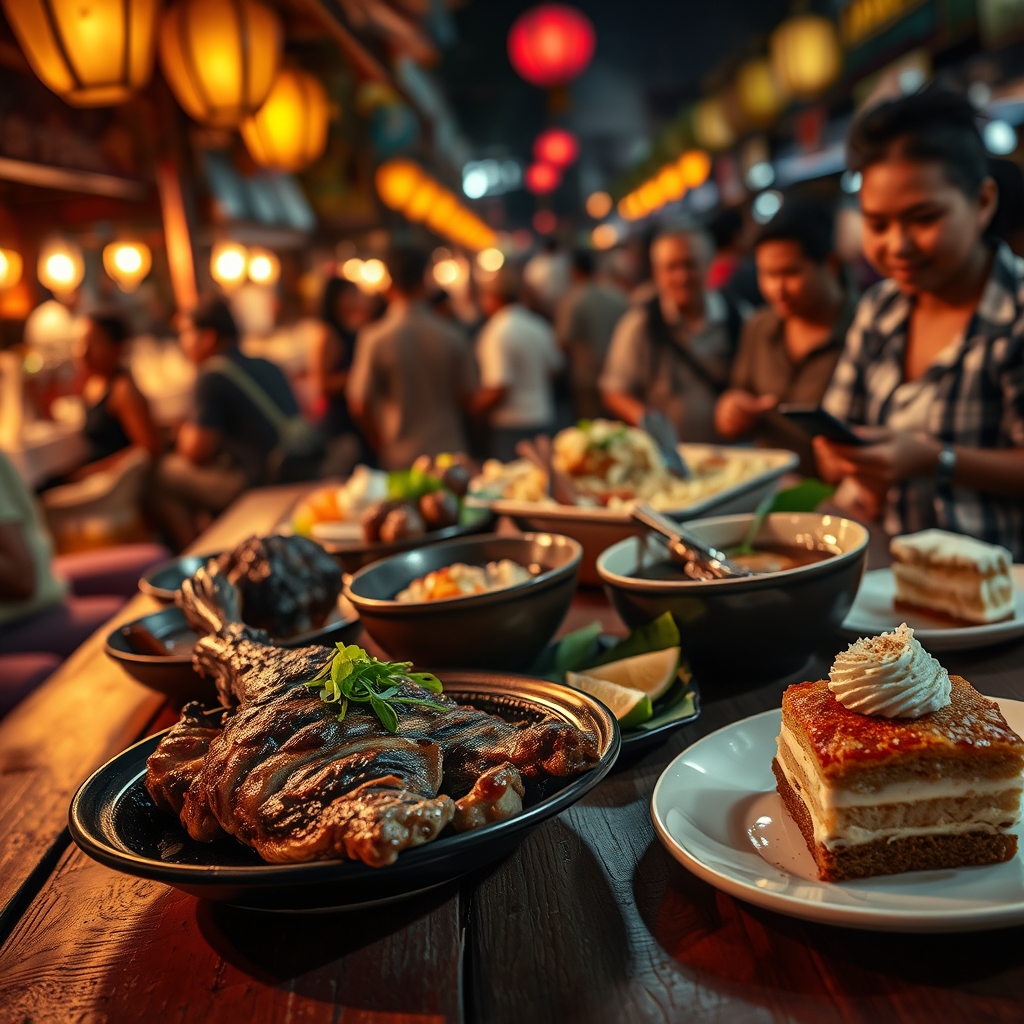
Indonesia’s culinary landscape is a labyrinth of flavors, where each dish carries whispers of trade winds, colonial echoes, and the quiet resilience of local traditions. Beyond the well-trodden paths of rendang and nasi goreng lie dishes so deeply rooted in their regions that they feel like secrets—shared only with those willing to venture off the beaten track. These are the flavors that don’t just feed the body but tell stories of migration, survival, and the alchemy of spice and soul.
The Fiery Whispers of Lombok: Ayam Taliwang
In the shadow of Mount Rinjani, the grills of Lombok sizzle with Ayam Taliwang, a dish that embodies the island’s fiery spirit. The chicken, split open and flattened like a book, is marinated in a paste of shallots, garlic, chili, and shrimp paste, then grilled over coconut husks for a smoky depth. The final touch? A drizzle of plecing sauce—tomatoes, lime, and more chili—so bold it could wake the dead. This isn’t just food; it’s a rite of passage for anyone who dares to taste it.
The Devil’s Brew of Surabaya: Rawon Setan
Surabaya’s Rawon Setan—literally “Devil’s Rawon”—is a dish that lives up to its name. Served in the dead of night, this black-hued beef soup gets its color from keluak, a nut with a flavor so earthy and complex it’s been called the truffle of Southeast Asia. The broth, rich with garlic, shallots, and a hint of tamarind, is ladled over tender beef and served with a side of sambal so potent it could double as a weapon. To eat it is to dance with the devil—and emerge victorious.
The Sweet Rebellion of Yogyakarta: Sate Klatak
In the heart of Java, Sate Klatak defies every rule of satay. Unlike its skewered cousins, this dish from Bantul is made with chunks of goat meat grilled over an open flame, the fat dripping onto the coals to create a smoky perfume. The skewers? Iron rods, not bamboo, because tradition demands durability. Served with a side of gule—a spiced coconut milk gravy—it’s a dish that refuses to be tamed, just like the spirit of Yogyakarta itself.
The Coconut Chronicles of Manado: Klappertaart
From the northern tip of Sulawesi comes Klappertaart, a dessert that feels like a hug from the tropics. This coconut cake, with its layers of custard and toasted coconut flakes, is a legacy of Dutch colonialism, yet it’s been reclaimed and perfected by Manado’s bakers. The texture is a revelation—creamy yet light, sweet but not cloying—and every bite is a reminder that even in fusion, there’s room for authenticity.
The Forgotten Feast of Banjar: Soto Banjar
In the humid lowlands of South Kalimantan, Soto Banjar is the dish that warms the soul. This chicken soup, infused with cinnamon, cardamom, and cloves, is a symphony of spices that feels like a hug from an old friend. The broth is clear yet rich, the chicken falling apart at the touch of a spoon, and the ketupat (rice cakes) soaking up every last drop. It’s a dish that doesn’t shout; it whispers, and those who listen are rewarded with a taste of home.
The Spicy Secrets of Aceh: Mie Aceh Kepiting
Aceh’s Mie Aceh Kepiting is a dish that wears its history on its sleeve. Thick, yellow noodles swim in a curry-like broth, studded with chunks of crab and a medley of spices that betray the region’s proximity to India and the Middle East. The heat is relentless, the flavors layered, and the experience? Unforgettable. It’s a dish that doesn’t just feed you; it transports you to the bustling streets of Banda Aceh, where the air is thick with the scent of chili and sea salt.
The Silent Revolution of Solo: Nasi Liwet
In the royal city of Solo, Nasi Liwet is more than just rice—it’s a statement. Cooked in coconut milk and chicken broth, the rice is infused with lemongrass, galangal, and pandan leaves, giving it a fragrance that lingers long after the last bite. Served with chicken, tempeh, and a hard-boiled egg, it’s a dish that feels like a secret shared between old friends. The best part? It’s often eaten with hands, the rice clumping together in a way that feels like a small act of rebellion against the fork.
These dishes are not just meals; they are time capsules, each one a thread in the vast tapestry of Indonesia’s culinary heritage. To taste them is to walk in the footsteps of generations past, to feel the heat of the grill, the sting of the chili, and the quiet comfort of a bowl of soup on a rainy day. They remind us that food is never just food—it’s memory, it’s identity, and sometimes, it’s the closest thing we have to magic.