The Hidden Flavors of Indonesia: A Journey Through Lesser-Known Regional Delights
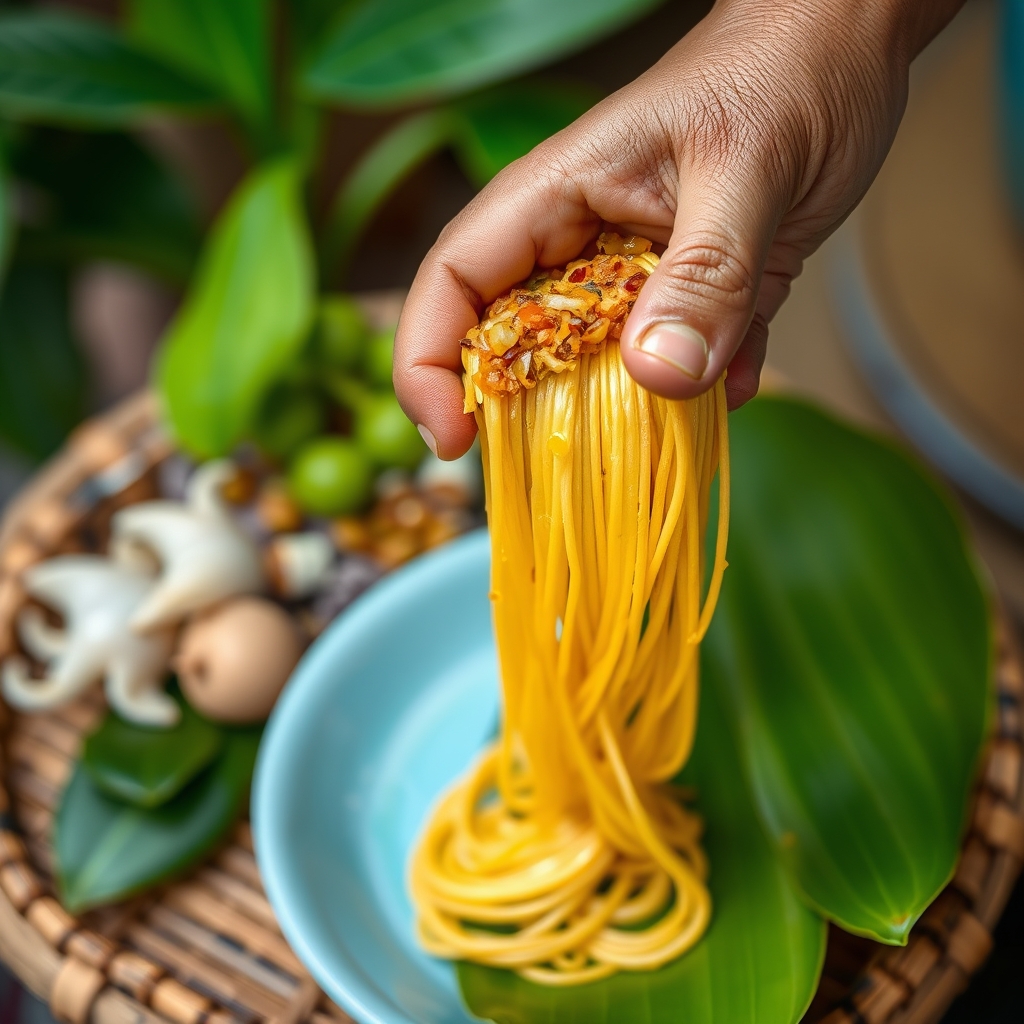
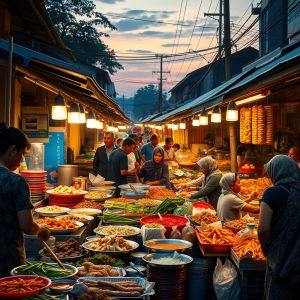
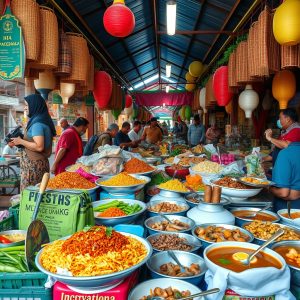
Indonesia’s culinary landscape is as vast and diverse as its archipelago, with each region offering a unique symphony of flavors, textures, and traditions. While dishes like Nasi Goreng and Rendang often steal the spotlight, there’s a treasure trove of lesser-known regional delicacies that deserve just as much attention. These hidden gems tell stories of culture, history, and community, waiting to be discovered by those willing to venture beyond the familiar.
The Spice-Infused Legacy of Nasi Padang Minangkabau
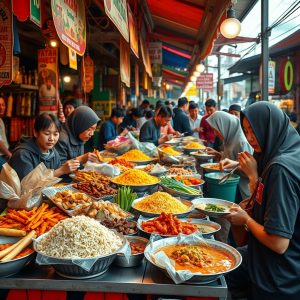
Hailing from the highlands of West Sumatra, Nasi Padang is more than just a meal—it’s an experience. The Minangkabau people, known for their matrilineal culture, have perfected the art of slow-cooked, spice-rich dishes that are served in a tantalizing array of small plates. From the fiery Gulai Ikan (fish curry) to the tender Rendang Daging (beef rendang), every bite is a testament to the region’s love affair with spices like turmeric, galangal, and lemongrass. The communal style of serving, where diners pick and choose from a spread of dishes, reflects the Minangkabau’s emphasis on togetherness and generosity.
The Sweet and Savory Allure of Gudeg Yu Djum
In the heart of Yogyakarta, Gudeg Yu Djum stands as a culinary icon, blending the sweetness of young jackfruit with the richness of coconut milk and palm sugar. This dish, slow-cooked for hours in a blend of spices, is a labor of love, often prepared overnight to achieve its signature caramelized texture. The addition of krecek (buffalo skin crackers) and hard-boiled eggs adds layers of contrast, making Gudeg a harmonious balance of flavors. It’s no wonder that this dish has become a symbol of Javanese hospitality, often served at celebrations and family gatherings.
The Bold and Unapologetic Flavors of Rawon Setan Surabaya
Surabaya’s Rawon Setan is not for the faint of heart. This dark, brooding beef soup gets its name—Setan means