The Spice-Drenched Odyssey: Indonesia’s Coastal and Highland Dishes That Whisper Forgotten Tales
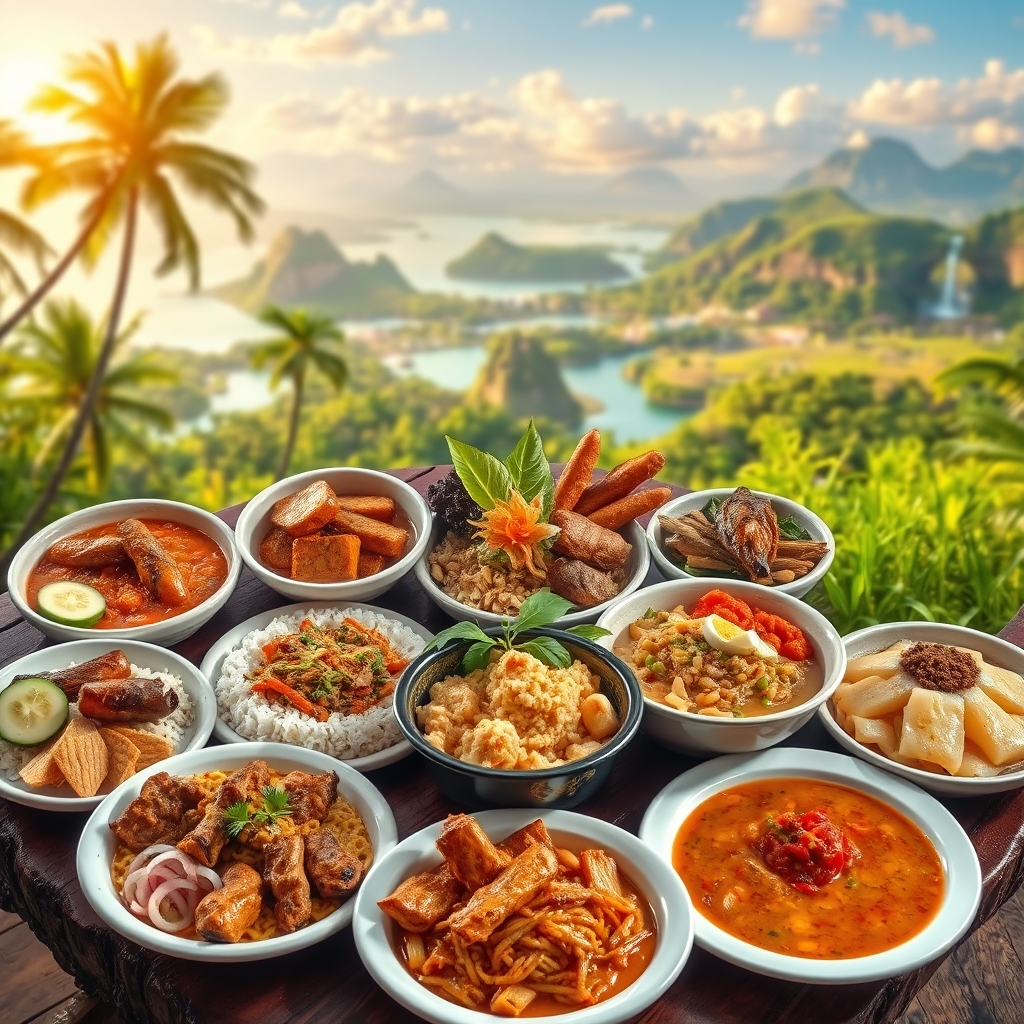
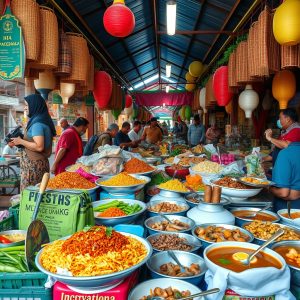
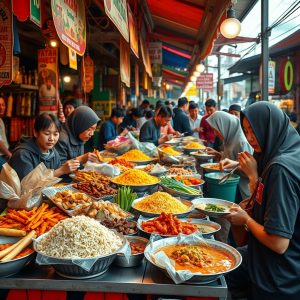
Indonesia, a nation of over 17,000 islands, is a culinary tapestry woven with threads of spice, tradition, and history. Each region boasts its unique dishes, steeped in local flavors and stories. Today, we embark on a spice-drenched odyssey through some of Indonesia’s most captivating coastal and highland dishes, each whispering forgotten tales of their origins and significance.
Nasi Padang Minangkabau
Our journey begins in the highlands of West Sumatra, where the Minangkabau people have perfected the art of Nasi Padang. This iconic dish is a symphony of flavors, featuring a variety of side dishes served with steamed rice. The main components include rendang, a slow-cooked beef stew, and gulai, a rich and tangy vegetable curry. The dish is often accompanied by sambal, a spicy chili sauce, and lauk-pauk, a selection of side dishes such as fried eggs, tempeh, and tofu. Nasi Padang is a testament to the Minangkabau’s love for spice and their ability to create a harmonious balance of flavors.
Gudeg Yu Djum
Next, we travel to the heart of Java, to the city of Yogyakarta, where the sweet and savory dance in harmony. Gudeg Yu Djum is a traditional Javanese dessert made from young jackfruit that has been slow-cooked in coconut milk until it becomes tender and sweet. The dish is often served with a side of nangka, a sweet young jackfruit, and a spicy chili sauce. Gudeg Yu Djum is a testament to the Javanese’ love for sweet and savory flavors, and their ability to create a harmonious balance of tastes.
Rawon Setan Surabaya
Our odyssey continues to the bustling city of Surabaya, where the fiery and fragrant embrace each other in the form of Rawon Setan. This traditional East Javanese dish is a rich and flavorful black soup made from slow-cooked beef, which is then blended into a smooth paste. The dish is often served with a side of rice and a spicy chili sauce. Rawon Setan is a testament to the Javanese’ love for spice and their ability to create a harmonious balance of flavors.
Sate Klatak Bantul
We now venture to the highlands of Bantul, where the smoky and sweet dance in harmony. Sate Klatak is a traditional Javanese dish made from marinated and grilled chicken, which is then skewered and served with a side of peanut sauce. The dish is often accompanied by a variety of side dishes, such as fried tempeh, tofu, and vegetables. Sate Klatak is a testament to the Javanese’ love for spice and their ability to create a harmonious balance of flavors.
Ayam Tangkap Aceh
Our journey takes us to the coastal region of Aceh, where the fiery and fragrant embrace each other in the form of Ayam Tangkap. This traditional Acehnese dish is a rich and flavorful curry made from chicken, which is then cooked in a coconut milk-based sauce. The dish is often served with a side of rice and a spicy chili sauce. Ayam Tangkap is a testament to the Acehnese’ love for spice and their ability to create a harmonious balance of flavors.
Bebek Sinjay Madura
We now travel to the island of Madura, where the fiery and fragrant embrace each other in the form of Bebek Sinjay. This traditional Madurese dish is a rich and flavorful duck dish, which is often cooked in a spicy and tangy sauce. The dish is often served with a side of rice and a variety of side dishes, such as fried tempeh, tofu, and vegetables. Bebek Sinjay is a testament to the Madurese’ love for spice and their ability to create a harmonious balance of flavors.
Soto Banjar Kalimantan
Our odyssey continues to the heart of Borneo, to the region of Kalimantan, where the fiery and fragrant embrace each other in the form of Soto Banjar. This traditional Banjarese dish is a rich and flavorful soup made from a variety of meats, which are then cooked in a spicy and tangy broth. The dish is often served with a side of rice and a variety of side dishes, such as fried tempeh, tofu, and vegetables. Soto Banjar is a testament to the Banjarese’ love for spice and their ability to create a harmonious balance of flavors.
Coto Makassar Asli
We now venture to the coastal region of Makassar, where the fiery and fragrant embrace each other in the form of Coto Makassar Asli. This traditional Makassarese dish is a rich and flavorful beef soup, which is often cooked in a spicy and tangy broth. The dish is often served with a side of rice and a variety of side dishes, such as fried tempeh, tofu, and vegetables. Coto Makassar Asli is a testament to the Makassarese’ love for spice and their ability to create a harmonious balance of flavors.
Mie Aceh Kepiting
Our journey takes us back to the coastal region of Aceh, where the fiery and fragrant embrace each other in the form of Mie Aceh Kepiting. This traditional Acehnese dish is a rich and flavorful noodle soup made from crab, which is then cooked in a spicy and tangy broth. The dish is often served with a side of rice and a variety of side dishes, such as fried tempeh, tofu, and vegetables. Mie Aceh Kepiting is a testament to the Acehnese’ love for spice and their ability to create a harmonious balance of flavors.
Kupang Lontong Sidoarjo
We now travel to the coastal region of Sidoarjo, where the fiery and fragrant embrace each other in the form of Kupang Lontong. This traditional Javanese dish is a rich and flavorful fish cake, which is often served with a side of rice and a variety of side dishes, such as fried tempeh, tofu, and vegetables. Kupang Lontong is a testament to the Javanese’ love for spice and their ability to create a harmonious balance of flavors.
Indonesia’s coastal and highland dishes are a testament to the nation’s rich culinary heritage. Each dish is steeped in local flavors and stories, and is a testament to the people’s love for spice and their ability to create a harmonious balance of flavors. As we conclude our spice-drenched odyssey, we are reminded of the importance of preserving and celebrating Indonesia’s diverse and vibrant culinary traditions.