Indonesia’s Flavorful Odyssey: Unveiling the Stories Behind 10 Legendary Regional Dishes

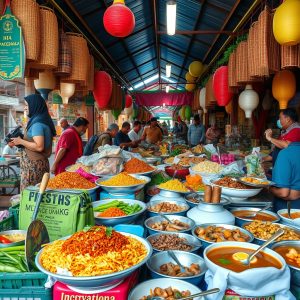
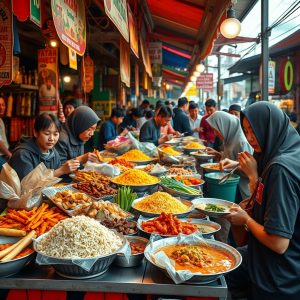
Indonesia’s culinary landscape is a vibrant mosaic of flavors, where each dish carries the soul of its region—whispering tales of tradition, resilience, and creativity. Beyond the well-trodden paths of satay and rendang lies a treasure trove of regional specialties, each with a story as rich as its taste. These dishes aren’t just meals; they’re cultural artifacts, passed down through generations, shaped by geography, history, and the ingenuity of local communities. Let’s embark on a journey to uncover the secrets behind ten of Indonesia’s most legendary regional dishes, where every bite is a chapter in a larger narrative.
The Fiery Legacy of Ayam Taliwang Lombok
On the sun-drenched island of Lombok, Ayam Taliwang reigns as the undisputed king of grilled chicken. Named after the village of Taliwang, this dish is a masterclass in balancing heat, sweetness, and smokiness. The chicken is marinated in a paste of shallots, garlic, chili, and shrimp paste, then grilled over coconut husks to infuse it with a deep, earthy aroma. What sets Ayam Taliwang apart is its signature plecing sauce—a fiery concoction of bird’s eye chilies, tomatoes, and lime juice that packs a punch but leaves you craving more. It’s a dish born from the Sasak people’s love for bold flavors, a testament to Lombok’s reputation as the island where spice isn’t just an ingredient—it’s a way of life.
The Devil’s Brew: Rawon Setan Surabaya
In the bustling streets of Surabaya, Rawon Setan (literally “Devil’s Rawon”) is a dish that lives up to its name. This midnight-black beef soup, enriched with keluak nuts, is a nocturnal staple, often enjoyed in the wee hours by night owls and late-night revelers. The dish’s dark hue comes from the keluak, a fermented nut that lends a deep, umami-rich flavor, while the broth is infused with lemongrass, galangal, and a blend of spices that dance on the palate. Rawon Setan isn’t just food; it’s an experience, a rite of passage for those who dare to indulge in its intense, almost mystical flavors. Served with a side of sambal and crispy shallots, it’s a dish that demands to be savored slowly, preferably under the cover of darkness.
The Sweet and Savory Symphony of Gudeg Yu Djum
No exploration of Indonesian cuisine would be complete without Gudeg, the iconic dish of Yogyakarta. Among the many versions, Gudeg Yu Djum stands out for its perfect harmony of sweet and savory notes. This jackfruit stew is slow-cooked for hours in coconut milk and palm sugar, resulting in a tender, caramelized delight that’s as comforting as it is complex. The dish is traditionally served with krecek (spicy cow skin), hard-boiled eggs, and a side of rice, creating a symphony of textures and flavors. Gudeg Yu Djum isn’t just a meal; it’s a labor of love, a dish that embodies the Javanese philosophy of guyub—harmony and togetherness. It’s no wonder that this humble jackfruit stew has become a symbol of Yogyakarta’s rich cultural heritage.
The Spicy Elegance of Sate Padang Pariaman
While satay is a staple across Indonesia, Sate Padang Pariaman takes this beloved dish to new heights. Originating from West Sumatra, this satay is distinguished by its thick, spiced peanut sauce, which is poured generously over the skewered meat. The sauce is a complex blend of turmeric, coriander, cumin, and chili, simmered to perfection and thickened with rice flour. The meat—usually beef or offal—is marinated in a mixture of spices before being grilled, ensuring every bite is tender and flavorful. Sate Padang Pariaman is more than just street food; it’s a culinary masterpiece, a dish that reflects the Minangkabau people’s deep connection to their land and their love for bold, aromatic flavors.
The Coastal Charms of Kupang Lontong Sidoarjo
On the eastern edge of Java, Kupang Lontong Sidoarjo is a dish that celebrates the bounty of the sea. This hearty soup features kupang (tiny mussels) simmered in a fragrant broth of lemongrass, galangal, and turmeric, served over compressed rice cakes (lontong) and topped with crispy fried shallots. The dish is a testament to the resourcefulness of the people of Sidoarjo, who have turned humble ingredients into a culinary delight. The combination of tender mussels, chewy rice cakes, and aromatic broth creates a symphony of flavors that’s both comforting and invigorating. It’s a dish that speaks to the region’s coastal identity, a reminder of the sea’s generosity and the creativity of those who call its shores home.
The Smoky Allure of Sate Klatak Bantul
In the heart of Yogyakarta, Sate Klatak Bantul is a dish that defies convention. Unlike traditional satay, which is grilled over charcoal, Sate Klatak is cooked over an open flame using iron skewers, giving the meat a smoky, almost charred flavor. The skewers are made from bicycle spokes, a nod to the resourcefulness of the local vendors who first created this dish. The meat—usually goat or lamb—is marinated in a simple blend of salt, pepper, and turmeric, allowing the natural flavors to shine. Served with a side of sambal and rice, Sate Klatak is a dish that’s as rustic as it is delicious, a testament to the beauty of simplicity in Indonesian cuisine.
The Exotic Flavors of Mie Aceh Kepiting
On the northern tip of Sumatra, Mie Aceh Kepiting is a dish that captures the essence of Aceh’s rich cultural heritage. This noodle dish is a fusion of Indonesian, Indian, and Middle Eastern flavors, reflecting the region’s history as a melting pot of cultures. The noodles are stir-fried with crab, shrimp, and a medley of spices, including turmeric, coriander, and chili, creating a dish that’s both hearty and aromatic. The addition of kecap manis (sweet soy sauce) and lime juice adds a tangy sweetness that balances the heat of the spices. Mie Aceh Kepiting isn’t just a meal; it’s a journey through time, a dish that tells the story of Aceh’s vibrant past and its enduring love for bold, exotic flavors.
The Comforting Simplicity of Nasi Liwet Solo
In the royal city of Solo, Nasi Liwet is a dish that embodies the elegance and simplicity of Javanese cuisine. This fragrant rice dish is cooked in coconut milk and chicken broth, infused with lemongrass, pandan leaves, and a blend of spices. It’s traditionally served with chicken, tempeh, and a side of opor ayam (coconut milk-based chicken curry), creating a meal that’s both comforting and sophisticated. Nasi Liwet is often enjoyed during special occasions, a dish that brings families together and celebrates the beauty of tradition. It’s a reminder that sometimes, the simplest dishes are the most profound, a testament to the enduring power of Javanese culinary artistry.
The Sweet Indulgence of Bika Ambon Medan
No culinary journey through Indonesia would be complete without a taste of Bika Ambon, the iconic honeycomb cake from Medan. This golden-brown delicacy is made from a batter of tapioca flour, eggs, and coconut milk, baked until it develops its signature spongy texture. The cake’s name is a bit of a misnomer—it’s not from Ambon, but from Medan, where it’s become a beloved treat. Bika Ambon is often enjoyed with a cup of coffee, its sweet, slightly chewy texture making it the perfect companion for a lazy afternoon. It’s a dish that speaks to the creativity of Indonesian bakers, a sweet indulgence that’s as much a part of the country’s culinary identity as its savory dishes.
These ten dishes are more than just food; they’re a celebration of Indonesia’s diversity, a testament to the creativity and resilience of its people. Each bite tells a story, a reminder of the rich cultural tapestry that makes Indonesian cuisine one of the most vibrant in the world. Whether it’s the fiery heat of Ayam Taliwang or the comforting simplicity of Nasi Liwet, these dishes invite us to explore, to savor, and to connect with the heart of Indonesia. So the next time you find yourself in front of a steaming plate of regional delicacies, take a moment to appreciate the history, the tradition, and the love that went into creating it—because in Indonesia, every meal is an adventure.