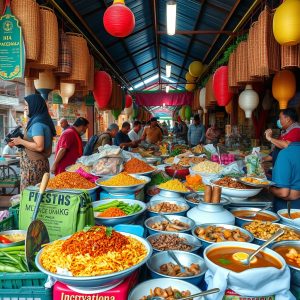
Sate Ayam Madura: The Secret to Grilling Perfect Chicken Satay

Few dishes capture the vibrant spirit of Indonesian cuisine as vividly as Sate Ayam Madura. Originating from the island of Madura, off the northeastern coast of Java, this beloved street food has transcended its regional roots to become a national treasure. What sets it apart is not just its smoky aroma or tender texture, but the meticulous balance of spices and grilling techniques that transform simple chicken into an unforgettable culinary experience. Whether you’re a seasoned grill master or a home cook eager to explore new flavors, mastering Sate Ayam Madura is a journey worth taking.
The Rich History Behind the Skewers
Satay, in its many forms, has been a staple of Southeast Asian cuisine for centuries, but Sate Ayam Madura holds a special place in Indonesia’s culinary heritage. Madura’s strategic location along ancient trade routes exposed it to a melting pot of influences—Indian, Arab, Chinese, and Malay—each leaving an indelible mark on its food culture. The island’s version of satay is believed to have evolved during the 19th century, when traders and travelers would gather in bustling markets, grilling skewers over open flames as a quick, satisfying meal.
Unlike other regional satays that might use beef, goat, or even offal, Sate Ayam Madura is defined by its use of chicken, specifically the thigh meat, which stays juicy even after high-heat grilling. The marinade, a closely guarded secret among Madurese cooks, blends sweet, savory, and spicy elements into a paste that clings to the meat, ensuring every bite is packed with flavor. Over time, the dish became synonymous with Madura’s identity, so much so that it’s now a must-try for anyone visiting the island—or any Indonesian warung (eatery) across the country.
The Signature Marinade: A Symphony of Spices
At the heart of Sate Ayam Madura lies its marinade, a complex yet harmonious blend of ingredients that elevates the chicken from ordinary to extraordinary. The base typically includes shallots, garlic, coriander, turmeric, and candlenuts (or macadamia nuts as a substitute), all ground into a smooth paste. Palm sugar or brown sugar is added for sweetness, while kecap manis—a thick, sweet soy sauce—lends depth and a glossy finish. A splash of lime juice or tamarind provides a tangy contrast, cutting through the richness of the meat.
What truly sets Madurese marinade apart is the use of petis, a fermented shrimp paste that adds an umami punch. This ingredient, often overlooked in Western cooking, is a game-changer, infusing the chicken with a deep, savory note that lingers on the palate. The marinade isn’t just brushed on; the chicken is massaged with it, allowing the flavors to penetrate every fiber. For the best results, let the meat marinate for at least four hours, though overnight is ideal for maximum flavor infusion.
Pro Tips for the Perfect Marinade
To achieve authentic Sate Ayam Madura at home, pay attention to these key details:
- Balance the sweet and savory: The ratio of kecap manis to spices should be just right—too much sugar can overpower the other flavors, while too little leaves the marinade flat.
- Don’t skip the petis: If you can’t find fermented shrimp paste, a combination of fish sauce and a pinch of MSG can mimic its umami depth, though the flavor won’t be identical.
- Use fresh spices: Pre-ground spices lose their potency quickly. Toast whole coriander and cumin seeds before grinding them for a more aromatic marinade.
Grilling Techniques for Juicy, Flavorful Satay
Grilling Sate Ayam Madura is an art that requires patience and attention to detail. The goal is to achieve a charred exterior while keeping the meat tender and juicy inside. Traditional Madurese vendors use coconut husk or charcoal for grilling, which imparts a distinct smokiness that gas or electric grills can’t replicate. If you’re using a charcoal grill, let the coals burn until they’re covered with white ash—this ensures even heat distribution and prevents flare-ups that can burn the skewers.
The chicken should be threaded onto skewers in small, even pieces, leaving a little space between each piece to ensure even cooking. Bamboo skewers are traditional, but they must be soaked in water for at least 30 minutes before grilling to prevent them from burning. Grill the satay over medium-high heat, turning frequently to avoid charring. Baste the skewers with leftover marinade or a mix of kecap manis and oil during cooking to keep them moist and glossy.
Common Grilling Mistakes to Avoid
Even experienced cooks can fall into these pitfalls when making satay:
- Overcrowding the skewers: Packing the chicken too tightly prevents even cooking and can lead to steaming rather than grilling.
- Using high heat: While it’s tempting to crank up the heat for a quick sear, this often results in dry, tough meat. Medium-high heat is ideal for achieving a caramelized crust without sacrificing juiciness.
- Skipping the resting time: Let the satay rest for a few minutes after grilling to allow the juices to redistribute. Cutting into it too soon can cause the meat to dry out.
Dipping Sauces and Side Dishes: The Perfect Pairings
No plate of Sate Ayam Madura is complete without its accompaniments. The most iconic pairing is sambal kacang, a rich peanut sauce made with ground peanuts, chili, garlic, and a touch of palm sugar. The sauce’s creamy texture and nutty flavor complement the smoky satay beautifully. For a lighter option, try sambal kecap, a simple yet fiery condiment made with sliced shallots, bird’s eye chilies, and kecap manis.
Traditional side dishes include ketupat (compressed rice cakes) or lontong (rice cakes wrapped in banana leaves), which soak up the sauces and add a satisfying chew. Fresh cucumber and tomato slices provide a refreshing contrast, while acar (pickled vegetables) adds a tangy crunch. For a modern twist, serve the satay with jasmine rice or a simple salad of shredded cabbage and carrots.
Making Sambal Kacang from Scratch
While store-bought peanut sauce can be convenient, nothing beats the flavor of homemade sambal kacang. Here’s a quick recipe to try:
- Blend 1 cup of roasted peanuts, 2 cloves of garlic, 1-2 red chilies (adjust to taste), 1 teaspoon of shrimp paste, and 1 tablespoon of palm sugar until smooth.
- Transfer the mixture to a saucepan and add 1 cup of coconut milk, 1 tablespoon of kecap manis, and a pinch of salt. Simmer over low heat, stirring constantly, until the sauce thickens.
- Finish with a squeeze of lime juice and a sprinkle of fried shallots for extra crunch.
The beauty of Sate Ayam Madura lies in its simplicity—just a few skewers of grilled chicken can transport you to the bustling streets of Madura, where the air is filled with the scent of smoldering charcoal and the sizzle of marinated meat. It’s a dish that celebrates the harmony of spices, the skill of grilling, and the joy of sharing a meal with others. Whether you’re firing up the grill for a weekend barbecue or recreating a taste of Indonesia in your kitchen, the secret to perfect satay is in the details: a well-balanced marinade, patient grilling, and the right accompaniments to bring it all together. And once you’ve mastered it, you’ll understand why this humble street food has captured the hearts of food lovers around the world.