
The Vibrant Fusion: How Sweet Potato Flour, Ube Desserts, and Non-Alcoholic Aperitifs Are Crafting a Bold New Culinary Identity
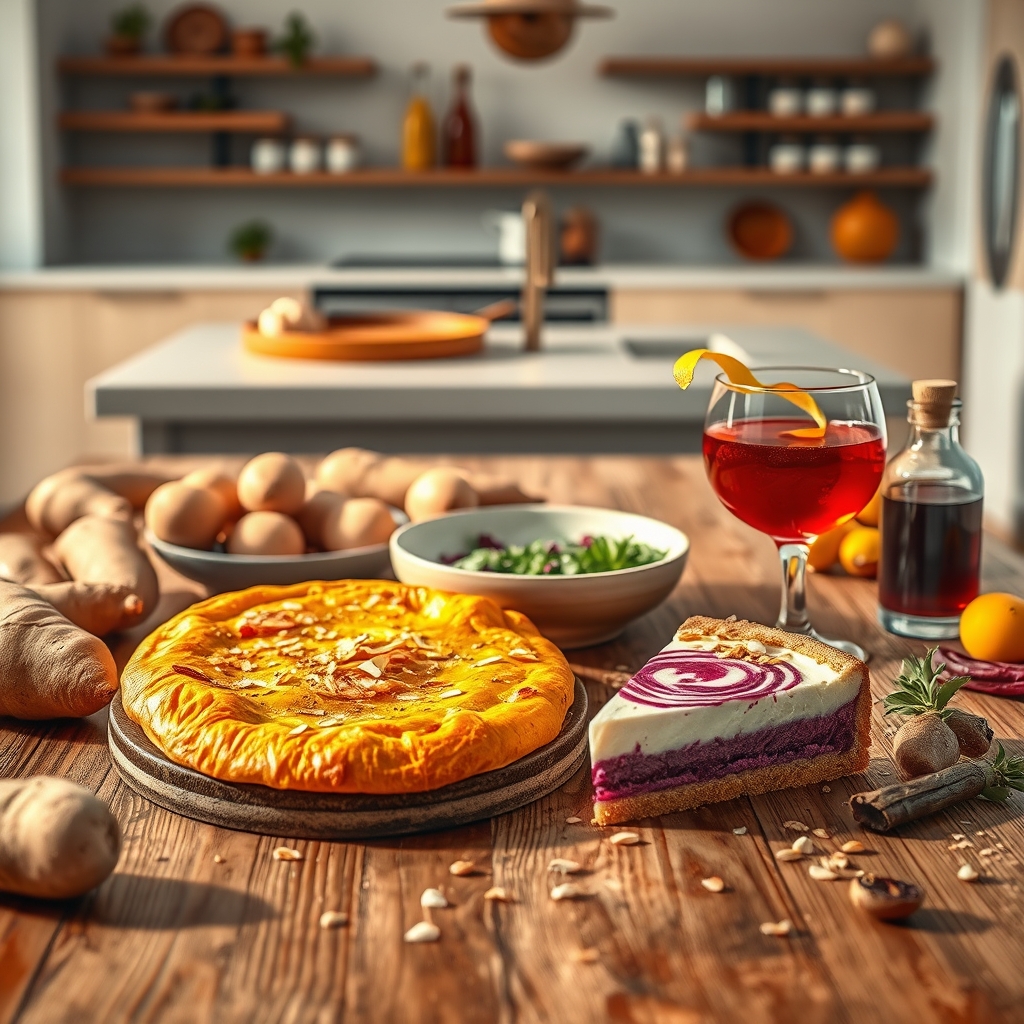
In a world where culinary boundaries are constantly being pushed, a new wave of ingredients is emerging—not just as substitutes, but as stars in their own right. These aren’t the flavors of yesterday; they’re the bold, unexpected, and deeply satisfying tastes shaping the future of how we eat. At the heart of this movement lies a celebration of color, texture, and innovation, where ingredients like sweet potato flour, ube desserts, and non-alcoholic aperitifs are redefining what it means to indulge.
The Rise of Sweet Potato Flour: A Gluten-Free Powerhouse
Sweet potato flour is no longer just a niche alternative—it’s a culinary revelation. Rich in fiber, vitamins, and a naturally sweet, earthy flavor, this vibrant orange flour is transforming everything from pancakes to pasta. Unlike traditional gluten-free flours that often require a blend of additives to mimic wheat’s elasticity, sweet potato flour holds its own, offering a moist, tender crumb and a subtle sweetness that enhances rather than overpowers. Bakers are using it to create everything from chewy sourdough flatbreads to decadent brownies, proving that gluten-free doesn’t have to mean flavor-free.
What makes sweet potato flour particularly exciting is its versatility. It thrives in both sweet and savory applications, absorbing flavors beautifully while adding a nutritional boost. Imagine a golden, crispy pizza crust infused with rosemary and garlic, or a batch of fluffy, naturally sweetened muffins that don’t rely on refined sugar. This flour isn’t just a substitute; it’s a game-changer, offering a healthier, more flavorful foundation for modern cooking.
The Allure of Ube: Purple Magic in Every Bite
Ube, the vibrant purple yam native to the Philippines, has taken the dessert world by storm. Its naturally sweet, vanilla-like flavor and striking hue make it an instant showstopper, whether it’s swirled into ice cream, folded into cakes, or transformed into a velvety halaya (jam). But ube’s appeal goes beyond its aesthetics—it’s a nutrient-dense ingredient packed with antioxidants, fiber, and vitamins, making it as wholesome as it is delicious.
The rise of ube desserts reflects a broader shift toward globally inspired flavors that are as visually stunning as they are satisfying. From ube cheese pandan rolls to ube crinkle cookies, this ingredient is proving that dessert can be both indulgent and nourishing. Its creamy texture and subtle sweetness also make it a perfect pairing for bold flavors like coconut, pandan, and even dark chocolate, creating desserts that are complex, balanced, and utterly irresistible.
Ube Beyond the Dessert Plate
While ube is often associated with sweets, its potential extends far beyond the dessert menu. Chefs are experimenting with ube in savory dishes, using it to create vibrant purées, dumpling fillings, and even gnocchi. Its natural sweetness pairs beautifully with salty, umami-rich ingredients like miso, soy sauce, and aged cheeses, offering a unique contrast that elevates dishes from ordinary to extraordinary. The next time you see a dish featuring ube, don’t be surprised if it’s not a dessert—it might just be the star of your main course.
The Sophistication of Non-Alcoholic Aperitifs
The movement toward mindful drinking has given rise to a new category of beverages that are just as complex and refined as their alcoholic counterparts. Non-alcoholic aperitifs are leading this charge, offering the same depth of flavor, bitterness, and herbal notes that make traditional aperitifs so appealing—without the alcohol. Brands are crafting these drinks with botanical elixirs, fermented condiments, and exotic ingredients like yuzu vinegar and hibiscus tea, resulting in beverages that are as intriguing as they are refreshing.
What sets these modern aperitifs apart is their ability to mimic the ritual of drinking. They’re designed to be sipped slowly, savored, and paired with food, just like a fine wine or cocktail. A well-crafted non-alcoholic aperitif can elevate a meal, cleansing the palate and enhancing the flavors of the dishes it accompanies. Whether it’s a bitter citrus-infused blend or a floral, honey-sweetened concoction, these drinks are proving that sobriety doesn’t have to mean sacrificing sophistication.
The Art of Pairing
Pairing non-alcoholic aperitifs with food is an art in itself. The key lies in balancing flavors—matching the bitterness of an aperitif with rich, fatty dishes, or pairing a floral, citrusy drink with light, fresh flavors. For example, a hibiscus-infused aperitif pairs beautifully with spicy dishes, its tartness cutting through the heat, while a smoky, fermented condiment-based drink complements the umami richness of black garlic pasta or a gochujang-glazed smash burger. These pairings aren’t just about substitution; they’re about creating a dining experience that’s every bit as memorable as one that includes alcohol.
A Culinary Identity Rooted in Innovation
The ingredients shaping modern cuisine—sweet potato flour, ube, non-alcoholic aperitifs—are more than just trends. They represent a shift toward a more inclusive, creative, and sustainable way of eating. These flavors aren’t just for those with dietary restrictions or health-conscious diners; they’re for anyone who craves something new, something bold, something that challenges the status quo. They’re proof that the future of food isn’t about limitations—it’s about possibilities.
As we continue to explore the potential of these ingredients, one thing becomes clear: the most exciting culinary innovations aren’t about reinventing the wheel. They’re about looking at the world with fresh eyes, embracing the unexpected, and finding joy in the fusion of tradition and modernity. Whether it’s the earthy sweetness of sweet potato flour, the vibrant allure of ube, or the refined complexity of a non-alcoholic aperitif, these flavors are crafting a new culinary identity—one that’s as diverse and dynamic as the people who enjoy them.