Indonesia’s Culinary Tapestry: The Unseen Threads of Flavor Connecting Land and Legacy
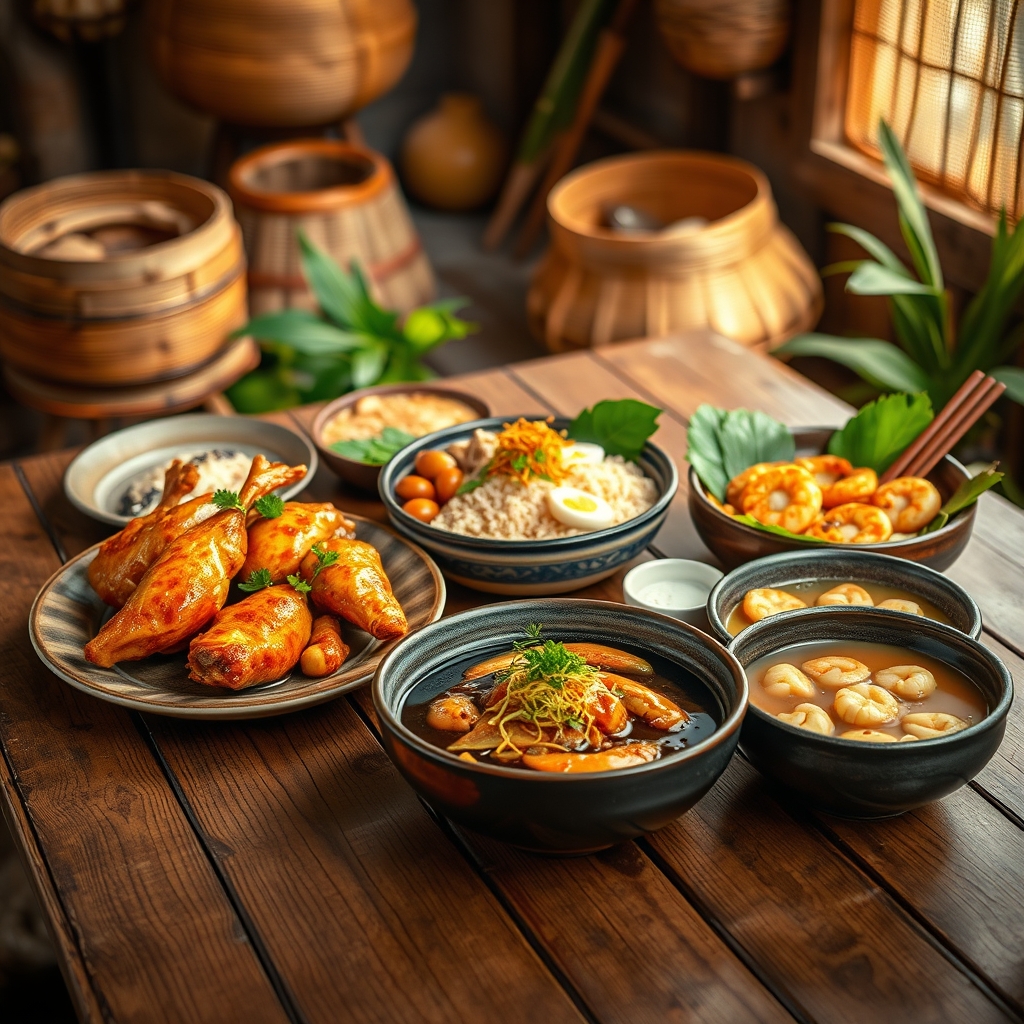
There is a quiet magic in the way a single dish can carry the weight of generations—the stories of ancestors, the whispers of trade winds, and the resilience of communities etched into every spice and simmer. Indonesia’s regional cuisines are not just meals; they are living archives, where the past and present converge in a symphony of taste. Beyond the well-trodden paths of rendang and satay lies a world of flavors waiting to be uncovered, each with its own rhythm, its own secrets, and its own way of making you feel at home, even if you’ve never set foot in the place it calls its own.
The Fiery Embrace of Lombok’s Ayam Taliwang
Imagine a chicken so tender it falls off the bone, its skin glistening with a marinade that dances between sweet, smoky, and searingly spicy. Ayam Taliwang, hailing from the sun-baked island of Lombok, is a dish that doesn’t just feed you—it awakens you. The chicken is first grilled over coconut husks, infusing it with a deep, earthy aroma, before being slathered in a paste of shallots, garlic, chilies, and shrimp paste. The result is a dish that lingers on the palate, a fiery embrace that feels like the island itself reaching out to greet you. It’s no wonder that this dish has become a symbol of Lombok’s unyielding spirit, a flavor so bold it refuses to be ignored.
The Sweet and Savory Whispers of Solo’s Nasi Liwet
In the heart of Central Java, where the air is thick with the scent of jasmine and the hum of gamelan music, Nasi Liwet emerges as a dish of quiet elegance. Unlike its more boisterous counterparts, Nasi Liwet is a study in subtlety, where coconut milk-infused rice is cooked with lemongrass, galangal, and pandan leaves, then served with a medley of side dishes like fried chicken, tempeh, and hard-boiled eggs. The magic lies in the way the flavors meld together, each bite a harmonious blend of sweet, savory, and aromatic notes. It’s a dish that feels like a warm embrace from an old friend, a reminder that sometimes, the most profound flavors are the ones that don’t shout but whisper.
The Devilish Allure of Surabaya’s Rawon Setan
If there’s a dish that embodies the rebellious spirit of Surabaya, it’s Rawon Setan. This black-hued beef soup, named after the Indonesian word for “devil,” is a culinary dare. The dark color comes from the use of keluak nuts, a rare and potent ingredient that lends the broth its deep, earthy flavor. Served with a side of sambal and crispy shallots, Rawon Setan is not for the faint of heart. It’s a dish that challenges you, dares you to take that first sip, and then rewards you with a complexity that lingers long after the last spoonful. In a city known for its fiery temperament, Rawon Setan is the perfect culinary ambassador—bold, unapologetic, and utterly unforgettable.
The Coastal Charms of Aceh’s Ayam Tangkap
On the northern tip of Sumatra, where the Indian Ocean crashes against rugged shores, Ayam Tangkap offers a taste of the sea and the land in one glorious dish. The name, which translates to “caught chicken,” hints at its origins as a meal prepared for hunters returning from the forest. The chicken is fried until crispy, then topped with a generous heap of fresh herbs—lemongrass, turmeric leaves, and kaffir lime leaves—along with slices of pineapple for a touch of sweetness. The result is a dish that feels like a celebration, a burst of flavors that mirrors the vibrant culture of Aceh itself. It’s a reminder that sometimes, the best meals are the ones that bring together the bounty of the land and the sea in one joyful bite.
The Hidden Depths of Palembang’s Mie Celor
In the bustling city of Palembang, where the Musi River weaves through the landscape like a lifeline, Mie Celor stands as a testament to the city’s rich culinary heritage. This noodle dish, with its rich shrimp and coconut milk broth, is a masterclass in balance. The noodles are soft yet chewy, the broth creamy yet light, and the toppings—a mix of shrimp, hard-boiled eggs, and fried shallots—add layers of texture and flavor. It’s a dish that feels like a warm hug on a rainy day, a comforting reminder of home for those who grew up with it and a delightful discovery for those trying it for the first time. Mie Celor is more than just a meal; it’s a taste of Palembang’s soul.
The Spicy Secrets of Padang’s Sate Padang Pariaman
While satay is a staple across Indonesia, Sate Padang Pariaman offers a version that is uniquely its own. Originating from the Pariaman region in West Sumatra, this satay is made with beef or offal, skewered and grilled to perfection before being smothered in a thick, spicy sauce made from rice flour, turmeric, and a blend of aromatic spices. The sauce is what sets it apart—rich, complex, and slightly sweet, with a heat that builds slowly, leaving you craving more. Served with ketupat (compressed rice cakes), it’s a dish that feels like a celebration, a burst of flavors that reflects the vibrant culture of the Minangkabau people. It’s no wonder that Sate Padang Pariaman has become a favorite not just in Padang, but across the archipelago.
There’s something deeply humbling about sitting down to a meal that has been perfected over centuries, where every ingredient tells a story and every bite feels like a conversation with the past. These dishes are more than just food; they are a bridge between generations, a way of preserving the essence of a place and its people. To taste them is to understand that Indonesia’s culinary landscape is not just a collection of flavors, but a living, breathing testament to the resilience, creativity, and spirit of its people. And perhaps, in that first bite, you’ll find a piece of yourself reflected back in the spice and soul of the archipelago.