The Forgotten Fire: Indonesia’s Regional Dishes That Burn Bright in Memory and Spice
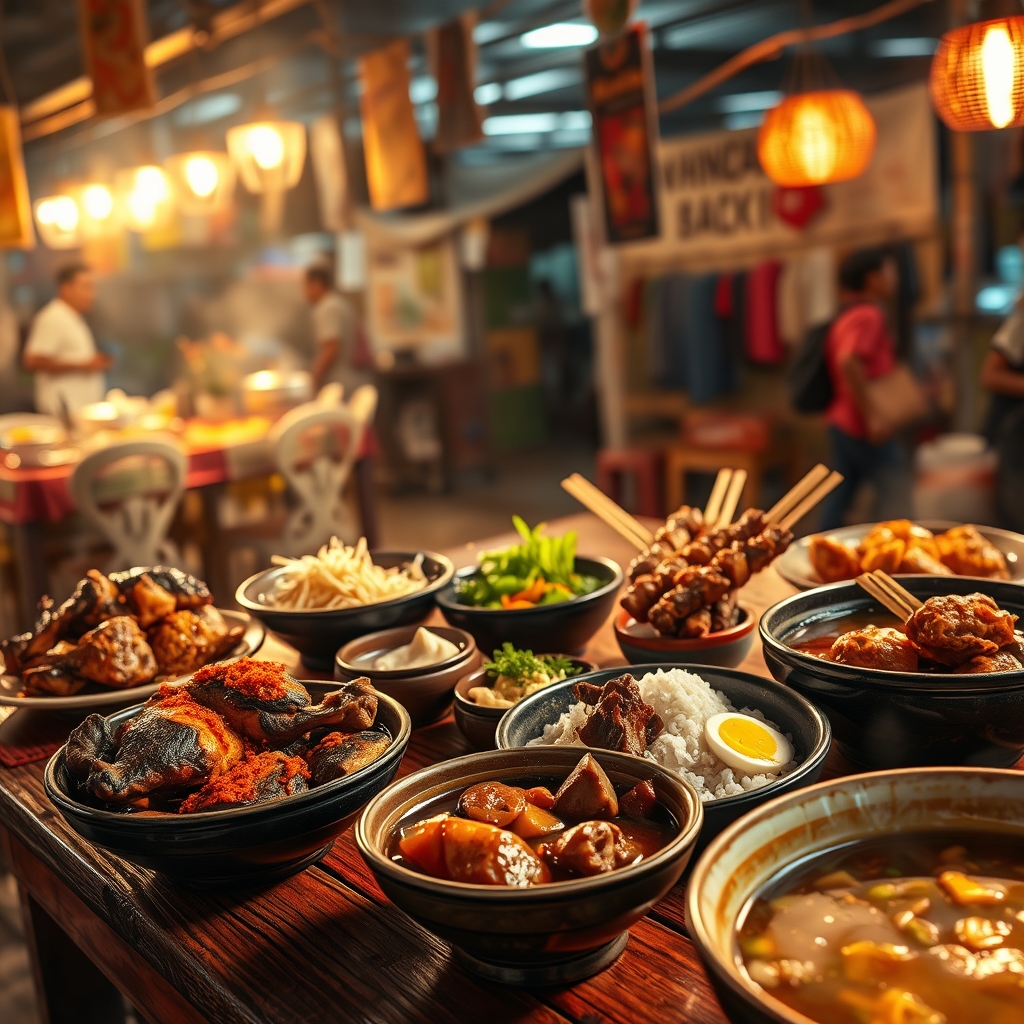
Indonesia’s culinary landscape is a vast and vibrant tapestry, woven with threads of spice, history, and culture. Yet, beyond the well-trodden paths of rendang and satay, there lies a world of regional dishes that burn with an intensity all their own—flavors so bold, so unforgettable, that they linger in the memory long after the last bite. These are the dishes that don’t just feed the body; they ignite the soul, each one a testament to the ingenuity and passion of the people who created them. From the smoky depths of Java to the fiery shores of Lombok, these are the flavors that define Indonesia’s culinary fire.
The Smoldering Heat of Ayam Taliwang
Nestled in the heart of Lombok, Ayam Taliwang is a dish that doesn’t just warm the palate—it sets it ablaze. Named after the village of Taliwang, this grilled chicken dish is marinated in a paste of shallots, garlic, chili, and shrimp paste, then grilled over an open flame until the skin crisps and the meat absorbs the smoky essence of the fire. The real magic, however, lies in the sambal that accompanies it, a fiery concoction of bird’s eye chilies, tomatoes, and lime that elevates the dish to a level of heat that borders on transcendental. Ayam Taliwang isn’t just food; it’s an experience, one that leaves your lips tingling and your heart racing.
The Devil’s Brew: Rawon Setan Surabaya
In the bustling streets of Surabaya, there’s a dish so dark, so rich, so utterly intoxicating that it’s earned the nickname “Rawon Setan”—the Devil’s Rawon. This black-hued beef soup is made with keluak nuts, which lend it a deep, earthy flavor and an inky color that sets it apart from any other dish in Indonesia. The broth is slow-cooked with a blend of spices, including galangal, turmeric, and lemongrass, creating a depth of flavor that is both complex and comforting. Served with a side of rice, bean sprouts, and a sprinkle of fried shallots, Rawon Setan is a dish that demands to be savored, one spoonful at a time.
The Sweet and Savory Symphony of Gudeg Yu Djum
Yogyakarta’s Gudeg Yu Djum is a dish that dances on the palate, a harmonious blend of sweet and savory that is as much a part of the city’s identity as its ancient temples. Made from young jackfruit slow-cooked in coconut milk and palm sugar, Gudeg is a dish that requires patience—hours of simmering until the jackfruit softens and absorbs the rich, caramelized flavors of the sauce. The result is a dish that is both tender and sweet, with a subtle tang from the addition of teak leaves. Served with rice, chicken, and a hard-boiled egg, Gudeg Yu Djum is a feast for the senses, a dish that tells the story of Yogyakarta’s royal heritage in every bite.
The Bold and the Beautiful: Sate Padang Pariaman
While satay is a dish found across Indonesia, Sate Padang Pariaman is in a league of its own. Originating from the city of Padang in West Sumatra, this satay is made from beef or offal, skewered and grilled over an open flame before being smothered in a thick, spicy sauce made from rice flour, turmeric, and a blend of aromatic spices. The sauce is what sets this dish apart—rich, creamy, and packed with flavor, it clings to the meat in a way that makes every bite a revelation. Served with ketupat (compressed rice cakes) and a side of pickles, Sate Padang Pariaman is a dish that commands attention, a bold statement of West Sumatra’s culinary prowess.
The Hidden Depths of Coto Makassar
From the southern tip of Sulawesi comes Coto Makassar, a beef soup that is as rich in history as it is in flavor. This dish is a testament to the resourcefulness of the Bugis people, who traditionally used every part of the cow to create a broth that is both hearty and deeply satisfying. The soup is made with beef, offal, and a blend of spices, including coriander, cumin, and lemongrass, which are ground into a paste and simmered for hours until the flavors meld together. Served with ketupat and a side of sambal, Coto Makassar is a dish that warms the soul, a reminder of the simple pleasures of a well-made meal.
The Fiery Allure of Bebek Sinjay Madura
Madura’s Bebek Sinjay is a dish that doesn’t just tantalize the taste buds—it challenges them. This spicy duck dish is made by marinating duck in a paste of shallots, garlic, turmeric, and chilies, then frying it until the skin is crisp and the meat is tender. The real star of the show, however, is the sambal that accompanies it, a fiery blend of chilies, shrimp paste, and lime that packs a punch like no other. Bebek Sinjay is not for the faint of heart; it’s a dish that demands respect, a fiery testament to Madura’s bold culinary traditions.
These dishes are more than just food—they are a celebration of Indonesia’s rich cultural heritage, a testament to the creativity and passion of the people who have perfected them over generations. Each bite is a journey, a chance to explore the flavors that define a nation. And while the world may know rendang and satay, it’s these hidden gems that truly capture the heart and soul of Indonesian cuisine. The fire they ignite is not just in the chilies or the spices, but in the stories they tell, the memories they evoke, and the connections they forge between people and place. To taste them is to understand Indonesia in a way that no history book ever could.