The Fiery Allure of Indonesia’s Coastal Feasts: A Deep Dive into 5 Underrated Culinary Wonders
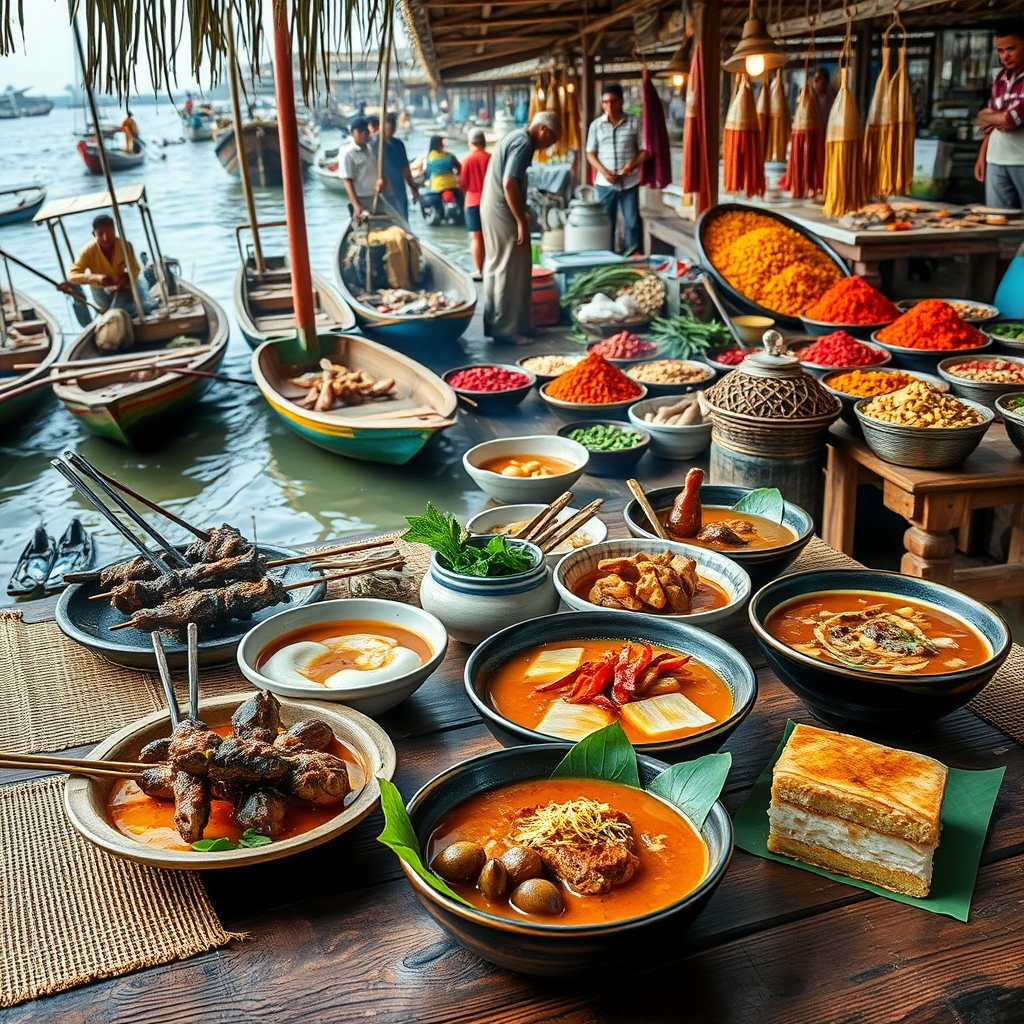
Indonesia’s culinary landscape is a vibrant tapestry woven with threads of spice, sea, and soul. Beyond the well-trodden paths of rendang and satay lies a world of coastal feasts, where the ocean’s bounty meets the bold flavors of the archipelago. These dishes are not just meals; they are stories of survival, tradition, and the unbreakable bond between land and sea. Here, we explore five underrated coastal delicacies that embody the fiery allure of Indonesia’s culinary heritage.
The Smoky Charms of Sate Klatak Bantul
Nestled in the heart of Yogyakarta, Sate Klatak Bantul is a dish that defies convention. Unlike its more famous counterparts, this satay is made from young goat meat, skewered on thick iron rods and grilled over an open flame. The name “klatak” comes from the sound the iron makes as it sizzles under the heat, a symphony of smoke and spice that beckons from afar. The meat is marinated in a simple blend of salt, garlic, and coriander, allowing the natural flavors to shine. Served with a side of fiery sambal and lontong (compressed rice cakes), Sate Klatak is a testament to the beauty of simplicity. The smoky aroma, the tender meat, and the crackling iron rods create an experience that is as much about the process as it is about the taste.
The Legend Behind the Skewers
Local lore traces the origins of Sate Klatak to the royal kitchens of the Sultanate of Yogyakarta. It is said that the dish was created as a practical solution for feeding large gatherings during royal ceremonies. The iron skewers were chosen for their durability, and the open-flame grilling method ensured that the meat remained juicy and flavorful. Today, Sate Klatak is a staple of Bantul’s street food scene, a humble yet regal dish that continues to captivate locals and travelers alike.
The Tangy Depths of Kupang Lontong Sidoarjo
On the eastern shores of Java, in the bustling town of Sidoarjo, a unique delicacy awaits: Kupang Lontong. This dish is a celebration of the sea, featuring tiny clams known as kupang, harvested from the muddy estuaries of the Brantas River. The clams are simmered in a rich, tangy broth made from tamarind, shallots, garlic, and a touch of palm sugar, creating a balance of sweet, sour, and umami flavors. The broth is then poured over lontong and topped with fried shallots, krupuk (shrimp crackers), and a sprinkle of fresh herbs. The result is a dish that is as complex as it is comforting, a true reflection of Sidoarjo’s coastal identity.
A Dish Born of Necessity
Kupang Lontong was born out of the resourcefulness of Sidoarjo’s fishermen. In the past, kupang were considered a poor man’s food, abundant and easy to harvest. Over time, the locals transformed this humble ingredient into a culinary masterpiece, infusing it with the bold flavors of East Java. Today, Kupang Lontong is a source of pride for the people of Sidoarjo, a dish that embodies the spirit of resilience and creativity.
The Spicy Embrace of Ayam Taliwang Lombok
From the sun-kissed shores of Lombok comes Ayam Taliwang, a dish that packs a fiery punch. This grilled chicken is marinated in a paste of shallots, garlic, chili, and shrimp paste, then grilled over charcoal until the skin is crispy and the meat is tender. The name “Taliwang” refers to the village where the dish originated, a place known for its bold flavors and vibrant culture. Served with plecing kangkung (spicy water spinach) and a side of sambal, Ayam Taliwang is a dish that demands attention. The heat is intense, but the flavors are layered and complex, a true representation of Lombok’s culinary prowess.
The Spice of Life
Ayam Taliwang is more than just a dish; it is a cultural icon. In Lombok, it is often served at celebrations and gatherings, a symbol of hospitality and warmth. The dish’s fiery nature reflects the island’s volcanic landscape, where the soil is rich and the flavors are bold. For those who dare to try it, Ayam Taliwang is an unforgettable experience, a journey into the heart of Lombok’s culinary soul.
The Rich Aroma of Coto Makassar Asli
In the bustling streets of Makassar, Sulawesi, a bowl of Coto Makassar is a breakfast staple. This hearty soup is made from slow-cooked beef, offal, and a rich broth infused with spices like turmeric, coriander, and lemongrass. The dish is served with ketupat (rice cakes), fried shallots, and a dollop of sambal, creating a symphony of textures and flavors. Coto Makassar is more than just a meal; it is a ritual, a way to start the day with warmth and energy. The aroma of the broth, the tenderness of the meat, and the crunch of the ketupat make it a dish that lingers in the memory long after the last bite.
A Taste of Sulawesi’s Heritage
Coto Makassar is deeply rooted in the Bugis-Makassar culture, a testament to the region’s seafaring history. The dish was traditionally made with buffalo meat, a reflection of the Bugis people’s agricultural lifestyle. Over time, beef became the preferred protein, but the essence of the dish remained the same. Today, Coto Makassar is a symbol of Makassar’s culinary heritage, a dish that brings people together and tells the story of a resilient and vibrant culture.
The Sweet Simplicity of Klappertaart Manado
From the northern tip of Sulawesi comes Klappertaart, a dessert that is as delightful as it is unique. This coconut custard cake is made from a blend of young coconut, milk, and flour, baked until golden and fragrant. The texture is soft and creamy, with a subtle sweetness that is balanced by the natural flavor of the coconut. Klappertaart is often served with a sprinkle of cinnamon or a drizzle of caramel, adding an extra layer of indulgence. It is a dessert that captures the essence of Manado’s tropical paradise, a sweet ending to any meal.
A Slice of Paradise
Klappertaart is a dish that reflects the abundance of Manado’s natural resources. The young coconut, a staple of the region, is transformed into a dessert that is both simple and sophisticated. The dish is often served at celebrations and family gatherings, a symbol of love and togetherness. For those who taste it, Klappertaart is a reminder of the beauty of simplicity, a sweet escape into the flavors of Sulawesi.
Indonesia’s coastal feasts are a testament to the country’s rich culinary heritage, a celebration of the sea’s bounty and the bold flavors of the archipelago. These dishes are more than just food; they are stories of survival, tradition, and the unbreakable bond between land and sea. From the smoky charms of Sate Klatak to the sweet simplicity of Klappertaart, each bite is a journey into the heart of Indonesia’s culinary soul. Whether you’re a seasoned traveler or a curious foodie, these underrated coastal delicacies are waiting to be discovered, one fiery, tangy, or sweet bite at a time.