Indonesia’s Culinary Mosaic: The Spice-Drenched Stories Behind 10 Lesser-Known Regional Delicacies
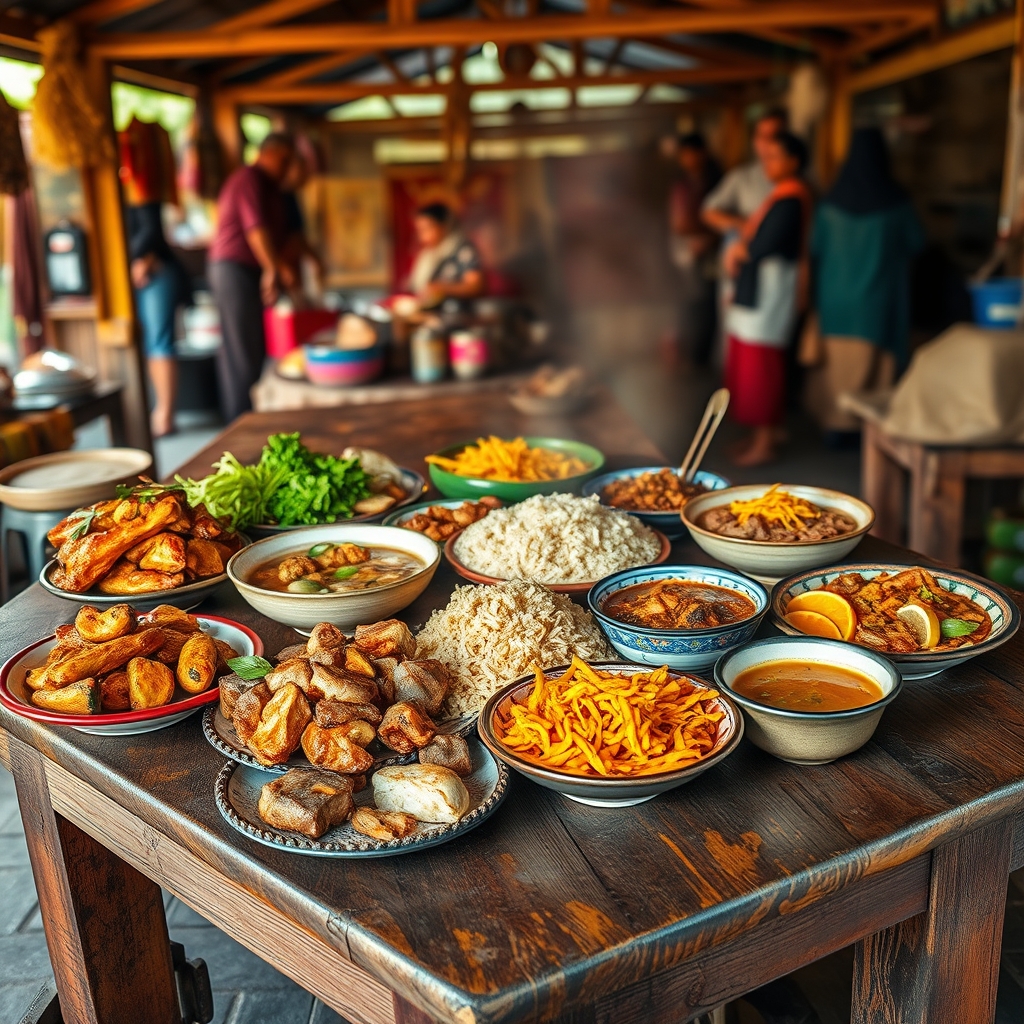
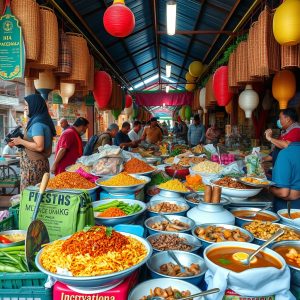
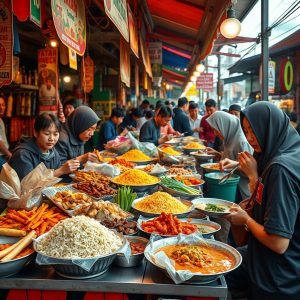
Indonesia’s culinary landscape is a vibrant tapestry woven with threads of history, culture, and geography. Beyond the well-trodden paths of rendang and satay lie hidden gems—dishes that carry the soul of their regions in every bite. These are the flavors that tell stories of trade, migration, and tradition, often overlooked but deeply cherished by those who know where to find them. Here, we embark on a journey through 10 lesser-known regional delicacies that offer a glimpse into the heart of Indonesia’s diverse culinary heritage.
The Fiery Allure of Ayam Taliwang Lombok
Nestled in the shadow of Mount Rinjani, Lombok’s Ayam Taliwang is a dish that demands attention. This grilled chicken is marinated in a fiery blend of chili, garlic, shallots, and shrimp paste, then basted with coconut oil as it sizzles over an open flame. The result is a smoky, spicy masterpiece, often served with plecing kangkung—a water spinach salad dressed in a tangy lime and chili sauce. The dish is a testament to Lombok’s love affair with heat, a flavor profile that reflects the island’s volcanic soil and sun-drenched landscapes. Locals will tell you that the best Ayam Taliwang is found in roadside warungs, where the chicken is grilled to perfection over wood fires, infusing it with an irresistible char.
The Sweet and Savory Symphony of Nasi Liwet Solo
In the royal city of Solo, Nasi Liwet is more than just a dish—it’s a culinary ritual. This fragrant rice is cooked in coconut milk, chicken broth, and a medley of spices, then served with tender chicken, tempeh, and a sprinkle of fried shallots. The magic lies in the rice’s subtle sweetness, a harmony of flavors that dances between savory and aromatic. Traditionally prepared in a clay pot over an open fire, Nasi Liwet is often enjoyed during special occasions, its rich history intertwined with Javanese royal traditions. The dish is a reminder of Solo’s cultural elegance, where every bite feels like a step back in time.
The Bold and Brothy Coto Makassar Asli
From the bustling streets of Makassar comes Coto Makassar, a beef soup that is as rich in history as it is in flavor. This dish is a symphony of slow-cooked beef, offal, and spices, simmered for hours until the broth achieves a deep, complex taste. The secret? A blend of roasted peanuts, turmeric, and lemongrass, which gives the soup its distinctive nutty and earthy notes. Served with ketupat (rice cakes) and a side of sambal, Coto Makassar is a dish that warms the soul. It’s a culinary legacy of the Bugis people, a testament to their seafaring traditions and resourcefulness in turning humble ingredients into something extraordinary.
The Tangy Delight of Pempek Kapal Selam
Palembang’s Pempek Kapal Selam is a dish that defies expectations. This deep-fried fish cake, stuffed with a whole egg, is a playful twist on the classic pempek. The name, which translates to “submarine pempek,” hints at its unique shape and the surprise that awaits inside. Served with a tangy cuko sauce—made from palm sugar, vinegar, and chili—Pempek Kapal Selam is a burst of textures and flavors. The crispy exterior gives way to a soft, savory filling, while the sauce adds a sweet and sour kick. It’s a dish that embodies Palembang’s love for bold flavors and inventive cooking, a legacy of its role as a historic trading hub.
The Spicy and Aromatic Sate Padang Pariaman
While satay is a staple across Indonesia, Sate Padang Pariaman stands out for its bold, spice-laden marinade. Originating from the Minangkabau highlands, this satay is made from tender beef or offal, skewered and grilled to perfection. The marinade—a blend of turmeric, coriander, cumin, and other spices—gives the meat its signature golden hue and deep, aromatic flavor. Served with a thick, spicy sauce made from rice flour, coconut milk, and chili, Sate Padang Pariaman is a dish that lingers on the palate. It’s a celebration of Minangkabau cuisine, where spices are not just ingredients but storytellers of a rich cultural heritage.
The Comforting Warmth of Soto Banjar Kalimantan
In the heart of South Kalimantan, Soto Banjar is a dish that brings comfort with every spoonful. This chicken soup is a delicate balance of flavors, with a broth infused with lemongrass, galangal, and turmeric. The dish is often served with rice, boiled eggs, and a sprinkle of fried shallots, creating a harmonious blend of textures. What sets Soto Banjar apart is its subtle sweetness, derived from the use of coconut milk and a touch of palm sugar. It’s a dish that reflects the warmth and hospitality of the Banjar people, a reminder of how food can bridge cultures and bring people together.
The Crispy and Savory Bebek Sinjay Madura
From the island of Madura comes Bebek Sinjay, a dish that showcases the art of slow-cooking duck. The duck is marinated in a blend of turmeric, garlic, and coriander, then slow-cooked until the meat is tender and the skin is crispy. The result is a dish that is rich, savory, and deeply satisfying. Bebek Sinjay is often served with sambal and lontong (compressed rice cakes), adding layers of texture and heat. It’s a dish that embodies Madura’s culinary traditions, where patience and technique transform simple ingredients into something extraordinary.
The Unique Charm of Mie Aceh Kepiting
In the northern tip of Sumatra, Mie Aceh Kepiting is a dish that captures the essence of Aceh’s coastal flavors. This noodle dish is a fusion of Chinese and Acehnese culinary traditions, featuring thick, chewy noodles stir-fried with crab, shrimp, and a rich, spicy sauce. The dish is often garnished with fried shallots and served with a side of emping (melinjo crackers). The flavors are bold and aromatic, a reflection of Aceh’s history as a melting pot of cultures. Mie Aceh Kepiting is a dish that tells a story of trade, migration, and the blending of culinary traditions.
The Sweet and Creamy Klappertaart Manado
From the shores of Manado comes Klappertaart, a dessert that is as delightful as it is unique. This coconut cake is a fusion of Dutch and Indonesian flavors, with a creamy, custard-like texture and a hint of vanilla. The cake is baked until golden and served with a sprinkle of toasted coconut flakes. Klappertaart is a testament to Manado’s culinary creativity, a dish that blends colonial influences with local ingredients. It’s a sweet ending to any meal, a reminder of how food can transcend borders and bring people together.
These dishes are more than just meals—they are stories of resilience, creativity, and the unbreakable bond between people and their land. Each bite is an invitation to explore the rich tapestry of Indonesia’s culinary heritage, a journey that goes beyond the plate and into the heart of the archipelago. Whether it’s the fiery heat of Ayam Taliwang or the comforting warmth of Soto Banjar, these flavors are a testament to the diversity and depth of Indonesia’s regional cuisines, waiting to be discovered and savored.