Indonesia’s Culinary Time Machine: 10 Regional Dishes That Transport You Across the Archipelago
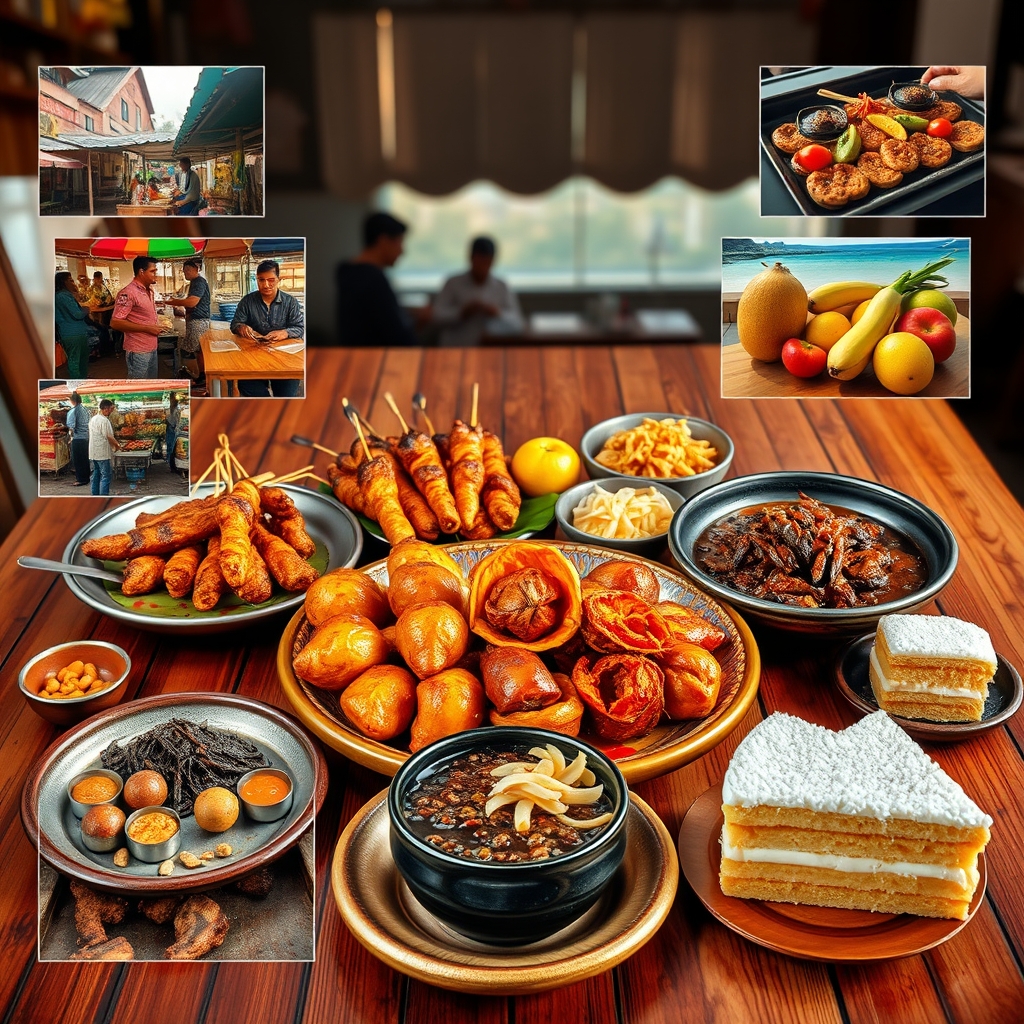
Imagine stepping into a world where every bite tells a story—of bustling coastal markets, misty highland villages, and the hands of generations of cooks who have perfected their craft over centuries. Indonesia’s regional dishes are more than just food; they are portals to the past, each one a carefully preserved recipe that carries the essence of its homeland. From the fiery depths of Lombok to the sweet, coconut-kissed shores of Manado, these dishes are a testament to the country’s incredible diversity, where geography, culture, and history collide on the plate.
The Smoky Allure of Sate Klatak Bantul
In the heart of Yogyakarta, where the air hums with the energy of artists and students, a dish unlike any other sate beckons. Sate Klatak Bantul is not your typical skewered meat. Here, chunks of goat or lamb are grilled over an open flame, their edges charring to a deep, smoky black while the inside remains tender and juicy. The secret? The skewers are made of bicycle spokes, a clever adaptation that allows the meat to cook evenly without burning. Served with a side of fiery sambal and lontong (compressed rice cakes), this dish is a celebration of simplicity and skill, a reminder that sometimes, the most unforgettable flavors come from the humblest of origins.
The Sweet and Spicy Embrace of Ayam Tangkap Aceh
On the northern tip of Sumatra, where the Indian Ocean crashes against the shore, Ayam Tangkap Aceh is a dish that captures the soul of the region. The name, which translates to “captured chicken,” hints at its origins—a meal prepared in a hurry for hunters returning from the forest. The chicken is marinated in a blend of turmeric, lemongrass, and galangal, then fried until crispy and golden. What sets it apart, however, is the generous topping of fried shallots, cashews, and a drizzle of sweet soy sauce, creating a harmony of textures and flavors that dance between sweet, spicy, and savory. It’s a dish that feels like a warm embrace, a taste of Aceh’s rich maritime history and its love affair with bold, aromatic spices.
The Dark, Mysterious Depths of Rawon Setan Surabaya
In the bustling streets of Surabaya, a dish with a name as intriguing as its flavor awaits. Rawon Setan, or “Devil’s Rawon,” is a beef soup that owes its inky black color to the use of keluak nuts, a rare and prized ingredient in Indonesian cuisine. The nut’s earthy, slightly bitter taste is balanced by a complex blend of spices, including garlic, shallots, and candlenuts, creating a broth that is rich, aromatic, and deeply satisfying. Served with a side of rice, bean sprouts, and a squeeze of lime, Rawon Setan is a dish that demands to be savored slowly, each spoonful revealing new layers of flavor. The name “Devil’s Rawon” is said to come from its late-night allure, a dish so irresistible that it tempts even the most disciplined eaters to indulge after dark.
The Coconut-Kissed Delight of Klappertaart Manado
Travel east to the shores of Manado, where the air is thick with the scent of coconut and the sound of waves lapping against the shore. Here, Klappertaart, a Dutch-influenced coconut cake, is a beloved treat that embodies the region’s love for tropical flavors. Unlike the dense, heavy cakes of the West, Klappertaart is light and airy, with a texture that melts in your mouth. The cake is made with fresh coconut milk, grated coconut, and a hint of vanilla, then baked until golden and fragrant. It’s a dish that feels like a slice of paradise, a sweet reminder of Manado’s colonial past and its vibrant, multicultural present.
The Fiery Passion of Ayam Taliwang Lombok
On the island of Lombok, where the sun beats down on golden beaches and the air is thick with the scent of chili, Ayam Taliwang is a dish that sets the palate ablaze. This grilled chicken dish is marinated in a fiery paste of shallots, garlic, chili, and shrimp paste, then grilled over an open flame until the skin is crispy and the meat is tender. Served with a side of plecing kangkung (water spinach in spicy coconut dressing) and a wedge of lime, Ayam Taliwang is not for the faint of heart. It’s a dish that demands courage, a fiery testament to Lombok’s love for bold, unapologetic flavors.
The Comforting Simplicity of Nasi Liwet Solo
In the royal city of Solo, where the streets are lined with batik shops and the air is filled with the sound of gamelan music, Nasi Liwet is a dish that embodies the city’s refined culinary traditions. This fragrant rice dish is cooked in coconut milk, chicken broth, and a blend of spices, then served with a variety of side dishes, including chicken, tempeh, and a hard-boiled egg. The result is a meal that is both comforting and elegant, a dish that feels like a warm hug from an old friend. Nasi Liwet is often served at special occasions, a symbol of hospitality and generosity that reflects the soul of Solo’s people.
The Tangy, Umami-Rich Kupang Lontong Sidoarjo
In the small town of Sidoarjo, near Surabaya, a humble dish made from tiny clams has captured the hearts of locals and visitors alike. Kupang Lontong is a simple yet flavorful dish made with kupang (tiny clams), lontong (compressed rice cakes), and a tangy, umami-rich broth made from tamarind, chili, and shrimp paste. The dish is garnished with fried shallots and served with a side of krupuk (shrimp crackers), adding a satisfying crunch to every bite. It’s a dish that feels like a taste of the sea, a reminder of the simple pleasures that come from fresh, local ingredients.
The Spicy, Aromatic Magic of Mie Aceh Kepiting
Back in Aceh, where the streets are lined with warungs serving up steaming bowls of noodles, Mie Aceh Kepiting is a dish that stands out for its bold, aromatic flavors. This noodle dish is made with thick, chewy egg noodles, succulent crab meat, and a rich, spicy broth made from a blend of shallots, garlic, chili, and turmeric. The dish is garnished with fried shallots and a squeeze of lime, adding a bright, citrusy note to the rich, savory broth. Mie Aceh Kepiting is a dish that feels like a celebration, a taste of Aceh’s vibrant street food culture and its love for bold, unapologetic flavors.
The Sweet, Fluffy Perfection of Bika Ambon Medan
In the bustling city of Medan, where the air is thick with the scent of spices and the sound of honking becaks, Bika Ambon is a sweet treat that has captured the hearts of Indonesians across the country. This honeycomb cake is made from a batter of tapioca flour, eggs, and coconut milk, then baked until golden and fluffy. The result is a cake that is light, airy, and slightly chewy, with a sweet, caramelized crust that adds a satisfying crunch. Bika Ambon is often served as a snack or dessert, a sweet reminder of Medan’s rich culinary heritage and its love for all things sweet and indulgent.
These dishes are more than just meals; they are stories, each one a chapter in the larger narrative of Indonesia’s culinary history. They remind us that food is not just sustenance, but a way to connect with the past, to celebrate the present, and to imagine the future. Whether it’s the smoky allure of Sate Klatak Bantul or the sweet, fluffy perfection of Bika Ambon, each dish is a journey in itself, a chance to explore the rich, diverse flavors of the archipelago and the people who bring them to life.