The Fiery Embrace: Indonesia’s Most Intoxicating Regional Dishes and the Spice Routes That Birthed Them
There is a quiet magic in the way Indonesia’s regional dishes tell stories—not just of the hands that prepare them, but of the land, the sea, and the centuries of trade that have shaped their flavors. Each dish is a chapter in a larger narrative, one where spices are not merely ingredients but the very ink that writes history. To taste them is to trace the footsteps of merchants, sailors, and home cooks who turned humble ingredients into masterpieces of fire and fragrance.
The Smoldering Legacy of Nasi Padang Minangkabau
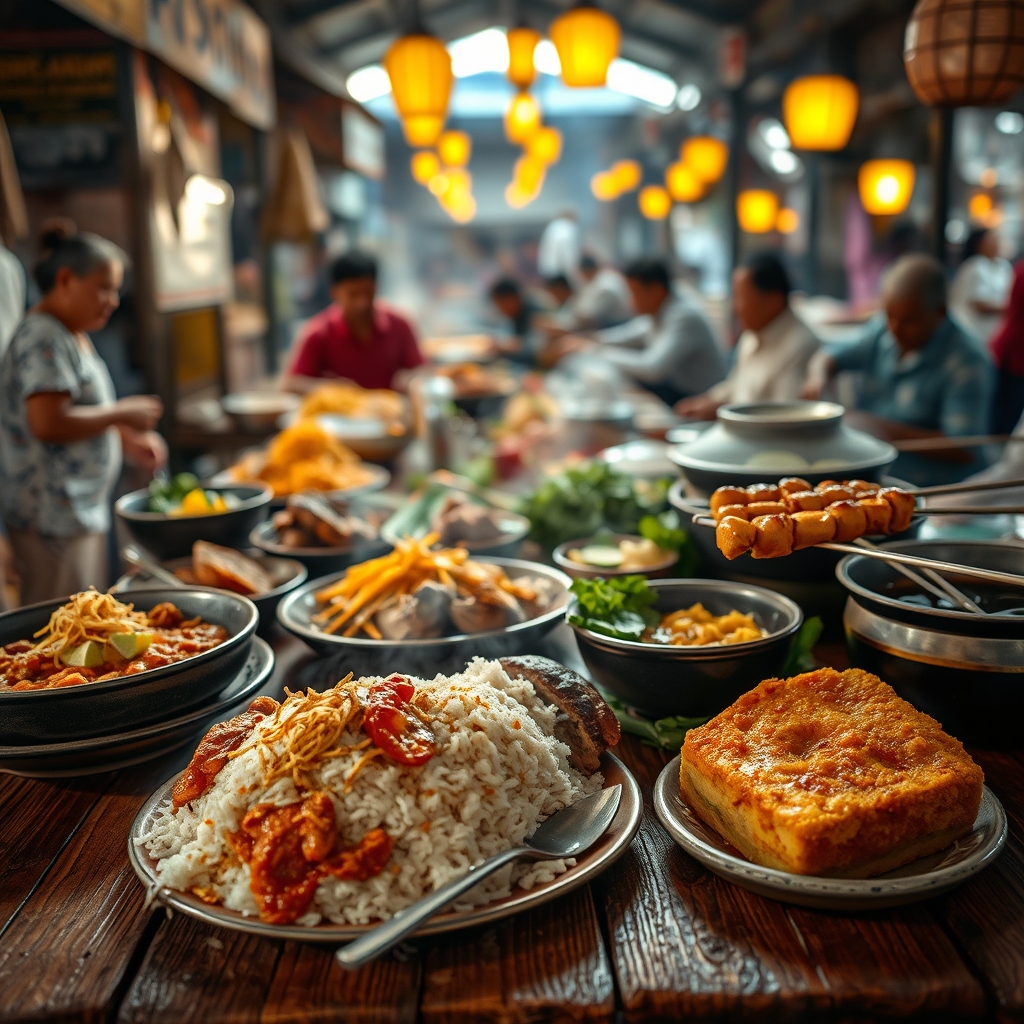
Few culinary experiences are as visually arresting as a table laden with the vibrant dishes of Nasi Padang. Originating from the Minangkabau people of West Sumatra, this feast is a symphony of contrasts: the creamy richness of rendang, the tangy punch of gulai, the crisp bite of fried anchovies. What makes Nasi Padang extraordinary is not just its flavors but its ritual. The dishes arrive in waves, each one more daring than the last, until the table groans under the weight of spice and tradition. The Minangkabau believe that food should be shared, and in their communal feasts, every bite is an invitation to connect.
The Devil’s Brew: Rawon Setan Surabaya
In the bustling streets of Surabaya, a bowl of Rawon Setan waits like a forbidden temptation. Named after the devil himself—setan—this black-hued beef soup is as dark as its reputation. The secret? Keluak nuts, a spice so potent it was once used in traditional medicine. When ground into a paste, keluak lends Rawon its inky depth and an earthy, almost smoky flavor that clings to the tongue. Served with a side of fiery sambal and crispy shallots, it’s a dish that doesn’t just warm the body but awakens the soul. Locals swear by its restorative powers, and after one spoonful, it’s easy to see why.
The Dance of Fire and Meat: Sate Klatak Bantul
Yogyakarta’s Sate Klatak is a testament to the beauty of simplicity. Unlike its more famous cousin, Sate Madura, which is drenched in sweet soy sauce, Sate Klatak lets the meat speak for itself. The skewers are made from iron, not bamboo, and the chunks of goat or lamb are grilled over an open flame until charred on the outside and juicy within. The name klatak comes from the sound the skewers make as they sizzle over the fire—a rhythm that has echoed through Bantul’s night markets for generations. Served with nothing more than a sprinkle of salt and a wedge of lime, it’s a dish that demands attention, a reminder that sometimes, less truly is more.
The Spice-Drenched Embrace of Ayam Taliwang Lombok
On the island of Lombok, Ayam Taliwang is more than just grilled chicken—it’s a love letter to spice. The dish begins with a marinade of shallots, garlic, chili, and shrimp paste, a combination so fragrant it perfumes the air long before it hits the grill. What sets Ayam Taliwang apart is its balado sauce, a fiery concoction of tomatoes, chilies, and lime juice that is spooned generously over the smoky meat. The result is a dish that is at once sweet, sour, and searingly hot, a perfect reflection of Lombok’s volcanic landscapes and the fiery spirit of its people.
The Hidden Depths of Coto Makassar Asli
In the southern reaches of Sulawesi, Coto Makassar is a dish that defies expectations. At first glance, it appears to be a simple beef soup, but one taste reveals layers of complexity. The broth is thickened with ground peanuts and enriched with coconut milk, creating a velvety texture that coats the tongue. What makes Coto Makassar truly unique, however, is its use of offal—tripe, intestines, and lungs—each piece tenderized by hours of slow cooking. Served with ketupat (compressed rice cakes) and a dollop of sambal, it’s a dish that celebrates the full spectrum of flavors, from the rich to the funky to the downright bold.
The Sweet and Savory Whispers of Bika Ambon Medan
No journey through Indonesia’s regional dishes would be complete without a taste of Bika Ambon, the golden-hued cake that hails from Medan. Despite its name, which suggests origins in Ambon, this dessert is a proud product of North Sumatra’s Chinese-Indonesian community. The cake’s honeycomb texture is achieved through a labor-intensive process of fermentation, resulting in a treat that is at once airy and dense, sweet and subtly savory. Traditionally flavored with pandan or coconut, Bika Ambon is best enjoyed with a cup of strong coffee, its caramelized edges offering a satisfying crunch with every bite.
The Unseen Threads of Flavor
What ties these dishes together is not just their bold flavors but the stories they carry. Each one is a thread in the larger tapestry of Indonesia’s culinary history, a testament to the ingenuity of those who turned scarcity into abundance and spices into art. To taste them is to understand that food is never just sustenance—it is memory, identity, and connection, served on a plate. And perhaps that is the greatest magic of all: the way a single bite can transport you across oceans and centuries, leaving you with the unshakable sense that you’ve tasted not just a dish, but a piece of the world itself.