Where Spice Meets Soul: Indonesia’s Most Enigmatic Regional Dishes and the Stories They Whisper
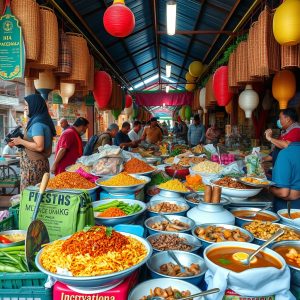
Indonesia’s culinary landscape is a sprawling tapestry of flavors, where every dish carries the weight of history, geography, and the hands that crafted it. Beyond the well-trodden paths of rendang and satay lies a world of lesser-known delicacies, each a testament to the ingenuity of regional kitchens. These are not just meals; they are stories simmered in clay pots, grilled over open flames, or folded into leaves, waiting to be uncovered by those willing to venture off the beaten path.
The Fiery Embrace of Aceh’s Ayam Tangkap
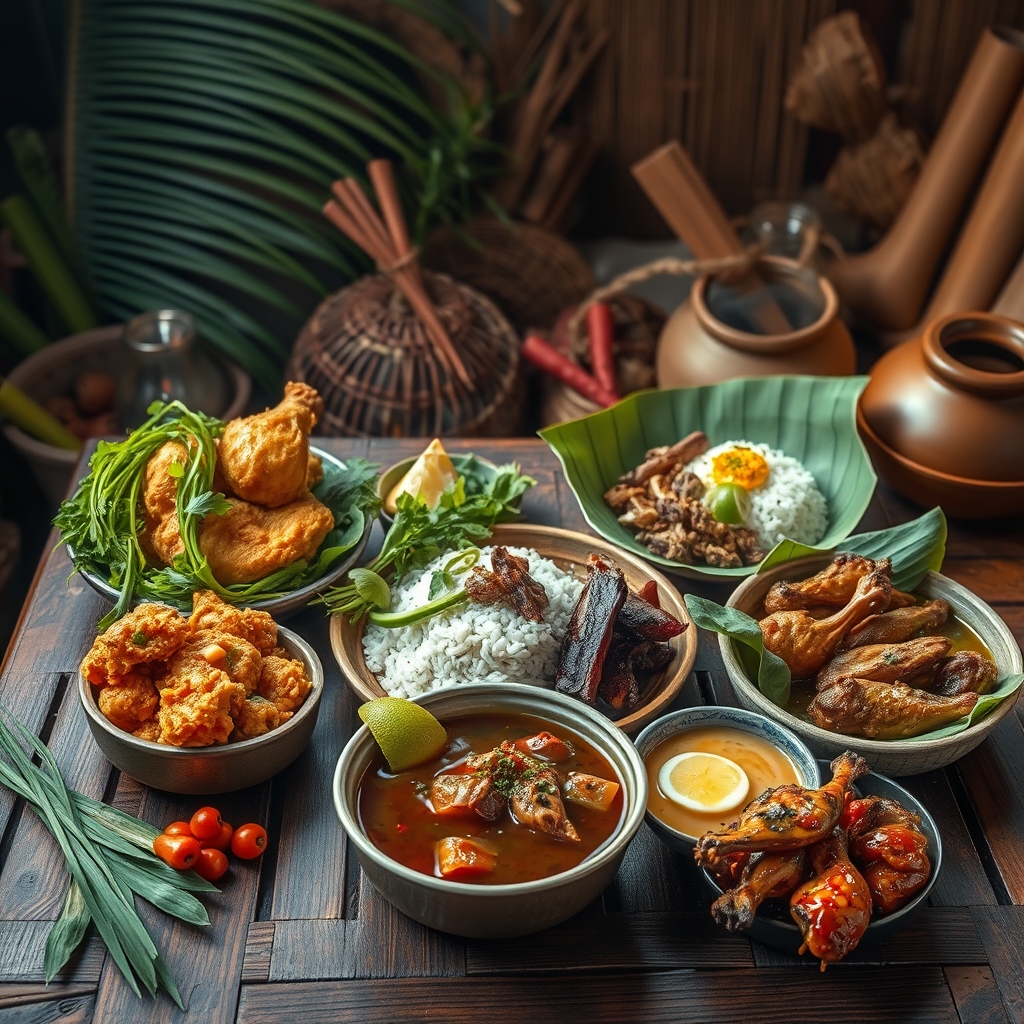
In the northern reaches of Sumatra, where the Indian Ocean crashes against ancient shores, Ayam Tangkap emerges as a dish that captures the essence of Aceh’s bold spirit. Unlike conventional fried chicken, this dish is a symphony of textures and temperatures. The chicken, marinated in a paste of lemongrass, turmeric, and galangal, is deep-fried until its skin crisps into a golden armor. What follows is the pièce de résistance: a cascade of fresh herbs—kaffir lime leaves, basil, and torch ginger flowers—tossed into the hot oil, their aromas blooming in an instant. The result is a dish that is at once crisp, fragrant, and explosively fresh, a celebration of Aceh’s love affair with heat and herb.
The Secret Behind the Crisp
The magic of Ayam Tangkap lies in its dual cooking process. The chicken is first fried to lock in its juices, then briefly reintroduced to the oil with the herbs, creating a contrast of temperatures that elevates the dish from simple fried chicken to something transcendent. It’s a technique that demands precision, a dance between fire and finesse that has been perfected over generations.
The Sweet and Savory Lullaby of Solo’s Nasi Liwet
In the heart of Java, where the air hums with the quiet elegance of courtly traditions, Nasi Liwet stands as a dish that blurs the line between comfort food and culinary art. Unlike its more famous cousin, Nasi Uduk, this dish is cooked in coconut milk and chicken broth, its grains infused with the subtle sweetness of lemongrass and the earthy depth of bay leaves. Served on a bed of banana leaves, it arrives at the table with an entourage of side dishes: tender chicken, tempeh, and a scattering of fried shallots that add a final crunch.
A Dish Steeped in Ritual
Nasi Liwet is more than just a meal; it’s a centerpiece of Javanese hospitality. Traditionally served during gatherings or celebrations, its preparation is a communal affair, with family members gathering around the pot, stirring the rice as it absorbs the fragrant broth. The banana leaves beneath it aren’t just for presentation—they impart a subtle, grassy aroma that lingers long after the last bite.
The Dark Allure of Surabaya’s Rawon Setan
Surabaya’s culinary scene is a study in contrasts, and nowhere is this more evident than in Rawon Setan, a beef soup that trades in shadows and depth. The dish’s inky black hue comes from the use of keluak, a nut native to the mangroves of Sumatra, which lends the broth its rich, earthy flavor. The name—“Setan,” meaning devil—hints at its late-night allure, a dish best enjoyed under the cover of darkness, when the city’s streets are alive with the hum of motorbikes and the scent of charcoal.
The Devil’s in the Details
What sets Rawon Setan apart from other beef soups is its unapologetic intensity. The broth is thick, almost syrupy, with a complexity that comes from hours of simmering. It’s served with a side of sambal and a wedge of lime, the acidity cutting through the richness like a bolt of lightning. For those brave enough to try it, the experience is nothing short of revelatory—a dish that doesn’t just fill the stomach but awakens the senses.
The Coastal Charms of Makassar’s Coto Makassar
On the shores of Sulawesi, where the sea breeze carries the scent of salt and spice, Coto Makassar reigns as a dish that embodies the region’s maritime soul. This hearty soup is a celebration of offal—beef tripe, intestines, and lungs—simmered in a broth thickened with ground peanuts and enriched with coconut milk. The result is a dish that is at once creamy and robust, a testament to Makassar’s resourcefulness in turning humble ingredients into something extraordinary.
A Soup with a Side of History
Coto Makassar’s origins trace back to the Bugis sailors who relied on it as a source of sustenance during long voyages. Today, it’s a staple of Makassar’s street food scene, served with ketupat (compressed rice cakes) and a sprinkle of fried shallots. The first spoonful is a revelation—a harmony of textures and flavors that speaks to the ingenuity of a people who have mastered the art of making do with what the land and sea provide.
The Spicy Serenade of Lombok’s Ayam Taliwang
On the island of Lombok, where the air is thick with the scent of grilled meat and chili, Ayam Taliwang stands as a dish that commands attention. This grilled chicken is marinated in a paste of shallots, garlic, and bird’s eye chilies, then grilled over coconut husks until its skin blisters into a smoky, caramelized crust. The real star, however, is the sambal served alongside it—a fiery concoction of chili, shrimp paste, and lime that turns every bite into a dance of heat and sweetness.
The Art of the Grill
The secret to Ayam Taliwang’s irresistible flavor lies in its preparation. The chicken is first boiled in a spiced broth to tenderize the meat, then grilled over low heat to ensure it cooks evenly without drying out. The result is a dish that is juicy, smoky, and packed with layers of flavor, a true reflection of Lombok’s love for bold, unapologetic heat.
Indonesia’s regional dishes are more than just food; they are a dialogue between the past and present, a conversation carried on the tongues of those who dare to explore beyond the familiar. Each bite is an invitation to step into a story, to taste the land, the sea, and the hands that shaped it. These dishes don’t just feed the body—they nourish the soul, leaving behind a trail of flavors that linger long after the last plate is cleared.