The Unseen Spice Trails: Indonesia’s Most Enigmatic Regional Dishes and the Hidden Hands That Craft Them
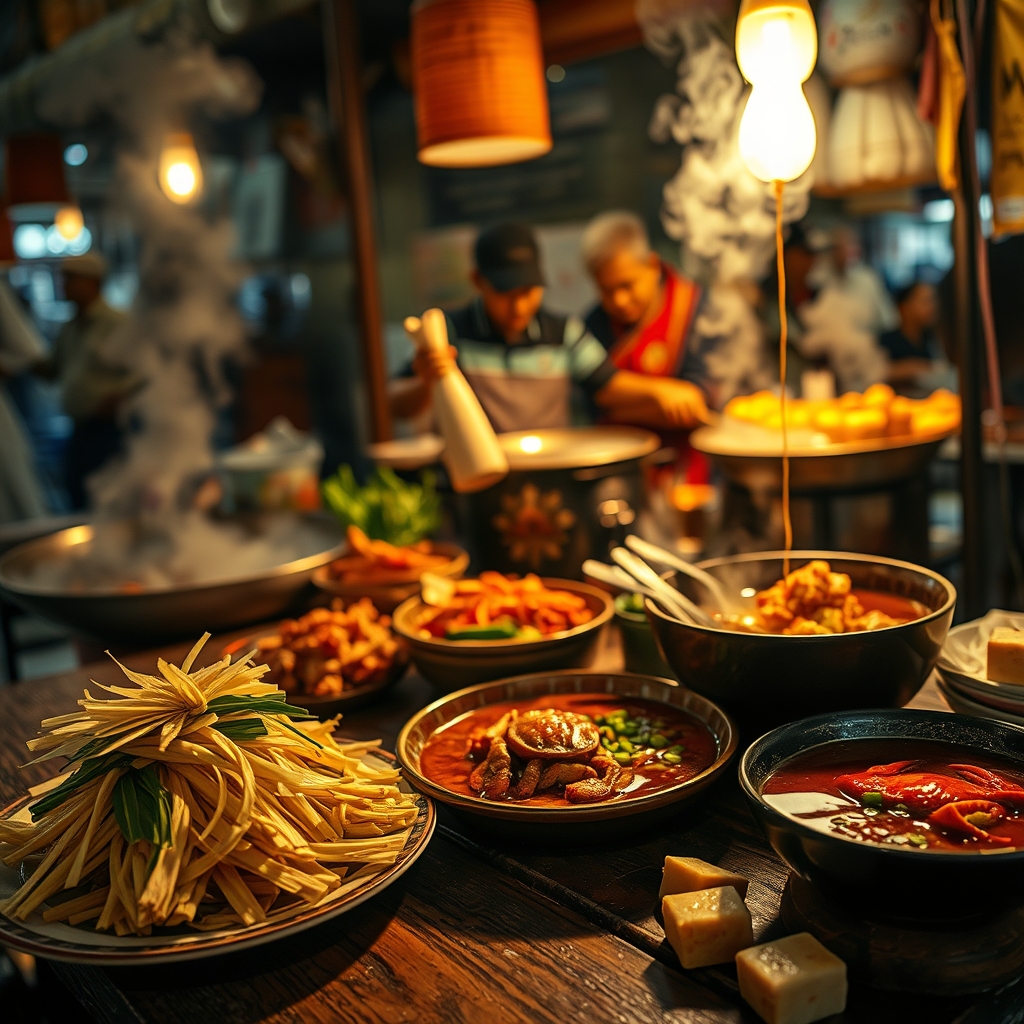
Indonesia’s culinary landscape is a labyrinth of flavors, where each region guards its secrets like treasured heirlooms. Beyond the well-trodden paths of rendang and nasi goreng lies a world of dishes so deeply rooted in local lore that they feel almost mythical. These are not just meals; they are stories served on plates, passed down through generations, and perfected by hands that have learned the alchemy of spice, fire, and time. To taste them is to step into a living museum of Indonesia’s soul, where every bite carries the weight of history, geography, and the relentless passion of those who keep these traditions alive.
The Alchemists of Aceh: Ayam Tangkap and Mie Aceh Kepiting
Aceh, the northernmost tip of Sumatra, is a land where the sea and the mountains conspire to create flavors that are both bold and delicate. Ayam Tangkap, or “captured chicken,” is a dish that defies convention. Unlike the grilled or fried chicken found elsewhere, this dish is a symphony of crispy leaves—lemongrass, pandan, and curry—wrapped around tender pieces of chicken, which are then deep-fried to perfection. The leaves don’t just add aroma; they become part of the dish, their crispness contrasting with the juicy meat. It’s a dish that feels almost magical, as if the chicken has been “captured” by the very essence of Aceh’s forests.
Not far from the bustling streets where Ayam Tangkap sizzles, another Acehnese masterpiece awaits: Mie Aceh Kepiting. This noodle dish is a testament to the region’s love affair with seafood and spice. Thick, chewy noodles are bathed in a rich, reddish-brown broth infused with crab, turmeric, and a blend of spices that dance on the palate. The dish is often served with a side of emping (melinjo crackers) and a wedge of lime, adding layers of texture and tang. It’s a dish that demands to be savored slowly, each slurp revealing another layer of complexity.
The Dark Allure of Surabaya: Rawon Setan and Tahu Tek
Surabaya, Indonesia’s second-largest city, is home to two dishes that embody the city’s unapologetic boldness. Rawon Setan, or “devil’s rawon,” is a beef soup that gets its name from its dark, almost black broth, which is achieved through the use of keluak, a nut native to the region that lends the dish its distinctive color and earthy flavor. The soup is rich, slightly bitter, and deeply aromatic, with a hint of sweetness from the palm sugar that balances the heat of the chili. It’s a dish that doesn’t just warm the body; it awakens the senses, leaving a lingering impression long after the last spoonful.
For those who prefer something lighter but no less flavorful, Tahu Tek offers a delightful contrast. This dish is a celebration of tofu, which is fried to a golden crisp and then smothered in a peanut sauce that’s both sweet and savory. The sauce is made from ground peanuts, palm sugar, tamarind, and a touch of chili, creating a harmony of flavors that’s impossible to resist. Topped with bean sprouts, cucumber, and fried shallots, Tahu Tek is a textural masterpiece, with each bite offering a satisfying crunch followed by the creamy richness of the sauce.
The Mystique of Minangkabau: Nasi Padang Pariaman
No exploration of Indonesia’s regional cuisine would be complete without a nod to Nasi Padang, the iconic dish from West Sumatra. But within this broad category lies a lesser-known gem: Nasi Padang Pariaman. Unlike the more common Nasi Padang found in restaurants across Indonesia, this version hails from the coastal town of Pariaman and is distinguished by its lighter, more aromatic flavors. The rice is often cooked with coconut milk and pandan leaves, giving it a fragrant sweetness that pairs perfectly with the array of dishes served alongside it.
The real star of Nasi Padang Pariaman is the gulai, a curry-like dish made with tender pieces of beef, chicken, or fish, simmered in a spiced coconut milk broth. The gulai here is less heavy than its counterparts, with a brighter, more herbaceous profile thanks to the liberal use of turmeric, lemongrass, and kaffir lime leaves. Served with sambal lado mudo (green chili sambal), the dish is a perfect balance of heat, sweetness, and umami, a testament to the Minangkabau people’s mastery of spice.
The Sweet Secrets of Manado: Klappertaart
From the spice-laden dishes of Sumatra, we journey east to Manado, where the flavors take a sweeter turn. Klappertaart, or coconut cake, is a dessert that feels like a warm embrace. Unlike the dense, heavy cakes found in Western cuisine, this Manadonese specialty is light, airy, and infused with the tropical sweetness of young coconut. The cake is baked until golden and then topped with a layer of toasted coconut flakes, adding a satisfying crunch to every bite. It’s a dessert that’s as comforting as it is elegant, a perfect example of how Indonesian cuisine can turn simple ingredients into something extraordinary.
The Coastal Charms of Makassar: Coto Makassar Asli
Makassar, the gateway to Indonesia’s eastern islands, is home to Coto Makassar, a beef soup that’s as rich in history as it is in flavor. The dish is made with beef and offal, slow-cooked in a broth infused with a blend of spices that includes coriander, cumin, and turmeric. What sets Coto Makassar apart is its use of kecap manis (sweet soy sauce) and bumbu (spice paste), which give the soup a deep, caramelized sweetness that’s balanced by the tang of tamarind and the heat of chili.
The soup is traditionally served with ketupat (rice cakes) and a side of sambal, allowing diners to customize each bite to their liking. It’s a dish that’s often enjoyed in the early hours of the morning, a hearty start to the day that fuels both body and soul. The communal act of sharing a bowl of Coto Makassar is a reminder of the dish’s roots in Makassar’s vibrant street food culture, where food is not just sustenance but a way of life.
These dishes are more than just food; they are the threads that weave together the tapestry of Indonesia’s culinary heritage. Each one tells a story of the land it comes from, the people who created it, and the hands that continue to perfect it. To taste them is to embark on a journey through time and space, where every bite is a step deeper into the heart of Indonesia. And while the world may continue to celebrate the familiar, it’s in these hidden gems that the true magic of Indonesian cuisine lies—waiting to be discovered, one plate at a time.